
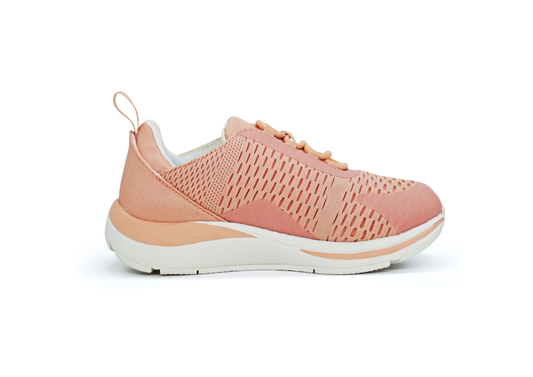
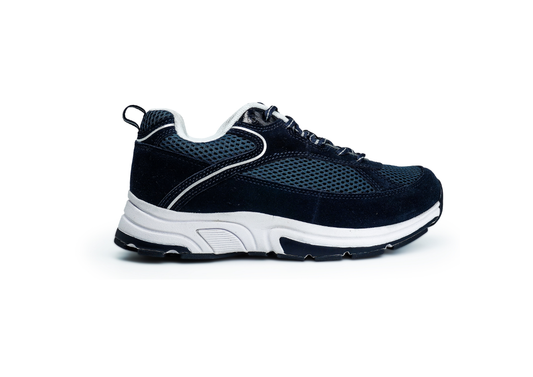

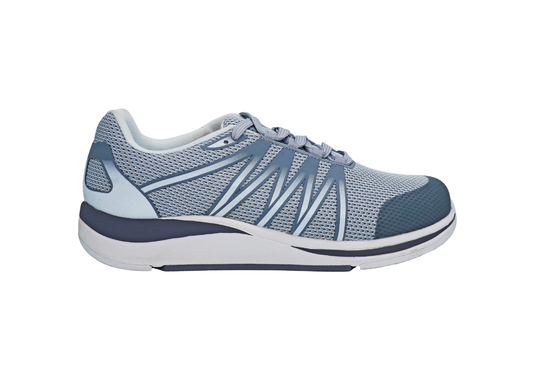

diabetic orthopedic shoes
Diabetic Orthopedic Shoes: Comprehensive Guide to Foot Pain Relief and Ulcer Prevention
By Dr. Subramanyam Balaji, Ortho Shoes Corporation
Diabetic orthopedic shoes are specially designed footwear that provide targeted support and protection for people with diabetes. They help lower the risk of common complications such as foot ulcers and neuropathy. This guide explains why these shoes matter, their key design elements, and how they relieve pain and reduce ulcer risk. Poor circulation and nerve damage make appropriate footwear essential for maintaining mobility and comfort. Below we review design features, benefits, and selection guidance. For targeted options, explore diabetic footwear.
Comprehensive Guide on Diabetic Orthopedic Shoes
Diabetic orthopedic shoes are manufactured to address the specific needs of diabetic feet. They deliver support, cushioning, and protection to help prevent injuries and complications. Core features such as extra depth, cushioned footbeds, and seamless interiors work together to improve comfort and reduce the risk of pressure-related problems.
Role in Foot Pain Relief and Ulcer Prevention
These shoes reduce foot pain and help prevent ulcers by combining support and cushioning with pressure-distributing design. Specialized materials and construction spread load across the sole, lowering peak pressures that cause discomfort and skin breakdown. Proper footwear is a key component of preserving mobility and foot health for people with diabetes.
Key Features
When selecting diabetic orthopedic shoes, look for a set of clinical features proven to protect sensitive feet. Important elements include:
- Seamless Interiors: Reduces friction and irritation on sensitive feet.
- Cushioned Footbeds: Provides shock absorption and comfort during walking.
- Extra Depth and Width: Accommodates foot deformities and allows for custom orthotics.
These design choices combine to create a safer environment for the feet, lowering injury risk and supporting overall foot health.
| Feature | Description | Benefit |
|---|---|---|
| Seamless Interiors | Smooth linings without seams | Reduces friction and irritation |
| Cushioned Footbeds | Soft, shock-absorbing materials | Enhances comfort and support |
| Extra Depth and Width | Additional space for foot deformities | Accommodates custom orthotics |
This table summarises the primary features of diabetic orthopedic shoes and the direct benefits they provide for at-risk feet.
Benefits
Wearing diabetic orthopedic shoes delivers several practical benefits that support foot health and daily function. These include pressure relief, improved comfort, and enhanced protection against skin breakdown.
- Preventing Ulcers and Blisters: The cushioning and support provided by these shoes help to reduce pressure points, minimizing the risk of skin breakdown.
- Improving Circulation: Properly fitted shoes can enhance blood flow to the feet, which is crucial for individuals with diabetes.
- Enhancing Stability: The design of diabetic orthopedic shoes promotes better balance and stability, reducing the risk of falls.
Combined, these benefits make diabetic orthopedic shoes an important part of routine foot care for people with diabetes.
Recommendations for Selecting the Best Orthopedic Footwear
When choosing orthopedic footwear for diabetes, prioritise fit, protective features, and professional guidance. These factors determine how well the shoe reduces risk and supports daily activity.
- Consult a Professional: Seek advice from a podiatrist or healthcare provider to determine the best shoe type for your specific needs.
- Consider Individual Needs: Take into account any foot deformities, neuropathy, or other conditions that may affect your footwear choice.
- Prioritize Comfort and Fit: Ensure that the shoes fit well and provide adequate support without causing discomfort.
For a selection of quality options, Ortho Shoes offers diabetic orthopedic footwear designed to address common clinical needs.
Who Needs Diabetic Shoes?
Diabetic shoes are appropriate for people who have foot conditions that increase the risk of injury or ulceration. They are not universal, but they are essential for those with specific risk factors.
- Individuals with neuropathy, which can lead to loss of sensation in the feet.
- Patients with poor circulation, increasing the risk of foot injuries.
- Individuals with a history of foot ulcers or other complications.
Diabetic footwear provides the protection and support recommended for people identified as at risk of foot complications.
What Are Diabetic Orthopedic Shoes and How Do They Support Foot Health?
Diabetic orthopedic shoes are specialised footwear built to meet the needs of diabetic feet. Their design elements reduce pressure, protect vulnerable skin, and improve overall comfort. Primary benefits include ulcer prevention, better circulation management through fit, and increased stability.
Diabetic Orthopedic Shoes: A Comprehensive Overview
These shoes are engineered to accommodate common diabetic foot problems. They combine protective construction and clinical features to reduce the likelihood of complications and support daily mobility.
Design Features
Key design features of diabetic orthopedic shoes include:
- Extra Depth and Width: Allows for custom orthotics and accommodates foot deformities.
- Seamless Interior: Reduces friction and irritation on sensitive skin.
- Cushioned Insoles: Provides comfort and shock absorption.
These elements work together to create a controlled, protective environment for the foot.
Benefits for Foot Health
Diabetic orthopedic shoes offer several health benefits, including:
- Preventing Ulcers: The design helps distribute pressure evenly, reducing the risk of skin breakdown.
- Improving Circulation: Properly fitted shoes enhance blood flow to the feet.
- Reducing Pressure Points: Cushioned footbeds help alleviate discomfort.
These benefits are important for reducing complications and preserving foot function in people with diabetes.
Recommendations for Use
To get the full protective effect from diabetic orthopedic shoes, follow clinical guidance on fitting and wear. Regular, consistent use and professional fitting improve outcomes.
- Consult a Professional: Always seek advice from a healthcare provider before selecting footwear.
- Daily Wear: Make it a habit to wear diabetic shoes daily to ensure consistent protection.
- Choose the Right Fit: Ensure that the shoes fit well and provide adequate support.
Understanding Diabetic Foot Complications and Their Impact
Diabetic foot complications—such as neuropathy, poor circulation, and ulcers—can lead to serious consequences if not managed. Recognising these conditions and using protective footwear are essential steps in preventing progression and preserving mobility.
Key Features of Orthopedic Shoes Designed for Diabetes
Orthopedic shoes for diabetes include specific design features that address common clinical needs. These elements aim to reduce friction, redistribute pressure, and allow for orthotic devices.
- Extra Depth and Width: Accommodates foot deformities and custom orthotics.
- Seamless Interiors: Reduces friction and irritation.
- Cushioned Footbeds: Provides comfort and shock absorption.
These components are central to protecting vulnerable skin and maintaining comfort during daily activities.
How Do Diabetic Orthopedic Shoes Alleviate Foot Pain and Neuropathy?
Diabetic orthopedic shoes reduce pain and mitigate neuropathy-related issues through structured support, cushioning, and pressure redistribution. They are designed to lower stress on sensitive tissues and provide a stable platform for walking.
Design Features
Design elements such as seamless interiors and cushioned footbeds play a major role in reducing irritation and protecting delicate skin. These features create a more comfortable and lower-risk environment for the foot.
Materials Used
Materials such as breathable fabrics and durable, shock-absorbing foams are selected to balance protection and comfort. Quality construction helps maintain support throughout daily wear.
Overall Impact on Diabetic Foot Health
When used correctly, diabetic orthopedic shoes can reduce complication rates, improve comfort, and support continued mobility—contributing to a better quality of life for people with diabetes.
Pressure Relief Technology and Ergonomic Design Benefits
Pressure-relief technology and ergonomic design are core to diabetic footwear. By evening out pressure across the sole, these features reduce focal stress points that can cause ulcers and pain.
Supportive Footwear Solutions for Diabetic Neuropathy
Supportive footwear for diabetic neuropathy focuses on protection and stability. The right shoes lower the risk of unnoticed injuries and provide the cushioning and fit necessary for long-term foot care.
Which Are the Best Orthopedic Footwear Options for Diabetes in India?
When searching for the best orthopedic footwear options in India, assess comfort, protective features, and availability of professional fitting services.
Top-Rated Comfortable Diabetic Shoes Available in India
Top-rated diabetic shoes in India prioritise comfort and clinical features like cushioned footbeds and seamless interiors. Men can explore men's orthopedic shoes, and women can view options in women's orthopedic shoes.
User Reviews and Testimonials on Diabetic Orthopedic Shoes
User reviews and testimonials offer practical insight into how diabetic footwear performs in daily life. Many users report measurable improvements in comfort and reduced foot issues after switching to specialised shoes.
How Can Diabetic Shoes Prevent Foot Ulcers and Promote Mobility?
Diabetic shoes prevent ulcers and support mobility by reducing high-pressure areas, cushioning vulnerable tissue, and providing a stable base for walking. These functions help you stay active while lowering the risk of skin breakdown.
Design Features
Design features like cushioned footbeds and seamless interiors reduce friction and pressure points—key factors in ulcer prevention and pain relief.
Materials Used
Breathable fabrics and durable, shock-absorbing materials are used to enhance comfort and protect the foot during everyday activities.
Benefits
Beyond ulcer prevention, diabetic shoes support overall foot health and enable safer mobility, helping people remain active with less discomfort.
Ulcer Prevention Through Pressure Distribution and Cushioning
Even pressure distribution and targeted cushioning reduce focal stress on the skin. This lowers the chance of breakdown and subsequent ulcer formation.
Guidelines for Selecting Shoes to Reduce Ulcer Risks
When selecting shoes to reduce ulcer risk, prioritise seamless interiors, extra depth and width, and cushioned footbeds to minimise friction and redistribute pressure.
What Should You Consider When Buying Diabetic Orthopedic Shoes?
When buying diabetic orthopedic shoes, focus on clinical features, accurate fit, and materials that protect sensitive skin. Proper selection reduces risk and improves day-to-day comfort.
Essential Features: Arch Support, Material, and Fit
Key features to look for include:
- Arch Support: Provides stability and comfort.
- Breathable Materials: Ensures comfort during wear.
- Proper Fit: Prevents discomfort and injury.
Insurance Coverage and Pricing for Diabetic Footwear
Understanding insurance coverage and pricing for diabetic footwear helps you plan and access appropriate shoes. Many plans cover diabetic shoes, which improves affordability for patients.
Where Can You Find Reliable Diabetic Orthopedic Shoes and Support?
Reliable diabetic footwear and professional support are available through specialised retailers, podiatry clinics, and certified suppliers. Look for vendors with clear product specifications and fitting services.
Ortho Shoes’ Diabetic Footwear Collection and Expertise
Ortho Shoes provides a focused collection of diabetic footwear designed to meet clinical needs. Their product range targets common issues and includes options for conditions such as heel pain and arthritis, including heel pain shoes and arthritis footwear.
Additional Foot Care Tips and Resources for Diabetic Patients
Alongside choosing the right footwear, perform regular foot inspections, maintain hygiene, and consult healthcare providers for ongoing foot care and early intervention.
Frequently Asked Questions
1. How often should I wear diabetic orthopedic shoes?
You should wear diabetic orthopedic shoes daily to ensure continuous protection and support. Regular use helps prevent ulcers, blisters, and pressure-related problems—especially if you have neuropathy or poor circulation. Check with your healthcare provider for personalised advice.
2. Can diabetic orthopedic shoes be customized?
Yes. Many diabetic shoes can be adapted with custom orthotics or adjusted for arch support, depth, and width. Customisation improves fit and comfort for specific foot shapes and deformities. A podiatrist can recommend the best options for your needs.
3. What materials are best for diabetic orthopedic shoes?
Choose shoes made from breathable, lightweight fabrics and soft, shock-absorbing footbed materials. Durable outer materials and seamless interiors reduce friction and protect sensitive skin—both important for daily comfort and safety.
4. Are there specific brands known for diabetic orthopedic shoes?
Yes. Several brands specialise in diabetic footwear and incorporate features like cushioned footbeds, seamless interiors, and extra depth. When choosing a brand, consider product features, user feedback, and recommendations from healthcare professionals.
5. How can I ensure a proper fit for diabetic shoes?
Measure your feet accurately and try shoes at the end of the day when feet are slightly swollen. Ensure adequate toe-box room and that no part of the shoe pinches. If orthotics are recommended, fit the shoes with them in place and walk to assess comfort before purchasing.
6. What are the signs that my diabetic shoes need to be replaced?
Replace diabetic shoes if you notice worn soles, reduced cushioning, structural deformities, or new pain and pressure points. Inspect your footwear regularly and follow guidance from your healthcare provider on replacement intervals.
7. Can I wear diabetic orthopedic shoes for sports or exercise?
Yes. There are diabetic-friendly athletic shoes designed for exercise that offer breathability, shock absorption, and a secure fit. Consult your healthcare provider to confirm that a specific athletic shoe meets your activity and foot health requirements.
