
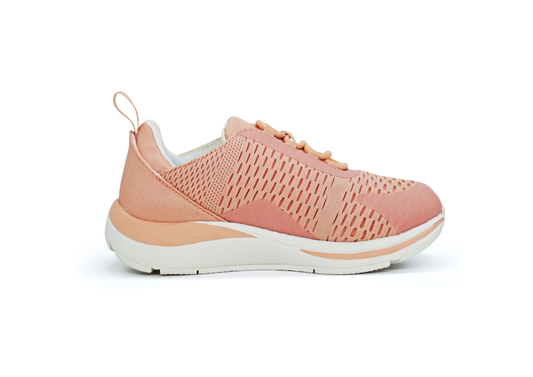
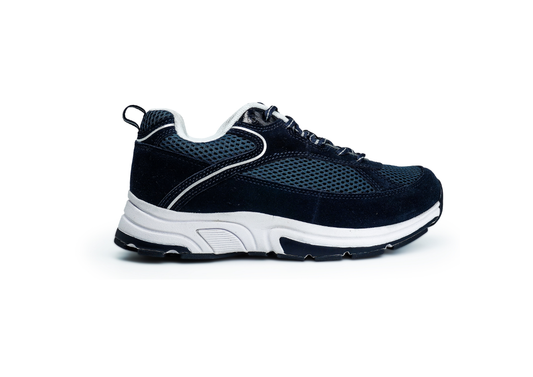

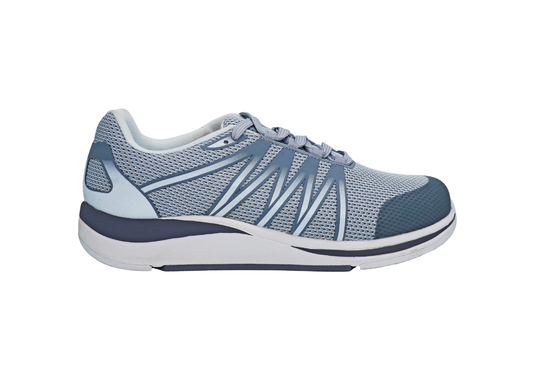

orthopedic trainers
Orthopedic Trainers: Comprehensive Guide to Benefits, Conditions, and Buying Options
By Dr. Subramanyam Balaji, Ortho Shoes Corporation
Orthopedic trainers are purpose-built shoes that support foot health and reduce discomfort from common foot problems. They combine targeted support, cushioning, and durable construction to ease pain and improve mobility. This guide explains their benefits, which conditions they address, and practical buying options so you can choose the right pair for daily use.
Comprehensive Guide on Orthopedic Trainers
These trainers prioritise structural support and comfort. Typical features include reinforced arch support, shock-absorbing midsoles, and breathable, long-wearing materials. They aim to stabilise the foot for daily activities and reduce strain during prolonged standing or exercise. Knowing how these features work helps you select the correct model for your needs.
Benefits of Orthopedic Trainers:
Orthopedic trainers deliver measurable benefits that improve function and reduce pain. The key advantages below explain how design elements translate into better foot health.
- Pain Relief: Orthopedic trainers are designed to alleviate pain associated with various foot conditions, such as plantar fasciitis and heel spurs. The cushioning and support provided by these shoes help reduce pressure on sensitive areas of the foot.
- Improved Stability: The design of orthopedic trainers enhances stability, which is essential for individuals with balance issues or those recovering from injuries. This stability can help prevent falls and further injuries.
- Enhanced Comfort: With features like cushioned insoles and breathable materials, orthopedic trainers provide superior comfort for all-day wear. This is particularly important for individuals who experience discomfort from traditional footwear.
For those seeking high-quality orthopedic trainers, Ortho Shoes offers a range of options tailored to various foot conditions. Their products are designed with the latest technology to ensure maximum comfort and support.
Common Foot Conditions Addressed:
Orthopedic trainers are effective for several conditions that benefit from support and cushioning. They reduce stress on soft tissues, improve alignment, and help protect vulnerable skin in at-risk populations.
- Plantar Fasciitis: A common cause of heel pain, plantar fasciitis occurs when the plantar fascia ligament becomes inflamed. Orthopedic trainers provide the necessary arch support to alleviate this condition.
- Flat Feet: Individuals with flat feet often experience discomfort due to a lack of arch support. Orthopedic trainers are designed to provide the support needed to improve foot alignment and reduce pain.
- Diabetic Foot Care: People with diabetes are at risk for foot complications. Orthopedic trainers can help prevent issues by providing cushioning and support, reducing the risk of ulcers and other foot problems.
Clinical research supports the role of therapeutic footwear in reducing diabetes-related foot complications and in protecting at-risk tissue.
Therapeutic Footwear for Diabetic Ulcer Prevention
Therapeutic footwear plays an important role in preventing ulceration in people with diabetes. Despite guidelines recommending offloading footwear for individuals at risk of ulceration, limited data are available on the alignment between current industrial practices, clinical expectations, and evidence. This study explored current practices, priorities and challenges associated with diabetic footwear from manufacturers’ and clinicians’ perspectives across Europe.
Current strategies and priorities for diabetic footwear design and production: a cross-European exploratory survey of clinicians and shoemakers, H Sarlak, 2026
Buying Options:
There are several sensible routes to buy orthopedic trainers. Each option has trade-offs in fitting accuracy, selection, and aftercare. Consider professional fitting, specialist retailers, and trusted brands when choosing where to buy.
- Professional Fitting: It is advisable to seek a professional fitting to ensure the right size and support level. This can help prevent discomfort and ensure optimal performance.
- Retail Options: Many retailers offer orthopedic trainers, both in-store and online. It's essential to choose a reputable retailer that specializes in orthopedic footwear.
- Brand Suggestions: Look for brands known for their quality orthopedic trainers, such as Ortho Shoes, which provides a variety of styles and sizes to cater to different needs.
What Are Orthopedic Trainers and How Do They Support Foot Health?
Orthopedic trainers are engineered to redistribute pressure and support key structures of the foot. By supporting the arch and cushioning the heel, they help even weight distribution and reduce focal loading that causes pain. This support also contributes to improved posture and gait mechanics.
Definition:
Orthopedic trainers are footwear specifically designed to provide support and comfort for individuals with foot conditions. They are engineered to address issues such as pain, instability, and discomfort, making them an essential choice for those in need of specialized footwear.
Design Features:
Key design features of orthopedic trainers include:
- Arch Support: Essential for individuals with flat feet or plantar fasciitis, arch support helps maintain proper foot alignment.
- Cushioned Soles: These provide shock absorption, reducing the impact on the feet during daily activities.
- Durable Materials: High-quality materials ensure longevity and support, making orthopedic trainers a worthwhile investment.
Benefits for Various Foot Conditions:
Orthopedic trainers offer specific benefits for different foot conditions, including:
- Chronic Foot Pain Relief: The supportive design helps alleviate pain associated with conditions like plantar fasciitis and heel spurs.
- Support for Deformities: Individuals with foot deformities benefit from the customized support that orthopedic trainers provide.
- Recovery from Injuries: These shoes can aid in the recovery process by providing the necessary support and comfort during rehabilitation.
Recommendations for Use:
To get the best outcomes, follow clear clinical guidance. Have a podiatrist assess your foot and recommend a shoe type. Wear the trainers consistently and re-evaluate fit and comfort over time. Trying models in person helps confirm fit before purchase.
Key Features: Arch Support, Cushioning, and Material Benefits
When selecting orthopedic trainers, it is essential to consider the following key features:
- Arch Support: Proper arch support is vital for individuals with flat feet or other foot conditions. It helps maintain alignment and reduces pain.
- Cushioning: Look for trainers with adequate cushioning to absorb shock and provide comfort during daily activities.
- Material Quality: High-quality materials ensure durability and support, making them a worthwhile investment for long-term use.
Which Foot Conditions Do Orthopedic Trainers Effectively Treat?
Orthopedic trainers are effective in treating a range of foot conditions, including:
- Chronic Foot Pain: These shoes provide the necessary support to alleviate pain and discomfort.
- Foot Deformities: Individuals with conditions such as bunions or hammertoes benefit from the customized support offered by orthopedic trainers.
- Systemic Conditions: Conditions like diabetes can lead to foot complications, and orthopedic trainers help mitigate these risks.
How Do Orthopedic Trainers Alleviate Plantar Fasciitis Pain?
Orthopedic trainers reduce plantar fasciitis pain by addressing load, shock, and alignment. They offload tension from the plantar fascia, absorb impact at heel strike, and stabilise the rearfoot to limit excessive strain during gait.
- Arch Support Mechanisms: By providing targeted support to the arch, these trainers help reduce strain on the plantar fascia ligament.
- Cushioning Effects: The cushioning in orthopedic trainers absorbs shock, minimizing the impact on the heel and arch during movement.
- Stability Features: Enhanced stability helps maintain proper foot alignment, further reducing pain associated with plantar fasciitis.
For relief specifically targeted at heel pain, explore heel pain shoes designed with advanced cushioning and support.
Benefits for Flat Feet, Heel Pain, Arthritis, and Diabetic Foot Care
Orthopedic trainers address alignment, shock absorption, and pressure redistribution. These functions reduce pain from flat feet and heel conditions, and they support joint comfort for arthritis. For people with diabetes, protective cushioning reduces focal pressure points that can lead to skin breakdown.
- Support for Flat Feet: The arch support provided by orthopedic trainers helps improve foot alignment and reduce discomfort.
- Pain Relief for Heel Pain: The cushioning and support help alleviate heel pain, making daily activities more manageable.
- Diabetic Foot Care: These trainers provide the necessary support and comfort to prevent complications associated with diabetes.
Individuals managing arthritis can find significant relief and improved mobility with specialized orthopedic footwear.
What Are the Proven Benefits of Wearing Orthopedic Trainers?
Evidence and clinical practice show consistent benefits: reduced pain, improved comfort during activity, and better functional mobility for many patients. Regular use as part of a care plan can support rehabilitation and daily function.
Scientific Evidence and Doctor Recommendations Supporting Orthopedic Footwear
Clinical studies and practitioner guidance support the therapeutic use of orthopedic footwear. Many clinicians recommend supportive trainers to reduce pain and improve walking mechanics in patients with common foot disorders.
Furthermore, studies emphasize the critical role of footwear and orthoses in preventing bone stress injuries, underscoring their therapeutic value.
Footwear and Orthoses for Bone Stress Injury Prevention
ABSTRACT: ObjectiveTo evaluate the effectiveness of footwear, foot orthoses and training-related strategies to prevent lower extremity bone stress injury (BSI). DesignSystematic review and meta-analysis. Data sources Four bibliographic databases (from inception until November 2021): Cochrane Central Register of Controlled Trials, MEDLINE, EMBASE and CINAHL. Eligibility criteria Randomised controlled trials (RCTs) that assessed the risk of developing a BSI when using particular footwear, foot orthoses or training-related strategies such as muscle strengthening, stretching, and mechanical loading exercises.
The role of footwear, foot orthosis, and training-related strategies in the prevention of bone stress injuries: a systematic review and meta-analysis, D Chicoine, 2023
User Testimonials and Real-World Pain Relief Experiences
User reports commonly describe meaningful pain reduction and improved daily function after switching to supportive trainers. These real-world accounts complement clinical findings and help illustrate practical benefits for everyday life.
How to Choose the Best Orthopedic Trainers for Your Specific Needs?
Selecting the right trainer requires matching shoe features to your condition and activity. Start with a professional assessment, prioritise arch support and cushioning for your specific issue, and try multiple models to confirm comfort and fit.
- Key Features to Look For: Look for trainers with adequate arch support, cushioning, and durable materials.
- Conditions Addressed: Ensure the trainers are designed to address your specific foot condition.
- Practical Steps for Selection: Consult with professionals and try on different styles to find the best fit.
Key Features to Look For:
When selecting orthopedic trainers, consider the following features:
- Arch Support Importance: Proper arch support is crucial for individuals with flat feet or other foot conditions.
- Cushioning Benefits: Adequate cushioning helps absorb shock and provides comfort during daily activities.
- Material Quality: High-quality materials ensure durability and support, making orthopedic trainers a worthwhile investment.
Conditions Addressed:
Orthopedic trainers can help with various conditions, including:
- Plantar Fasciitis: The supportive design helps alleviate pain associated with this condition.
- Diabetes: These trainers provide the necessary support to prevent complications related to diabetes.
- Arthritis: The cushioning and support help reduce discomfort for individuals with arthritis.
Recommended Features:
When choosing orthopedic trainers, look for features such as:
- Professional Fitting: A proper fitting ensures the right size and support level.
- Custom Orthotics Compatibility: Trainers that accommodate custom orthotics can provide additional support.
- Adjustable Closures: Features like adjustable closures can enhance comfort and fit.
Practical Steps for Selection:
To select the right orthopedic trainers, follow these practical steps:
- Assess Foot Type: Understanding your foot type can help you choose the right trainers.
- Try Before You Buy: Always try on shoes to ensure a proper fit and comfort.
- Check Return Policies: Ensure the retailer has a good return policy in case the trainers do not meet your needs.
Selecting Shoes Based on Foot Condition and Gender
Consider your diagnosis, activity level, and anatomical differences when choosing shoes. Gender-specific shapes and last profiles can improve fit. Discuss options with a clinician to match design to your biomechanics.
Understanding Shoe Features: Arch Support, Cushioning, and Material Quality
Arch support maintains alignment. Cushioning reduces impact. Durable materials preserve function over time. Evaluate each feature against your clinical needs and daily activities to ensure the shoe will perform as required.
Where and How Can You Buy Orthopedic Trainers Online in India?
Online purchasing offers broad selection and convenience. Use specialist sites and reputable retailers, check sizing guidance, and confirm return policies to manage fit risk when you cannot try shoes in person.
- Recommended Websites: Look for reputable websites that specialize in orthopedic footwear, such as Ortho Shoes and Diabetic Shoe India.
- Pricing Options: Prices for orthopedic trainers can vary, so it's essential to compare options to find the best fit for your budget.
- Delivery Considerations: Check the delivery options available, including standard and express shipping, to ensure timely receipt of your order.
Recommended Websites
When looking to buy orthopedic trainers online, consider these trusted websites:
- Ortho Shoes: Offers a wide range of orthopedic footwear designed for various foot conditions.
- Diabetic Shoe India: Specializes in footwear for individuals with diabetes, providing options that prioritize comfort and support.
- Amazon India: A popular platform with a variety of orthopedic trainers from different brands.
Research on data-driven custom footwear concepts further supports the efficacy of specialized shoes in providing plantar pressure relief, particularly for diabetic patients at high risk of ulceration.
Custom Footwear for Plantar Pressure Relief in Diabetic Patients
ABSTRACT: AimsTo assess the effect of data-driven custom-made footwear concepts on plantar pressure relief to prevent diabetic foot ulceration. MethodsTwenty-four neuropathic diabetic patients at high risk of foot ulceration were measured for in-shoe plantar pressures during walking in four data-driven custom-made footwear conditions, an athletic shoe and an off-the-shelf non-therapeutic shoe.
Optimizing footwear for the diabetic foot: Data-driven custom-made footwear concepts and their effect on pressure relief to prevent diabetic foot ulceration, 2020
Pricing
Prices vary with brand, materials, and technology. Compare models against the features you need. Prioritise fit and therapeutic function over lowest price for long-term benefit.
Delivery Options
Check shipping speeds, return windows, and exchange policies. Clear return terms are essential when buying online so you can exchange sizes or models if the fit or comfort is not adequate.
Trusted Online Retailers and Product Collections for Orthopedic Trainers
Choose retailers that specialise in therapeutic footwear and offer clear product specifications and customer support. Specialist sellers are more likely to provide accurate sizing guidance and aftercare advice.
For men seeking specialized footwear, explore the extensive men's orthopedic shoes collection at Ortho Shoes.
Tips for Evaluating Product Specifications and Customer Reviews
Use reviews to check comfort and durability reports from real users. Cross-reference specifications—arch height, midsole density, and upper material—with your clinical needs. Combine review insight with spec data to make an informed purchase.
What Are the Best Orthopedic Trainers for Heel Pain and Related Conditions?
Targeted heel pain shoes focus on enhanced heel cushioning, firm rearfoot support, and appropriate arch geometry. Match those features to your symptoms and clinical recommendations to identify the best models.
Top Shoe Models Designed Specifically for Heel Pain Relief
Several shoe models are designed specifically for heel pain relief. These models typically feature enhanced cushioning and support to address the unique needs of individuals suffering from heel pain. Researching and comparing different models can help you find the best option for your needs.
Comparing Features of Heel Pain Shoes and Other Orthopedic Footwear
When comparing heel pain shoes to other orthopedic footwear, consider the specific features that cater to heel pain relief. Look for differences in cushioning, arch support, and overall design to determine which option best suits your needs. Understanding these distinctions can help you make an informed choice when selecting orthopedic trainers.
Women can find a dedicated range of options within the women's orthopedic shoes collection, ensuring comfort and support tailored to their needs.
For individuals managing diabetes, specialized diabetic footwear is crucial for preventing complications and ensuring proper foot health.
Frequently Asked Questions
1. How do I know if I need orthopedic trainers?
If you have persistent foot pain, difficulty walking, or a diagnosis such as plantar fasciitis or flat feet, orthopedic trainers may help. Ask a podiatrist for an assessment. They can match shoe features to your foot structure and symptoms.
2. Can orthopedic trainers be worn for sports or physical activities?
Yes. Many models are designed for activity. Choose trainers specifically made for sports to get extra grip, cushioning, and stability. Confirm suitability with a clinician for your activity and condition.
3. Are orthopedic trainers suitable for children?
They can be, especially for developmental issues or structural concerns. Ensure a pediatric podiatrist evaluates the child and prescribes appropriate support and sizing to promote healthy foot development.
4. How should I care for my orthopedic trainers?
Follow manufacturer cleaning instructions and avoid extreme heat or moisture. Rotate pairs to extend lifespan and inspect shoes regularly for wear. Replace them when support or cushioning declines.
5. Can I use custom orthotics with orthopedic trainers?
Yes. Many trainers accept custom orthotics. Confirm the shoe has removable insoles or enough internal volume so orthotics fit without compromising overall support and comfort.
6. What is the average lifespan of orthopedic trainers?
Lifespan depends on use and materials. Typical ranges are six months to two years. Monitor cushioning and structural integrity; replace shoes when they no longer provide consistent support.
7. Are there specific brands known for high-quality orthopedic trainers?
Yes. Brands such as Ortho Shoes, New Balance, and Brooks are commonly recommended for supportive, well-designed trainers. Focus on individual model fit and clinical suitability rather than brand alone.
