
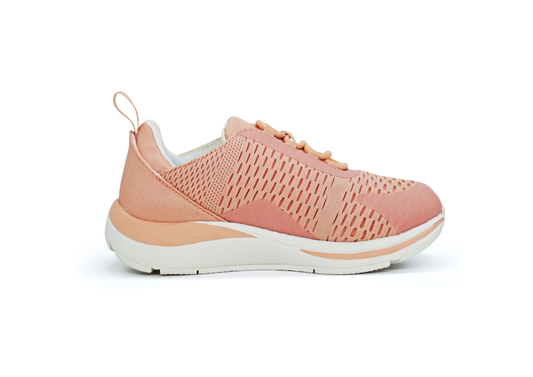
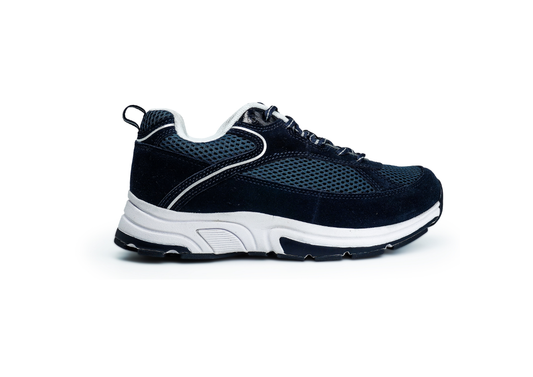

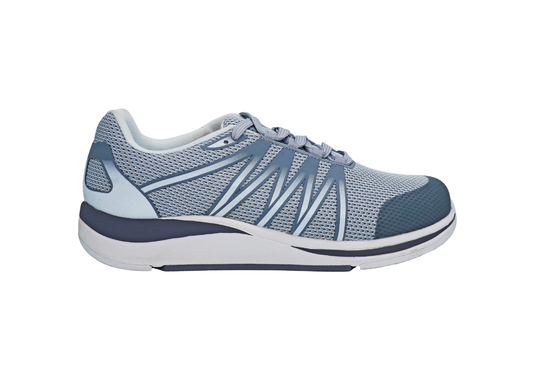

womens shoes for foot pain
Womens Shoes for Foot Pain: Expert Guide to Orthopedic Footwear Solutions
By Dr. Subramanyam Balaji, Ortho Shoes Corporation
The right footwear is essential for women with foot pain. Proper shoes can reduce discomfort and support long-term foot health. This guide explains the types of orthopedic shoes, the key features that improve comfort, and targeted recommendations for common conditions. With clear information you can choose shoes that relieve pain and protect your feet.
Types of Orthopedic Shoes
Orthopedic shoes are available in several styles, each engineered to address specific problems while delivering support and comfort. The main categories include:
- Walking Shoes: Designed for daily wear, these shoes offer cushioning and arch support, making them ideal for those who spend long hours on their feet.
- Athletic Shoes: These shoes provide stability and shock absorption, suitable for active women who engage in sports or exercise.
- Sandals: Orthopedic sandals are designed with arch support and cushioned soles, perfect for warm weather while still offering foot protection.
- Dress Shoes: Stylish yet functional, these shoes combine orthopedic features with fashionable designs, allowing women to look good while staying comfortable.
- Slippers: Indoor orthopedic slippers provide comfort and support for the feet while at home, helping to alleviate pain during relaxation.
Knowing these categories helps you pick a pair that matches your specific needs and daily activities.
Essential Features for Comfort
When choosing orthopedic shoes, prioritise features that deliver reliable support and sustained comfort. Key features to look for include:
- Arch Support: Proper arch support helps distribute weight evenly across the foot, reducing strain and discomfort.
- Cushioned Soles: Shoes with cushioned soles absorb shock and provide comfort, making them ideal for prolonged wear.
- Wide Toe Boxes: A wide toe box allows for natural toe splay, reducing pressure on the toes and preventing discomfort.
- Stable Outsoles: Shoes with stable outsoles provide better traction and support, essential for maintaining balance and preventing falls.
- Breathable Materials: Shoes made from breathable materials help keep feet cool and dry, reducing the risk of blisters and discomfort.
These features reduce pain, improve function, and support overall foot health when selected to match your condition and activity level.
Recommendations for Specific Foot Conditions
Selecting the appropriate orthopedic shoe can materially reduce symptoms for specific conditions. Below are common pairings of condition, shoe type, and the most important features:
| Condition | Recommended Shoe Type | Key Features |
|---|---|---|
| Plantar Fasciitis | Walking Shoes | Arch support, cushioned soles |
| Flat Feet | Supportive Sneakers | Stability, wide toe box |
| Bunions | Bunion-Friendly Sandals | Adjustable straps, wide fit |
| Heel Pain | Athletic Shoes | Shock absorption, cushioned insoles |
| Arthritis | Dress Shoes | Soft materials, easy entry |
For those seeking effective solutions, Ortho Shoes offers a range of orthopedic footwear designed to alleviate foot pain and support various foot conditions.
Frequently Asked Questions
What should I consider when buying orthopedic shoes online?
Check sizing, return policies, and customer reviews before you buy. Measure your feet and use the brand's sizing chart since sizes can vary between manufacturers. Prefer retailers that offer free returns or exchanges so you can try shoes at home. Read reviews for real-world feedback on comfort and fit.
How can I maintain my orthopedic shoes for longevity?
Follow the manufacturer's cleaning instructions and avoid exposure to extreme heat or moisture. Rotate between pairs to reduce wear on a single shoe, and store shoes in a cool, dry place. Replace insoles periodically to preserve support and cushioning. Regular care keeps your shoes performing as intended.
Are there specific brands known for quality orthopedic footwear?
Yes. Brands such as Ortho Shoes, New Balance, and Brooks are known for comfort and support. Other reputable names include Vionic, Dansko, and Skechers. When comparing brands, review their reputation, customer feedback, and whether their features address your specific foot issues.
Can I wear orthopedic shoes for special occasions?
Yes. Many manufacturers now offer dress shoes and sandals that combine orthopedic features—like arch support and cushioned soles—with refined design. Choose styles that match the event while preserving the support you need to stay comfortable all day.
How often should I replace my orthopedic shoes?
Replace orthopedic shoes every six to twelve months depending on use and wear patterns. Look for signs such as flattened soles, reduced cushioning, or new discomfort. Timely replacement prevents increased pain and preserves foot support.
What are the benefits of custom orthopedic shoes?
Custom orthopedic shoes are made to the exact shape of your feet, providing optimal support and alignment. They can reduce pain, improve posture, and lower the risk of complications. Custom pairs also accommodate orthotic inserts. Consult a podiatrist to determine if custom footwear is appropriate for you.
Are orthopedic shoes suitable for all ages?
Yes. Orthopedic footwear benefits people from childhood through older age. Children with specific conditions and seniors with mobility concerns can both gain from supportive designs. Choose age-appropriate styles that address the individual's needs and activity level.
The right orthopedic footwear can reduce pain and improve daily comfort for women. Learn the shoe types and features that match your condition, and make choices based on function as well as fit. Consulting a healthcare professional will provide tailored advice for the best results.
What Are the Common Causes of Foot Pain in Women?
Foot pain in women commonly arises from several causes, including:
- Plantar Fasciitis: Inflammation of the plantar fascia, leading to heel pain.
- Arthritis: Joint inflammation causing pain and stiffness in the feet.
- Bunions: Bony bumps that form at the base of the big toe, causing discomfort.
- Flat Feet: A condition where the arches of the feet collapse, leading to pain and instability.
- Heel Spurs: Calcium deposits that can cause pain in the heel area.
Identifying the underlying cause helps guide treatment and the choice of supportive footwear.
How Do Conditions Like Plantar Fasciitis and Flat Feet Affect Foot Health?
Plantar fasciitis causes sharp heel pain, often with the first steps in the morning or after sitting. It can make walking and standing uncomfortable. Flat feet can lead to overpronation, which affects knee and hip alignment and may cause further pain. Proper footwear with targeted support and cushioning helps manage these mechanical issues.
What Role Do Bunions, Heel Pain, and Arthritis Play in Foot Discomfort?
Bunions, heel pain, and arthritis are frequent sources of foot discomfort. Bunions create pressure and inflammation around the big toe, making standard shoes painful. Heel pain—often linked to plantar fasciitis—limits mobility. Arthritis causes joint pain and stiffness, which can make traditional footwear unsuitable. Understanding these problems helps you select orthopedic shoes that reduce symptoms.
Which Features Should Womens Shoes Have to Relieve Foot Pain?
To relieve foot pain effectively, women's shoes should include several core features:
- Arch Support: Essential for maintaining foot alignment and reducing strain.
- Cushioned Soles: Provide shock absorption and comfort during movement.
- Material Quality: High-quality materials enhance durability and comfort.
- Wide Toe Boxes: Allow for natural toe movement and reduce pressure.
- Adjustable Closures: Enable a customized fit for added comfort.
These design elements ensure footwear supports alignment, absorbs impact, and reduces pressure on sensitive areas.
How Does Arch Support and Cushioning Technology Alleviate Pain?
Arch support maintains the foot's natural alignment and reduces strain on structures like the plantar fascia. Cushioning technology absorbs shock during walking and running, lowering impact on joints. Together, these features improve comfort and reduce the risk of further injury.
Why Are Wide Fit and Bunion-Friendly Designs Important for Comfort?
A wide fit and bunion-friendly design accommodate the foot's natural shape. Wide toe boxes allow toes to splay without pressure. Adjustable straps and soft, non-irritating materials minimise rubbing and inflammation. These choices prevent worsening of deformities and improve all-day comfort.
How to Choose the Best Orthopedic Footwear for Specific Foot Conditions?
Choosing the best orthopedic footwear requires a few clear steps:
- Assess Foot Type: Understanding your foot type (flat, high arch, etc.) is crucial for selecting appropriate shoes.
- Consult Professionals: Seeking advice from healthcare professionals can provide insights into the best footwear options.
- Try Before You Buy: Always try on shoes to ensure a proper fit and comfort level.
Following these steps improves the likelihood you select footwear that effectively addresses your condition.
What Are the Top Womens Shoes for Plantar Fasciitis Relief?
For plantar fasciitis relief, consider the following top shoe options:
- Ortho Shoes Walking Shoes: Designed with arch support and cushioned soles, ideal for daily wear.
- Supportive Sneakers: Provide stability and shock absorption for active lifestyles.
- Cushioned Sandals: Offer comfort and support during warmer months.
These styles target heel pain by combining structured arch support with effective cushioning.
Which Supportive Footwear Options Are Ideal for Flat Feet and Arthritis?
Supportive footwear options for flat feet and arthritis include:
- Orthopedic Sneakers: Provide arch support and cushioning for daily activities.
- Stability Shoes: Designed to prevent overpronation and provide additional support.
- Adjustable Sandals: Allow for a customized fit, accommodating swelling and discomfort.
These options deliver the stability, cushioning, and adjustable fit needed to manage symptoms of flat feet and arthritis.
Can Orthopedic Womens Shoes Be Stylish and Functional?
Yes. Many manufacturers now merge supportive technology with contemporary styles. You can find shoes in a range of colours and materials that offer both the look you want and the support your feet need.
How Does Ortho Shoes Combine Medical-Grade Support with Aesthetic Appeal?
Ortho Shoes pairs medical-grade support with modern design by using quality materials and clinician feedback. Their footwear is engineered to address specific foot issues while maintaining a contemporary appearance, so you don't have to choose between comfort and style.
What Are the Latest Trends in Stylish Foot Pain Sandals for Women?
The latest trends in stylish foot pain sandals for women include:
- Adjustable Straps: Allow for a customized fit and enhanced comfort.
- Cushioned Footbeds: Provide additional support and shock absorption.
- Fashion-Forward Designs: Incorporate trendy colors and patterns, making them suitable for various occasions.
These trends reflect increased demand for sandals that combine attractive design with functional support for women experiencing foot pain.
What Are the Benefits of Diabetic and Specialized Footwear for Women?
Diabetic and specialized footwear offer several benefits for women, including:
- Prevention of Complications: Proper footwear can help prevent foot ulcers and other complications associated with diabetes.
- Improved Circulation: Specialized designs promote better blood flow, reducing the risk of foot problems.
- Reduced Pressure Points: These shoes are designed to minimize pressure on sensitive areas, enhancing comfort.
These benefits demonstrate why selecting appropriate footwear is a key part of managing specific health concerns.
How Do Diabetic Footwear Designs Prevent Complications and Provide Comfort?
Diabetic footwear uses seamless interiors to reduce friction, cushioned insoles to absorb shock, and wide toe boxes to prevent pressure on sensitive areas. These design choices lower the risk of irritation and ulcers, supporting safer daily activity for diabetic patients.
Why Is Medical Expertise Important in Selecting Orthopedic Shoes?
Medical expertise ensures footwear choices align with clinical needs. Healthcare professionals assess foot type, recommend suitable features, and verify fit. Their guidance helps you select shoes that effectively address your condition.
Where to Find Trusted Womens Orthopedic Shoes in India?
Trusted sources for purchasing women's orthopedic shoes in India include:
- Online Retailers: Many e-commerce platforms offer a wide range of orthopedic footwear options.
- Local Stores: Specialty shoe stores often carry orthopedic brands and can provide personalized fitting services.
These channels help women find quality footwear and access fitting advice when needed.
How Does Ortho Shoes Ensure Quality and Medical Backing?
Ortho Shoes maintains quality through strict quality-control processes and partnerships with healthcare professionals. Their designs incorporate medical research and specialist feedback to provide support and comfort appropriate for various foot conditions.
What Customer Testimonials and Doctor Recommendations Support These Products?
Customer testimonials and doctor recommendations report improved comfort and mobility after switching to Ortho Shoes. Positive clinical feedback and user experiences reinforce the brand's reputation as a trusted source for orthopedic footwear.
