
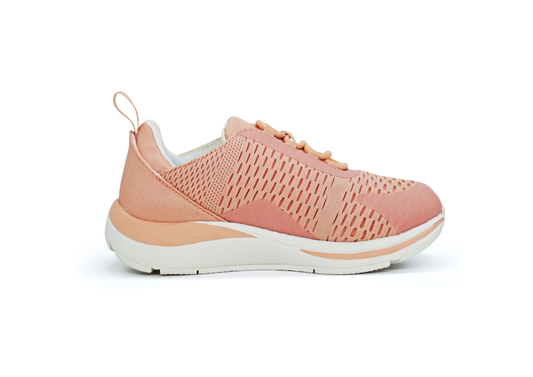
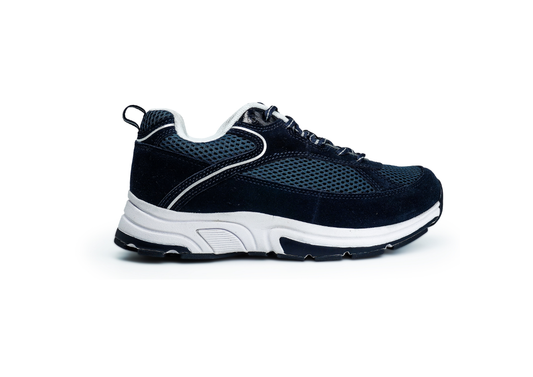

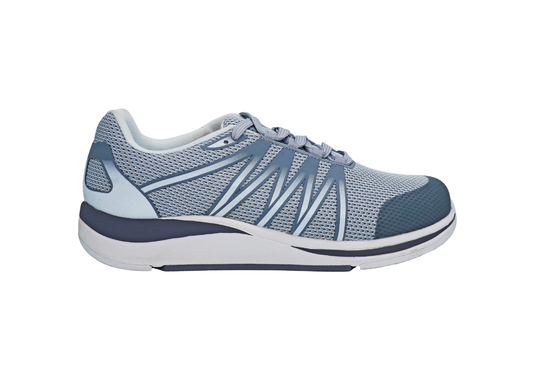

orthotic support
Orthotic Support: Comprehensive Guide to Arch Support Insoles, Custom Orthotics Benefits, and Selecting Orthotic Footwear
By Dr. Subramanyam Balaji, Ortho Shoes Corporation
Orthotic support is a key intervention for improving foot health and reducing common foot problems. This guide explains why orthotic support matters, covering arch support insoles, the advantages of custom orthotics, and how to choose suitable orthotic footwear. Conditions such as plantar fasciitis, arthritis, and diabetic foot issues can reduce mobility and quality of life. Understanding how orthotics work lets you make informed choices to protect and restore foot function. The article defines orthotic support, outlines benefits of insoles and custom devices, and lists criteria for selecting appropriate footwear.
Comprehensive Guide on Orthotic Support
Orthotic support describes speciality insoles and shoes engineered to improve stability, alignment, and comfort. These devices redistribute load across the foot and reduce pressure on painful areas. Proper orthotic support can relieve pain and support long-term foot health. Available options include prefabricated arch support insoles and bespoke custom orthotics tailored to different foot types and conditions.
Benefits of Arch Support Insoles
Arch support insoles deliver focused support to the medial arch to improve alignment and reduce discomfort. They are commonly recommended for foot pain management and daily comfort. Key benefits include targeted pain relief, improved posture through better alignment, and greater comfort during routine activities.
- Targeted Pain Relief: Arch support insoles help alleviate pain associated with conditions like plantar fasciitis and flat feet by providing necessary support to the arches.
- Correcting Whole-Body Alignment: By supporting the arches, these insoles can help correct alignment issues throughout the body, reducing strain on the knees, hips, and back.
- Enhanced Comfort: Many users report increased comfort when wearing shoes with arch support insoles, making daily activities more enjoyable.
For effective arch support options, Ortho Shoes provides a selection of durable, supportive insoles designed for various needs.
What to Look for in Arch Support Insoles
When choosing arch support insoles, evaluate material durability, appropriate arch height for your foot type, and overall fit within your shoes. These factors determine comfort, longevity, and biomechanical benefit.
- Material Quality: Look for insoles made from durable, cushioned materials that provide both support and comfort.
- Arch Height: Choose insoles with the appropriate arch height for your foot type to ensure optimal support.
- Fit: Ensure the insoles fit well within your shoes without causing discomfort or crowding.
Advantages of Custom Orthotics
Custom orthotics are manufactured from a clinical assessment of your foot and gait, delivering a tailored solution that standard insoles cannot match. They improve fit and target specific biomechanical issues to reduce pain and support function.
- Personalized Fit: Custom orthotics are designed based on a thorough assessment of your foot structure, ensuring a perfect fit that addresses your unique needs.
- Enhanced Support: These orthotics provide targeted support where it's needed most, helping to alleviate pain and improve overall foot function.
- Pain Reduction: Many users experience significant pain relief with custom orthotics, making them a valuable investment for those with chronic foot issues.
Ortho Shoes offers custom orthotics designed to address a range of foot conditions while meeting recognised standards for quality and effectiveness.
How Custom Orthotics Improve Foot Function
Custom orthotics redistribute pressure across the foot, improve balance, and increase stability. This personalised correction enhances alignment of the feet and lower limbs, often improving mobility and reducing activity-related pain.
Criteria for Selecting Appropriate Orthotic Footwear
Selecting the correct orthotic footwear maximises the device's therapeutic effect. Key considerations include a proper assessment of foot type, professional consultation when needed, and shoes that provide arch support, cushioning, and a secure, comfortable fit.
- Foot Type Assessment: Understanding your foot type (flat, neutral, or high-arched) is crucial for selecting the right footwear.
- Consultation with Professionals: Seeking advice from a podiatrist or orthopedic specialist can help you make informed decisions about the best footwear for your needs.
- Key Features to Look For: Look for shoes with adequate arch support, cushioning, and a comfortable fit to ensure optimal support and comfort.
What Is Orthotic Support and How Does It Improve Foot Health?
Orthotic support includes insoles and shoes that stabilise the foot, correct alignment, and reduce localized pressure. By redistributing weight, these devices can relieve pain and slow progression of certain conditions. They are commonly used to manage plantar fasciitis, arthritis, and diabetic foot concerns to preserve function and quality of life.
Understanding Orthotic Support: Definition and Medical Importance
The medical value of orthotic support lies in its role as a conservative treatment that addresses structural and pressure-related problems. Properly prescribed orthotics can limit complications, particularly in people with diabetes or inflammatory joint disease, where foot care is essential to reduce risk.
How Orthotic Support Addresses Common Foot Conditions Like Plantar Fasciitis and Arthritis
Orthotic support targets the mechanical causes of conditions such as plantar fasciitis and arthritis. Arch support insoles reduce tension on the plantar fascia, while cushioned, supportive shoes decrease joint load in arthritic feet. Understanding these mechanisms helps you choose the right intervention for your symptoms.
How to Select Orthotic Footwear: Key Features and Considerations
When selecting orthotic footwear, prioritise adequate arch support matched to your foot type, effective cushioning for shock absorption, and a comfortable fit that encourages consistent wear. These features are essential for therapeutic benefit.
- Arch Support: Ensure the shoes provide adequate arch support tailored to your foot type.
- Cushioning: Look for shoes with sufficient cushioning to absorb shock and reduce pressure on the feet.
- Fit and Comfort: Choose footwear that fits well and feels comfortable, as this will encourage regular use.
What to Look for in Arch Support Insoles and Orthotic Shoes
Evaluate material quality for durability and comfort, choose designs suited to your foot shape and condition, and consider reputable brands with clinical experience in orthotic products when making a selection.
- Material: Opt for high-quality materials that offer durability and comfort.
- Design: Look for designs that cater to your specific foot type and condition.
- Brand Reputation: Consider brands known for their expertise in orthotic products, such as Ortho Shoes.
Custom Orthotics vs Over-the-Counter Inserts: Which Is Right for You?
Deciding between custom orthotics and OTC inserts depends on the severity and specificity of your condition. Custom orthotics deliver precise correction and are often more effective for complex or chronic issues. OTC inserts can be a practical, lower-cost option for mild symptoms or general comfort.
- Effectiveness: Custom orthotics are often more effective for specific foot conditions due to their personalized design.
- Cost Considerations: While custom orthotics may have a higher upfront cost, they can provide long-term benefits and savings by reducing the need for additional treatments.
- Suitability for Conditions: Assess your specific foot condition to determine which option is best suited for your needs.
What Are the Benefits of Orthotic Shoes for Plantar Fasciitis and Heel Pain Relief?
Orthotic shoes address plantar fasciitis and heel pain by combining arch support, shock-absorbing soles, and improved foot alignment. These features reduce strain on the plantar fascia and lower the risk of recurring pain during daily activities.
- Arch Support: Proper arch support helps alleviate pressure on the plantar fascia, reducing pain.
- Cushioned Soles: Shoes with cushioned soles provide shock absorption, enhancing comfort during daily activities.
- Stability and Alignment: Orthotic shoes promote better alignment, which can help prevent further complications.
For targeted relief, explore the orthotic shoe range for heel pain at Ortho Shoes, which includes models designed for plantar fasciitis.
How Orthotic Shoes Provide Targeted Support for Plantar Fasciitis
Orthotic shoes combine supportive arches, cushioned insoles, and structural design to reduce load on the plantar fascia. By addressing biomechanical contributors to pain, these shoes help restore comfort and activity tolerance.
Medical-Grade Cushioning and Durability in Heel Pain Footwear
Medical-grade cushioning in heel pain footwear offers both shock absorption and long-term resilience. Durable materials maintain support over time, so a higher-quality shoe can deliver sustained clinical benefit.
Why Choose Orthotic Footwear for Diabetic and Arthritis Foot Care?
Orthotic footwear benefits people with diabetes and arthritis by reducing pressure points, supporting circulation, and adding comfort through cushioning. These features help prevent ulcers, ease joint stress, and improve daily function.
- Prevention of Complications: Proper footwear can help prevent foot ulcers and other complications associated with diabetes.
- Improved Circulation: Orthotic shoes promote better blood flow, which is crucial for individuals with diabetes.
- Comfort Features: Enhanced cushioning and support can significantly improve the quality of life for those with arthritis.
For diabetes-specific needs, consider the specialised diabetic footwear collection at Ortho Shoes to help prevent complications and maintain comfort.
How Orthotic Shoes Help Manage Diabetic Foot Ulcers and Prevent Complications
Orthotic shoes reduce high-pressure areas and provide protective cushioning to vulnerable skin. This proactive pressure management can lower the risk of ulceration and support wound prevention strategies advised by clinicians.
Arthritis Footwear Benefits: Enhancing Comfort and Mobility
Arthritis-specific footwear focuses on cushioning, adjustable fit, and roomy toe boxes to reduce joint pain and improve mobility. These design elements make daily movement more comfortable and manageable.
What Are the Advantages of Custom Orthotics Compared to Over-the-Counter Inserts?
Custom orthotics offer superior correction because they are shaped to your foot and gait. They deliver improved support, better comfort, and potential long-term functional gains compared with generic inserts.
- Effectiveness: Tailored to individual foot shapes, custom orthotics provide superior support and pain relief.
- Comfort: A personalized fit ensures maximum comfort, reducing the likelihood of discomfort during use.
- Long-Term Benefits: Investing in custom orthotics can lead to long-term improvements in foot health and function.
Personalized Fit and Support: How Custom Orthotics Improve Foot Function
A custom fit targets pressure points and alignment faults to enhance balance and stability. This tailored support often results in better movement patterns and reduced pain during activity.
Cost, Accessibility, and Effectiveness of Over-the-Counter Orthotic Inserts
Over-the-counter inserts are accessible and budget-friendly but generally offer generic support. For specific structural problems or persistent symptoms, custom solutions prescribed by a clinician usually provide more effective, long-term outcomes.
How to Maintain and Care for Your Orthotic Support Products for Long-Term Use?
Care extends the life and effectiveness of orthotic products. Clean insoles and shoes per manufacturer guidance, air and store them in a cool, dry place, and inspect them regularly for wear. Replace items when cushioning or support diminishes.
- Cleaning Methods: Regularly clean insoles and shoes according to the manufacturer's instructions to prevent odor and wear.
- Storage Tips: Store orthotic products in a cool, dry place to maintain their shape and integrity.
- Signs of Wear: Monitor for signs of wear and replace products as needed to ensure continued support and comfort.
Following these maintenance steps helps preserve support, prolongs product life, and sustains foot health benefits.
Frequently Asked Questions
1. How do I know if I need custom orthotics?
Persistent foot pain, recurring symptoms like plantar fasciitis, or a clinical diagnosis of flat feet are indicators that custom orthotics may help. A podiatrist can evaluate your foot structure and gait and recommend custom devices when over-the-counter insoles fail to relieve symptoms.
2. Can children benefit from orthotic support?
Children with pain, flat feet, or overpronation can benefit from orthotics to support normal development and alignment. A paediatric podiatrist should assess the child to determine appropriate intervention and timing.
3. How often should I replace my orthotic insoles?
Replace orthotic insoles every 6 to 12 months on average, depending on wear and activity level. Visible breakdown, loss of cushioning, or reduced support are signs that replacement is needed to maintain effectiveness.
4. Are there specific shoes I should avoid when using orthotics?
Avoid footwear that lacks structure or space for orthotics, such as flip-flops, very high heels, or overly flat shoes. Choose shoes with a stable build, removable insoles, and enough room to accommodate your orthotics comfortably.
5. Can I use orthotic insoles in any type of shoe?
Many shoes can accept orthotic insoles if they have removable footbeds or sufficient internal volume. Athletic and casual sneakers are often suitable; however, overly tight or unsupported footwear will limit the insoles' effectiveness.
6. What should I do if my orthotics cause discomfort?
If orthotics cause discomfort, first check the fit and break them in gradually by wearing them for short periods. If pain continues, consult your podiatrist or orthotic provider for reassessment and adjustment. Properly fitted orthotics should reduce, not cause, pain.
7. How can I improve the effectiveness of my orthotic support?
To get the most from orthotic support, wear compatible footwear, maintain your insoles, and follow any clinician-recommended exercises or stretches. Maintaining a healthy weight and regular activity also supports foot function and orthotic effectiveness.
