
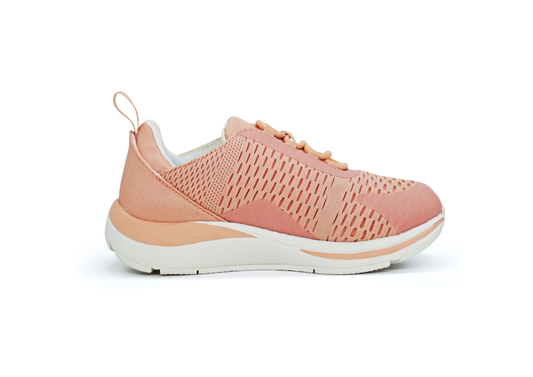
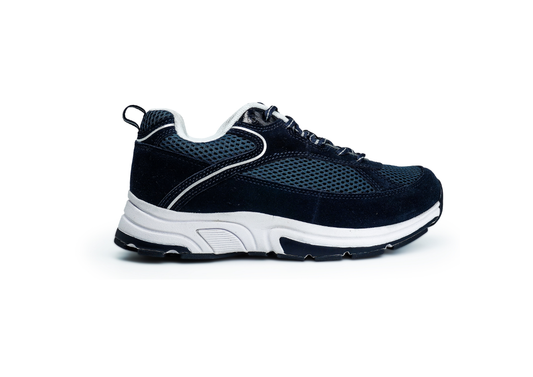

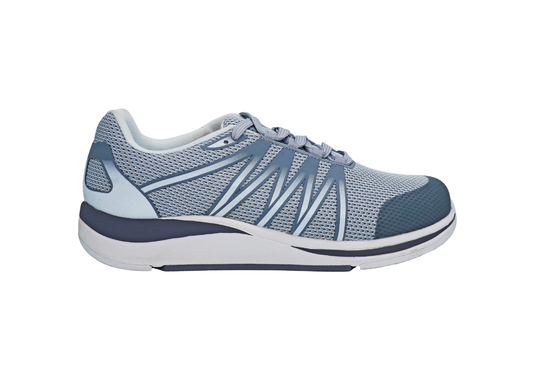

good orthopedic
Best Orthopedic Footwear in India: Comprehensive Guide to Choosing Good Orthopedic Shoes
By Dr. Subramanyam Balaji, Ortho Shoes Corporation
Choosing appropriate orthopedic footwear is essential for preserving foot health, especially if you have diabetes, arthritis, or persistent foot pain. This guide explains what defines good orthopedic shoes, their benefits, and how to select suitable options available in India. Inadequate footwear can worsen discomfort and limit mobility. Understanding key features and benefits lets you make informed choices that improve comfort and daily function. The article covers defining characteristics, benefits for common conditions, and practical selection tips.
What Defines Good Orthopedic Footwear for Indian Consumers?
Good orthopedic footwear includes design elements that support foot structure and reduce pain. Core features are firm arch support, effective cushioning, and a roomy toe box. Arch support helps distribute weight evenly and reduces strain. Cushioning absorbs impact during walking and standing. A roomy toe box permits natural toe movement and reduces pressure points. Knowing these features helps you choose shoes that promote long-term comfort and mobility.
Benefits of Orthopedic Footwear for Common Conditions
Orthopedic footwear delivers measurable benefits for people with common foot conditions. These shoes stabilise the foot, reduce painful pressure, and improve walking comfort for conditions such as diabetes and arthritis.
- Diabetes Management: Orthopedic shoes help prevent complications such as foot ulcers by providing adequate support and protection.
- Arthritis Relief: They reduce pain for arthritis sufferers by offering cushioning and stability, which can improve mobility.
- Enhanced Comfort: Overall, orthopedic footwear improves mobility and comfort, allowing individuals to engage in daily activities without discomfort.
Ortho Shoes, an Indian orthopedic footwear brand, specializes in therapeutic shoes designed to address these foot health issues effectively. You can explore their diabetic footwear options specifically tailored for managing foot health in individuals with diabetes.
Key Features of Orthopedic Shoes for Foot Health Support
When you select orthopedic shoes, check for features that directly support foot health. Look for a stable heel counter to control rearfoot motion. Prioritise sole systems that provide shock absorption to reduce joint stress. Choose breathable uppers to manage moisture and reduce the risk of skin issues. These components work together to protect and support the foot.
- Stable Heel Counter: Provides stability and prevents excessive foot movement.
- Shock Absorption: Cushioned soles help absorb impact, reducing stress on joints.
- Breathable Materials: Ensures moisture control, keeping feet dry and comfortable.
Combined, these features create a supportive environment for the foot and make orthopedic shoes a sound investment for long-term foot health. If you need men's-specific options, see the men's orthopedic shoes collection for targeted solutions.
How Orthopedic Footwear Addresses Common Conditions like Diabetes and Arthritis
Orthopedic footwear targets the specific needs of conditions such as diabetes and arthritis through design. Diabetic shoes frequently use seamless interiors to reduce friction and limit blister risk. Arthritis footwear adds targeted cushioning to lessen joint load and improve comfort. These tailored features help maintain mobility and support daily activity.
Which Are the Best Orthopedic Shoes for Flat Feet and Heel Pain Relief?
For flat feet and heel pain, choose shoes that correct alignment and cushion impact. Effective options include:
- Arch Support Shoes: These provide the necessary support for flat feet, helping to align the body properly.
- Cushioned Heel Shoes: Designed to alleviate heel pain, these shoes offer extra padding in the heel area.
- Wide Fit Options: Shoes that accommodate wider feet can prevent discomfort and promote better foot health.
Selecting the appropriate pair can significantly reduce symptoms and improve function. For heel pain specifically, review the heel pain shoes range for specialist designs.
How to Choose Diabetic Orthopedic Shoes for Effective Foot Ulcer Prevention?
Choosing the right diabetic orthopedic shoes is central to ulcer prevention. Follow clinical best practices when evaluating footwear to minimise pressure, friction, and repetitive trauma to the foot.
- Look for Wide Toe Boxes: This feature allows for natural toe movement and reduces pressure on the feet.
- Seamless Interiors: Shoes with seamless designs minimize friction, which is essential for preventing blisters and ulcers.
- Cushioned Footbeds: Opt for shoes with cushioned footbeds to absorb shock and provide comfort throughout the day.
Applying these criteria helps people with diabetes reduce their risk of skin breakdown and other complications.
Essential Design Elements in Diabetic Footwear
Diabetic footwear should include elements that increase durability and reduce risk. Prioritise strong materials for lasting support. Adjustable closures allow a customised fit for swelling or daily variation. Shock‑absorbing soles lessen impact forces on vulnerable tissue.
- Durable Materials: Ensures longevity and support for daily wear.
- Adjustable Straps: Allows for a customized fit, accommodating any swelling or changes in foot size.
- Shock-Absorbing Soles: Provides additional comfort and reduces the risk of injury.
These design elements form the basis of effective diabetic footwear that maintains comfort and protects foot integrity.
What Are the Benefits of Arthritis Footwear and How Do They Support Joint Health?
Arthritis footwear is engineered to reduce joint stress and improve comfort during movement. Key benefits focus on cushioning, stability, and long‑term protection of foot structures.
- Pain Relief: The cushioning in these shoes helps absorb shock, reducing pain during movement.
- Improved Mobility: By providing adequate support, arthritis footwear enhances mobility, allowing individuals to engage in daily activities.
- Long-Term Foot Health: Proper footwear can prevent further complications related to arthritis, promoting overall foot health.
Investing in quality arthritis footwear is important for symptom management and maintaining activity levels. See the arthritis footwear collection for designs targeted to these needs.
How to Select and Fit Orthopedic Shoes for Optimal Foot Health?
Correct selection and fitting maximise the therapeutic effect of orthopedic shoes. Use precise measurements and evaluate fit while standing to ensure proper support and comfort.
- Measure Foot Size Accurately: Ensure you know your exact foot size, as this can change over time.
- Choose the Right Shoe Type: Depending on your specific needs, select shoes that offer the necessary support and features.
- Ensure a Secure Fit: The shoes should fit snugly without being too tight, allowing for natural movement.
Adhering to these steps increases the likelihood that your shoes will support foot health and daily activity.
Recommended Exercises to Support Foot and Ankle Health
Alongside supportive footwear, targeted exercises improve foot function and resilience. Simple routines increase flexibility and strength in the foot and ankle.
- Ankle Alphabets: Trace the letters of the alphabet with your toes to improve flexibility.
- Toe Curls: Strengthen the muscles in your feet by curling your toes.
- Calf Stretches: Stretching the calves can improve overall foot health and prevent discomfort.
Regularly performing these exercises complements the protective effects of orthopedic shoes and supports recovery and maintenance.
Integrating Footwear and Therapy for Comprehensive Orthopedic Care
Combining well‑designed footwear with therapeutic practices produces better outcomes than either approach alone. A coordinated plan addresses structure, strength, and skin health.
- Choose Supportive Footwear: Ensure your shoes provide the necessary support for your specific condition.
- Incorporate Strengthening Exercises: Regular exercises can enhance foot strength and stability.
- Monitor Foot Health Regularly: Keep track of any changes in foot health to address issues promptly.
This integrated approach improves foot function and quality of life. Explore the full range of options at Ortho Shoes to find footwear that matches your needs.
| Feature | Description | Benefit |
|---|---|---|
| Arch Support | Provides stability and alignment | Reduces strain on feet |
| Cushioning | Absorbs impact during movement | Enhances comfort |
| Breathable Materials | Allows moisture control | Keeps feet dry |
The table summarises essential orthopedic features and their clinical benefits. Use it as a checklist when evaluating footwear for support, cushioning, and breathability.
| Condition | Recommended Shoe Type | Key Features |
|---|---|---|
| Diabetes | Diabetic Shoes | Wide toe box, cushioned footbeds |
| Arthritis | Arthritis Footwear | Extra cushioning, stability |
| Flat Feet | Arch Support Shoes | Supportive arch, cushioned heel |
This comparison clarifies which shoe types suit common conditions and the features to prioritise when choosing footwear.
Understanding orthopedic shoe features and benefits lets you select footwear that supports foot health and daily activity. Ortho Shoes offers therapeutic models designed to address common foot concerns while providing comfort and support.
Frequently Asked Questions
1. How do I know if I need orthopedic shoes?
If you have ongoing foot pain, difficulty walking, frequent fatigue, or visible foot deformities, orthopedic shoes may help. A formal diagnosis such as diabetes or arthritis also indicates a need. Consult a podiatrist for a clinical assessment and personalised footwear recommendations.
2. Can orthopedic shoes be stylish as well as functional?
Yes. Modern orthopedic shoes combine functional design with contemporary styles. Manufacturers now offer options in different colours, materials, and formats—casual, formal, and athletic—so you can maintain your style without sacrificing support and comfort.
3. How often should I replace my orthopedic shoes?
Replace orthopedic shoes every 6 to 12 months depending on use and wear. Replace them sooner if soles show visible wear, cushioning is reduced, or support feels diminished. Regularly inspect your shoes and consult a specialist if you notice changes in fit or foot symptoms.
4. Are there specific brands known for quality orthopedic footwear in India?
Yes. Several brands in India are recognised for quality orthopedic options. Examples include Ortho Shoes, Relaxo, and Bata. These brands offer products focused on comfort, support, and practical design. Review customer feedback and professional recommendations when choosing a brand.
5. Can children benefit from orthopedic shoes?
Children can benefit from orthopedic shoes when they have developmental issues or experience pain during walking or running. Proper footwear supports healthy foot development and can prevent future problems. Consult a pediatric podiatrist to assess your child and determine if orthopedic shoes are appropriate.
6. What should I look for when trying on orthopedic shoes?
When trying shoes, ensure adequate toe room, sufficient arch support, and comfortable cushioning. The fit should be snug without pinching. Walk in the shoes to evaluate comfort and stability. Also consider weight; lighter shoes often reduce fatigue during extended wear.
7. Are custom orthopedic shoes worth the investment?
Custom orthopedic shoes are valuable for people whose feet need specialised support that off‑the‑shelf shoes cannot provide. They are made to your foot shape and can reduce pain and improve mobility. Though more costly, the functional benefits often justify the investment. Discuss options with a podiatrist to decide if custom shoes are appropriate.
