
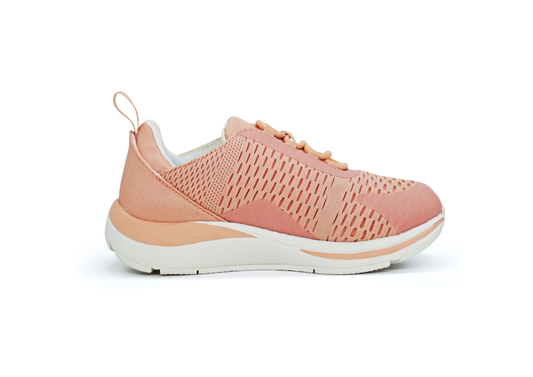
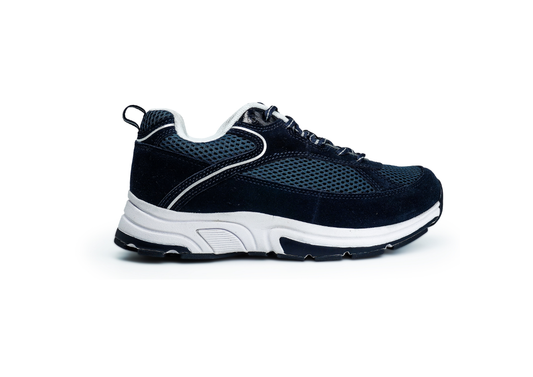

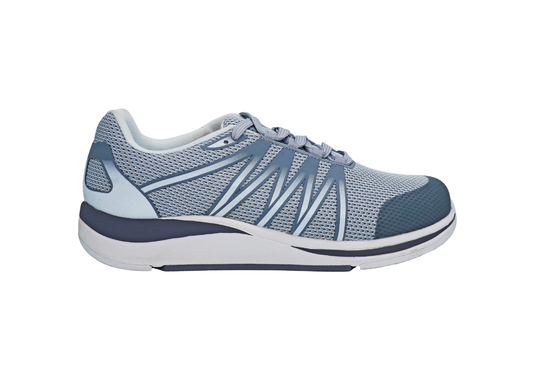

orthotic sneakers
Orthotic Sneakers: Comprehensive Guide to Supportive Footwear for Foot Pain Relief and Condition Management
By Dr. Subramanyam Balaji, Ortho Shoes Corporation
Orthotic sneakers are specialised footwear engineered to support and protect feet affected by common conditions. They reduce pain and improve mobility for people with plantar fasciitis, flat feet, arthritis and related issues. This guide explains key design features, clinical benefits and practical management strategies. Use these recommendations to choose a pair that improves comfort and daily function.
Comprehensive Guide on Orthotic Sneakers
Orthotic sneakers are made to support foot health and reduce discomfort. They deliver targeted cushioning and structured support for specific conditions, addressing pain, instability and fatigue. Knowing the features and benefits helps you choose the right shoe. For a wide selection, explore supportive footwear options.
Design Features:
Orthotic sneakers include distinct design elements that separate them from regular shoes. These features work together to provide stability, pressure relief and enhanced comfort for feet with structural or inflammatory issues.
- Customizable Support: Many orthotic sneakers come with removable insoles, allowing users to insert custom orthotics for personalized support.
- Wider and Deeper Fit: These shoes often feature a wider toe box and deeper fit to accommodate foot deformities and swelling.
- Cushioned and Shock-Absorbing Soles: The soles are designed to absorb impact, reducing stress on the feet and joints during movement.
Benefits for Foot Pain Relief:
Orthotic sneakers deliver specific advantages that stem from their engineered design. They aim to reduce pain, protect vulnerable tissues and make daily activity easier for those with foot conditions.
- Targeted Support: Orthotic sneakers provide specific support to the arches and heels, which can alleviate pain associated with conditions like plantar fasciitis.
- Pressure Point Alleviation: The cushioning in these shoes helps distribute weight evenly, reducing pressure on sensitive areas of the foot.
- Improved Mobility: By enhancing comfort and support, orthotic sneakers can improve overall mobility, allowing individuals to engage in daily activities with less pain.
| Feature | Description | Benefit |
|---|---|---|
| Arch Support | Provides stability and alignment | Reduces pain from conditions like plantar fasciitis |
| Cushioning | Soft materials that absorb shock | Enhances comfort during walking and standing |
| Stability | Design features that prevent rolling | Improves balance and reduces the risk of injury |
Management of Various Foot Conditions:
Orthotic sneakers are a practical tool in managing many foot conditions. Their structural features address specific biomechanical needs to reduce strain and support healing.
- Plantar Fasciitis Management: The arch support and cushioning help alleviate the strain on the plantar fascia, reducing pain and inflammation.
- Heel Spurs Relief: The shock-absorbing soles provide comfort and support, helping to relieve pressure on the heel.
- Support for Flat Feet: Orthotic sneakers offer the necessary arch support to help correct flat feet, improving overall foot function.
Recommendations for Selecting the Right Pair:
Choosing the correct orthotic sneakers maximises their clinical benefit. Consider fit, support level and the recommendations of a foot health professional when deciding.
- Consult a Professional: Seek advice from a podiatrist or orthopedic specialist to determine the best type of support for your foot condition.
- Assess Foot Type: Understand your foot type (flat, neutral, or high-arched) to select sneakers that provide the appropriate support.
- Try Before You Buy: Always try on sneakers and walk around in them to ensure they fit well and provide the necessary comfort.
What Are Orthotic Sneakers and How Do They Support Foot Health?
Orthotic sneakers are purpose-built shoes that combine arch support, cushioning and stability to protect painful or weakened feet. Their primary role is to reduce pain and improve function so you can move with less discomfort. Explore men's orthopedic shoes designed for optimal support.
Key Features: Arch Support, Cushioning, and Shock Absorption Explained
The defining features of orthotic sneakers are arch support, cushioning and shock absorption. Arch support maintains alignment and reduces strain on tissues. Cushioning absorbs impact and lessens fatigue. Shock absorption protects joints, which is important for people with chronic foot pain.
Which Orthotic Sneakers Are Best for Plantar Fasciitis and Heel Pain?
When choosing for plantar fasciitis or heel pain, prioritise brands and models known for structured arch support and effective cushioning. Look for shoes with documented support features and user feedback on pain relief.
- Ortho Shoes: Offers a range of sneakers specifically designed for foot pain relief, featuring excellent arch support and cushioning.
- New Balance: Known for their comfortable fit and supportive designs, ideal for individuals with plantar fasciitis.
- Saucony: Provides sneakers with advanced cushioning technology, perfect for reducing heel pain.
Top Features to Look for in Sneakers for Heel Pain Relief
For heel pain relief, focus on three core elements: cushioning to absorb shock, firm arch support to correct alignment, and durable materials that maintain support over time.
- Cushioning: Look for shoes with ample cushioning to absorb shock and reduce impact on the heel.
- Arch Support: Ensure the sneakers provide adequate arch support to maintain proper foot alignment.
- Material Quality: Choose sneakers made from high-quality materials that offer durability and comfort.
How Do Supportive Sneakers Help Manage Flat Feet and Arthritis?
Supportive sneakers correct alignment and reduce stress on joints for people with flat feet and arthritis. Arch support improves foot mechanics, while cushioning and stability reduce pain and conserve energy during walking. Discover footwear solutions for arthritis that prioritise comfort and stability.
Benefits of Orthopedic Sneakers for Flat Feet Correction
Orthopedic sneakers assist flat feet by restoring arch support, offering cushioned footbeds and redistributing pressure across the sole. These effects reduce strain and make standing or walking more comfortable for longer periods.
- Built-in Arch Support: Helps maintain proper foot alignment and reduces strain on the feet.
- Cushioned Footbeds: Provides comfort and support, making it easier to walk or stand for extended periods.
- Pressure Redistribution: Helps distribute weight evenly across the foot, reducing pain and discomfort.
Arthritis Footwear Solutions: Comfort and Stability Features
For arthritis management, the priority is cushioning, a roomy toe box and adjustable fit. These design choices reduce joint pressure, allow natural toe movement and accommodate swelling.
- Cushioned Soles: Soft materials that absorb shock and provide comfort during movement.
- Wide Toe Boxes: Allow for natural toe splay, reducing pressure on the joints.
- Adjustable Features: Such as laces or straps that allow for a customized fit.
What Are the Advantages of Orthopedic Sneakers in India?
Orthopedic sneakers available in India offer practical benefits: targeted support for common foot conditions, comfortable designs for daily wear, and a range of models that suit different clinical needs.
- Foot Health Benefits: Designed to support various foot conditions, promoting overall foot health.
- Comfort Features: Many brands focus on comfort, making them suitable for daily wear.
- Suitability for Various Conditions: These sneakers cater to a wide range of foot issues, making them accessible to many individuals.
How to Choose the Best Orthotic Sneakers for Your Foot Condition?
Choosing the best orthotic sneakers means matching shoe features to your condition and foot type. Review support level, cushioning type and brand reputation. Always prioritise fit and professional guidance when needed.
- Key Features to Consider: Look for arch support, cushioning, and stability features that align with your specific foot condition.
- Recommended Brands: Research brands known for their orthopedic footwear, such as Ortho Shoes, New Balance, and Saucony.
- Fitting Advice: Ensure a proper fit by trying on sneakers and walking in them before making a purchase.
Evaluating Arch Support Levels and Cushioning Types
Assess arch support firmness and cushioning density when comparing shoes. Choose a balance that matches your foot type: firmer support for structural needs, softer cushioning for symptom relief and comfort.
Understanding Material Quality and Durability for Long-Term Use
Material quality affects how long a shoe retains support and cushioning. Select well-constructed sneakers made from durable uppers and resilient midsoles to ensure consistent support over time.
What Do Users Say About Orthotic Sneakers? Reviews and Testimonials
User reviews often report reduced pain, improved stability and better daily comfort after switching to orthotic footwear. Look for consistent feedback on fit and long-term comfort when evaluating models.
Comparing Orthotic Sneakers: User Ratings and Satisfaction
Compare products by user ratings for comfort, support and durability. High and consistent ratings across these areas indicate a model that reliably meets customer needs.
For women seeking specialised footwear, explore women's orthopedic shoes that blend style with therapeutic benefits. Individuals with diabetes can also review dedicated diabetic footwear options tailored for pressure relief and protection.
Those looking for targeted heel relief can find purpose-built models in the shoes for heel pain collection, engineered for cushioning and support at the heel.
Frequently Asked Questions
1. Can orthotic sneakers be worn for sports and physical activities?
Yes. Many orthotic sneakers are designed for active use. Choose a model matched to your activity—running, walking or cross-training—and check for extra arch support, shock absorption and stability to protect performance and comfort.
2. How do I know if I need custom orthotics in my sneakers?
If you have persistent pain or a diagnosed foot condition, custom orthotics may help. A podiatrist or orthopaedic specialist can assess your foot structure and gait and advise whether custom inserts are necessary or if off‑the‑shelf orthotic sneakers will suffice.
3. Are there specific brands known for their quality in orthotic sneakers?
Yes. Brands such as Ortho Shoes, New Balance and Saucony are frequently recommended for their supportive designs and cushioning technologies. Review product specifications and user feedback to confirm suitability for your needs.
4. How often should I replace my orthotic sneakers?
Replace orthotic sneakers every 6 to 12 months, depending on wear and activity level. Signs you need new shoes include flattened cushioning, visible sole wear or a return of discomfort during use.
5. Can orthotic sneakers help with conditions other than foot pain?
Yes. By improving alignment and support, orthotic sneakers can reduce strain on knees and the lower back. People with arthritis or diabetes may also experience improved comfort and stability, which supports better mobility.
6. What should I look for when trying on orthotic sneakers?
When trying on shoes, check toe room, arch support and overall fit. Walk for several minutes to assess comfort and identify any pressure points. A correct fit is essential to gain the intended therapeutic benefits.
7. Are orthotic sneakers suitable for all foot types?
Orthotic sneakers are available for flat, neutral and high-arched feet, but not every model suits every foot. Match shoe support and cushioning levels to your foot type and seek professional advice if you are unsure.
