
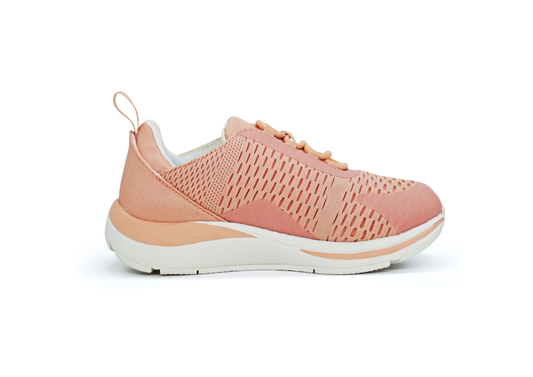
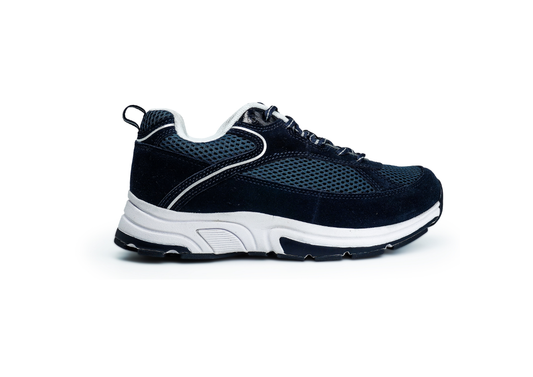

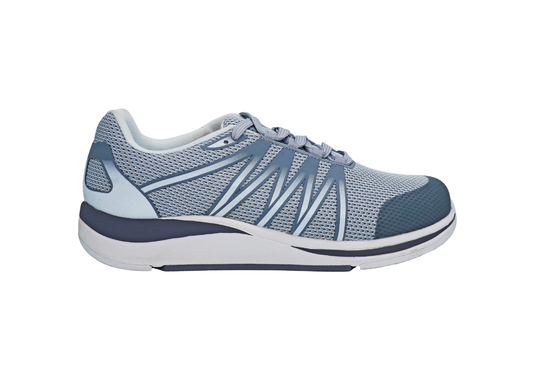

orthotic dress shoes
Orthotic Dress Shoes: Expert Guide to Supportive and Comfortable Footwear for Foot Health
By Dr. Subramanyam Balaji, Ortho Shoes Corporation
Orthotic dress shoes combine supportive engineering with dress-ready style to address common foot problems. They add targeted support, cushioning, and alignment to reduce pain from conditions such as plantar fasciitis, flat feet, heel pain, and arthritis. This guide explains what orthotic dress shoes are, their clinical benefits, and the design features to look for so you can choose a pair that protects foot health without sacrificing appearance.
What Are Orthotic Dress Shoes and How Do They Support Foot Health?
Orthotic dress shoes are dress-style shoes built with medical-grade support features. Typical elements include structured arch support, shock-absorbing midsoles, and ergonomic lasts that promote neutral foot alignment. These design choices reduce strain on soft tissues and joints, lower pain levels, and can help prevent secondary problems by improving posture and gait mechanics.
Which Orthotic Dress Shoes Are Best for Plantar Fasciitis and Heel Pain?
For plantar fasciitis and heel pain, choose shoes that deliver controlled support and cushioning where the foot needs it most. Look for construction that stabilizes the rearfoot and cushions heel impact to limit repetitive stress on the plantar fascia.
- Arch Support: Shoes with built-in arch support help distribute weight evenly and reduce strain on the plantar fascia.
- Cushioned Soles: A well-cushioned sole absorbs shock and provides comfort during prolonged wear.
- Stability Features: Shoes that offer stability can help prevent excessive foot movement, which is beneficial for those with heel pain.
Manufacturers such as OrthoFeet offer collections designed with these features to address plantar fasciitis and heel pain, combining targeted support and cushioning to reduce symptoms during daily activities.
Clinical studies report that prefabricated orthotics with arch support reduce plantar fasciitis symptoms by lowering repetitive stress on the plantar fascia.
Orthotics and Orthotic Sandals for Plantar Fasciitis Relief
ABSTRACT: BACKGROUND: Plantar fasciitis (PF) affects around 10% of the population. Prefabricated orthotics with arch support has been shown to provide symptom relief in PF by decreasing the repetitive stress sustained by the plantar fascia. However, prefabricated orthotics are only effective when shoes are worn, meaning the foot may be left unsupported when it is impractical to wear shoes. Using orthotic sandals in conjunction with prefabricated orthotics may increase PF symptom relief, as they can be worn inside the home, extending the period in which the foot is supported.
Use of orthotics with orthotic sandals versus the sole use of orthotics for plantar fasciitis: Randomised controlled trial, 2023
How Do Arch Support Dress Shoes Benefit Flat Feet and Arthritis?
Arch support dress shoes help maintain foot alignment for people with flat feet and can reduce joint stress for those with arthritis. Proper arch support redistributes load across the foot, which eases pressure on the plantar fascia and adjacent structures. Over time, this can lower pain and improve functional stability.
- Pain Relief: By supporting the arch, these shoes help reduce pressure on the plantar fascia and other foot structures, leading to decreased pain.
- Improved Stability: Enhanced stability helps individuals with flat feet maintain balance and reduces the risk of falls.
- Comfortable Fit: Many arch support shoes are designed with wider toe boxes, accommodating foot swelling and providing a more comfortable fit.
Brands such as OrthoFeet focus on footwear that addresses alignment, cushioning, and fit so people with flat feet or arthritis can wear dress shoes comfortably. For curated options that prioritise support and comfort, see orthoshoes.in.
What Makes Comfortable Office Shoes Ideal for Long Hours and Diabetic Foot Care?
Office shoes designed for long wear must protect the foot while reducing fatigue. Key requirements include breathable uppers to manage moisture, sufficient cushioning to absorb daily impact, and structural support to maintain alignment during prolonged standing or walking.
- Breathability: Materials that allow for airflow help keep feet dry and comfortable throughout the day.
- Cushioning: Adequate cushioning reduces fatigue and discomfort during extended wear.
- Supportive Design: Shoes that provide arch support and stability are crucial for preventing foot complications in diabetic patients.
Choosing shoes with these features can help lower the risk of pressure-related injuries and reduce discomfort for people with diabetes. Specialized diabetic footwear options combine protective design with cushioning and fit considerations.
Design Elements for Comfort in Orthopedic Work Shoes
Orthopedic work shoes incorporate components that reduce impact and support natural foot function. Designers use shock-absorbing soles, anatomically shaped footbeds, and durable construction to protect feet in demanding settings.
- Shock-Absorbing Soles: These soles help reduce the impact on joints and muscles, providing a more comfortable experience.
- Ergonomic Fit: Shoes that conform to the natural shape of the foot can prevent discomfort and blisters.
- Durable Materials: High-quality materials ensure longevity and maintain the shoe's supportive features over time.
By prioritizing these design elements, orthopedic work shoes deliver sustained support and protection for long shifts. Explore the selection of men's orthopedic shoes to find durable, supportive work options.
Specialized Features for Diabetic Foot Safety in Dress Shoes
Dress shoes for people with diabetes should reduce friction, cushion vulnerable areas, and allow natural toe positioning. These features lower the risk of skin breakdown and pressure injuries that can lead to complications.
- Seamless Interiors: Reducing friction and pressure points helps prevent blisters and sores.
- Cushioned Interiors: Soft linings provide additional comfort and protection for sensitive feet.
- Wide Anatomical Toe Boxes: These allow for natural toe movement and reduce the risk of pinching or discomfort.
Choosing dress shoes with seamless linings, ample cushioning, and roomy toe boxes supports foot safety while maintaining a polished appearance. See the full range at orthoshoes.in for options that balance protection and style.
How to Choose the Best Work Shoes with Orthopedic Support for Style and Function?
Choosing work shoes with orthopedic support requires matching shoe features to your symptoms and daily demands. Prioritise fit, functional support, and versatility so the shoe works across your day.
- Assess Your Needs: Identify any specific foot conditions or requirements you have, such as arch support or cushioning.
- Try Before You Buy: Always try on shoes to ensure a proper fit and comfort level. Walk around in them to assess their support.
- Consider Versatility: Look for shoes that can transition from work to social settings without sacrificing style.
Follow these practical steps to find work shoes that provide reliable orthopedic support and still look professional. For women seeking tailored options, review the selection at women's orthopedic shoes.
Frequently Asked Questions
What are the key differences between orthotic dress shoes and regular dress shoes?
Orthotic dress shoes are engineered to support foot health; regular dress shoes focus mainly on appearance. Orthotic models include built-in arch support, cushioned midsoles, and anatomically shaped lasts to promote neutral alignment. Regular dress shoes often lack these features and can worsen pain or contribute to biomechanical strain for people with foot conditions.
Can orthotic dress shoes be customized for individual foot needs?
Yes. Many manufacturers offer custom or semi-custom orthotics shaped to an individual's foot contours, arch height, and clinical needs. Customization ensures targeted support for issues such as plantar fasciitis, flat feet, or arthritis. A podiatrist or orthotist can advise on the best custom solution based on an assessment.
How do I maintain my orthotic dress shoes for longevity?
Care extends the life of orthotic dress shoes. Wipe surfaces clean with a damp cloth and let shoes air dry naturally. Avoid heat sources that can damage materials. Rotate pairs to reduce concentrated wear and use removable orthotic inserts as recommended to preserve internal structure.
Are there specific brands known for high-quality orthotic dress shoes?
Yes. Brands such as OrthoFeet, Vionic, and New Balance are recognised for integrating orthopedic technologies into dress and everyday styles. These companies invest in supportive design while maintaining a broad range of styles. Review product specifications and customer feedback to match a brand to your needs.
What should I look for when buying orthotic dress shoes online?
When buying online, check the brand's sizing chart and read detailed feature descriptions for arch support, cushioning, and materials. Look for user reviews that mention fit and comfort over time. Finally, confirm the return policy so you can exchange or return shoes if the fit or support is not adequate.
Can I wear orthotic dress shoes for sports or physical activities?
Orthotic dress shoes are intended for formal and everyday use and may support light activity. For running, team sports, or high-impact exercise, choose athletic footwear designed for those activities, which offers specific traction, lateral stability, and enhanced shock absorption. If you have a foot condition, consult a specialist for recommendations that suit both activity level and foot health.
