Medial Arch Support: Essential Foot Relief
Benefits of Medial Arch Support for Feet
Have you ever noticed a deep "pulling" sensation or unmistakable inner foot pain when walking? Podiatrists note this usually signals a structural issue, not a need for softer shoes. Think of your foot's inner curve like a weight-bearing bridge. Effective foot arch support provides a stable foundation, whereas basic cushioning simply squishes. Without firm medial arch support, this essential shock absorber collapses, radiating aches upward into your knees. For those struggling with specific conditions, exploring specialized plantar fasciitis shoes or targeted arthritis footwear can provide the necessary structural integrity.
How Medial Arch Support Realigns Your Entire Body
After a long day, foot aches often creep straight into your lower back. Think of your body like a car. When your medial arch flattens and your foot rolls inward—a process called overpronation—it throws your internal framework off balance. Because your skeleton operates as a connected "kinetic chain," a collapsing foot sends extra strain upward, disrupting the biomechanical alignment of the lower limbs.
Before blaming age for those aching joints, examine your daily shoes. You can often self-diagnose a need for flat foot arch support by checking your current footwear for these three signs:
-
The inside edge of the heel tread is noticeably worn down.
-
The shoe physically tilts inward when placed on a flat table.
-
The inner side of the insole feels completely flattened.
Fixing this structural imbalance requires building a better base from the ground up. High-quality arch support for flat feet acts like a stable wedge, preventing inward collapse and reducing joint stress. For many people, the most reliable approach is pairing arch support insoles with well-designed orthopedic shoes for women or men's orthopedic walking shoes that already include stability features such as a firm heel counter and a supportive midfoot shank.
Cushioning vs. Stability: Choosing Orthotics and Orthopedic Footwear
Most people believe "soft" shoes cure foot pain, but your feet actually need a structural foundation, not just a pillow. When seeking the best insoles for flat feet, orthotic density is what truly matters. Think of arch support insoles like a doorstop. A squishy sponge easily crushes under a heavy door, while a firm wedge holds it securely in place. Structural support physically prevents inward collapse, whereas pure cushioning merely masks the impact.
Orthopedic footwear supports this same goal by controlling motion and distributing pressure. In practice, many cases of flat foot arch support work best as a system: stable shoes plus inserts. Consider these common insert materials and where they fit in an orthopedic footwear plan:
-
Silicone: Offers soft heel relief for light walking but lacks structural arch strength for flat foot correction insoles.
-
High-Density Foam: Often the best balance for daily therapeutic shoes, providing comfort with measurable stability.
-
Rigid Plastic: Common in flat foot orthotics for long standing, but typically requires a supportive shoe with enough depth to avoid pressure points.
If your shoes are flimsy, even the best arch support inserts can shift, buckle, or feel ineffective. Look for removable insoles, adequate depth (so your foot is not forced upward), and a heel that feels locked-in rather than loose.
Your 3-Step Plan for Better Foot Health
Your medial arch plays a crucial role in whole-body alignment.
-
Understand your profile: Start with the at-home "Wet Foot Test" to see if you need high arch support or flat foot correction.
-
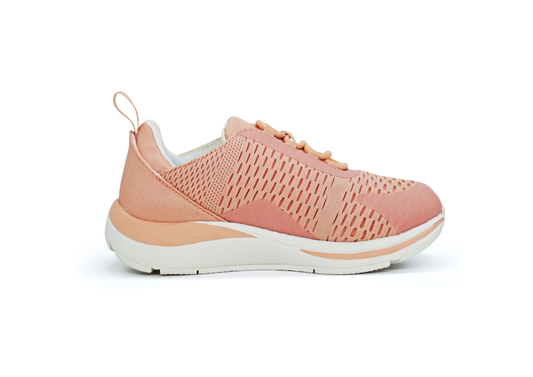
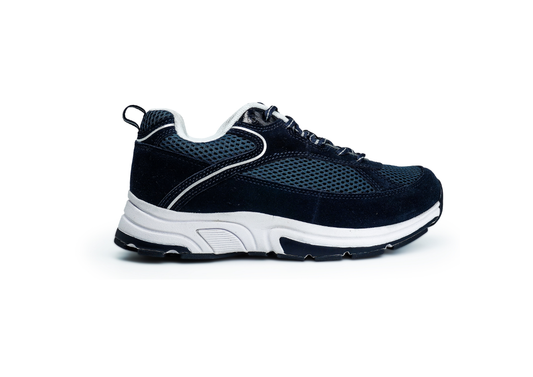
Evaluate your footwear: Check for signs of overpronation. If you need a reliable daily trainer, the Sprinter Orthopedic Athletic Shoe for women or the Aaron Comfort Orthopedic Shoes for men offer excellent stability.
-
Transition slowly: If you lack structure, transition slowly into medial arch support insoles or orthotics for flat feet, and consider upgrading to diabetic footwear built for extra protection and stability.
This combination helps manage overpronation, protects your joints, and improves daily mobility.
Q&A: Medial Arch Support and Orthopedic Footwear
Do I need orthopedic shoes or just arch support insoles for flat feet?
If your current shoes are stable and have enough depth, arch support insoles for flat feet may be sufficient. However, if your shoes bend easily through the midfoot, a dedicated option like the Stable Men's Orthopedic Walking Shoes provides a better platform for your inserts.
What should I look for in orthopedic footwear for flat feet?
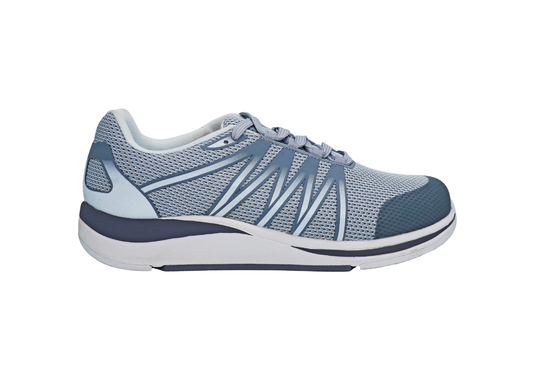
Prioritize a firm heel counter, a supportive midfoot shank, and a removable insole. For women, the Chippy Comfort Orthopedic Walking Shoes are designed specifically with these stability features in mind.
Can medial arch support cause new pain at first?
Yes. A stronger arch insoles profile changes load patterns. Break in gradually and reassess sizing. For indoor relief during this transition, consider orthopedic slippers for women or men's orthopedic slippers to maintain support at home.
Are silicone insoles good for flat feet?
A silicone insole can improve comfort, but it often lacks the structure needed for flat foot support. Firmer support is usually better, especially when paired with heel pain shoes that stabilize the entire rearfoot.
When should I see a clinician?
If pain persists, numbness develops, or you suspect tendon issues, consult an orthopedist or podiatrist. For those requiring a professional-grade base for their orthotics, the Victor Men's Orthopedic Footwear is a top-tier choice for consistent alignment.