
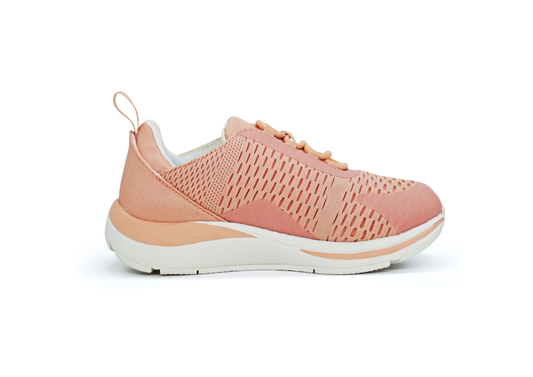
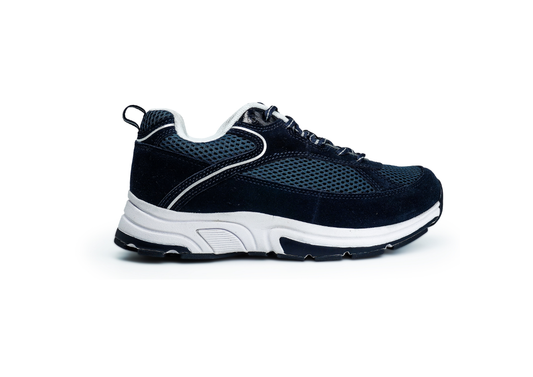

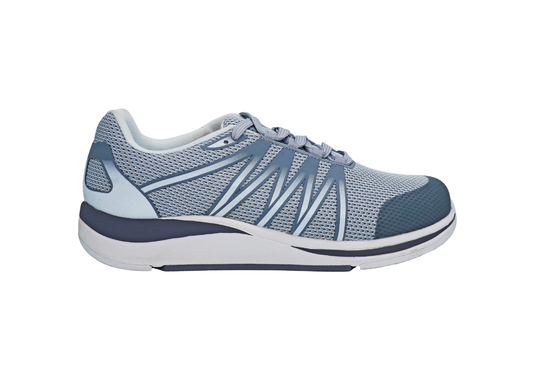

medlife shoes
Best Orthopedic Shoes India: Comprehensive Guide to Medlife Shoes for Foot Health
By Dr. Subramanyam Balaji, Ortho Shoes Corporation
Medlife shoes offer targeted support and cushioning for foot conditions such as diabetes, heel pain and arthritis. These orthopedic models are built to reduce discomfort and improve mobility. This guide explains Medlife features, how they support foot health, and which models suit specific needs to help you choose the right footwear.
What Are Medlife Shoes and How Do They Support Foot Health?
Medlife shoes are orthopedic footwear designed to support foot function using cushioning, stability and arch support. They lower pressure on vulnerable areas with a roomy toe box and structured soles, promoting correct alignment and reducing injury risk.
Clinical studies indicate that orthopedic interventions, including specialized footwear, can improve foot alignment and help prevent injuries.
Orthotic Inserts for Foot Alignment & Injury Prevention
It has been proposed that there is a link between foot shape, foot function and the occurrence of injury. As a means of treatment and prevention of further injury, orthoses and shoe inserts are widely prescribed in the belief that they can alter the pattern of lower extremity joints’ alignment and movement.
Biomechanical analysis of the effect of orthotic shoe inserts: a review of the literature, M Razeghi, 2000
Understanding Orthopedic Shoes and Their Medical Benefits
Orthopedic shoes support the foot's structure and function and are commonly prescribed for deformities, chronic pain or other medical issues. The key benefits of orthopedic shoes include:
- Improved Alignment: These shoes help maintain proper foot alignment, reducing strain on joints and ligaments.
- Enhanced Comfort: Cushioned soles and supportive structures provide comfort for extended wear.
- Injury Prevention: Stability and support help prevent injuries associated with foot conditions.
How Medlife Shoes Address Common Foot Conditions in India
Medlife models address conditions common in India—diabetes, heel pain and arthritis—by offering targeted features for each need.
Diabetic shoes use seamless interiors to reduce friction and ulcer risk, while heel-pain models prioritise arch support and cushioning to lower heel pressure. These focused designs support effective foot care.
Which Medlife Shoes Are Best for Diabetic Foot Care?
Correct footwear is vital for diabetic foot care. Medlife models include features aimed at reducing ulcer risk and protecting sensitive skin. Important diabetic footwear features are:
- Seamless Interior: Reduces friction and blisters.
- Wide Toe Box: Allows natural toe movement and lowers pressure.
- Cushioned Sole: Provides shock absorption and walking comfort.
Features of the Best Diabetic Footwear for Ulcer Prevention
The best diabetic footwear reduces ulcer risk through thoughtful construction. Key elements include:
- Extra Depth: Accommodates custom orthotics and foot swelling.
- Soft Materials: Minimize irritation and enhance comfort.
- Adjustable Straps: Provide a secure fit as foot size changes.
How Medlife Shoes Help Manage Diabetic Foot Complications
Designs that protect the skin and support proper mechanics help manage diabetic foot complications. Seamless, cushioned interiors reduce injury risk, while stable construction promotes correct foot mechanics—important for those at risk of ulcers or other diabetes-related problems.
The role of orthopedic management in preventing and treating diabetic foot complications is well supported in medical literature.
Orthopedic Management for Diabetic Foot Health
Diabetes Mellitus (DM) is a common medical condition affecting more than 6% of the world population. Besides well-known pathology like diabetic retinopathy and renal insufficiency, it carries important orthopedic implications, especially around the foot and ankle (diabetic foot). This article aims to provide the necessary knowledge to a better understanding and treatment of the diabetic foot.
Orthopedic aspects of the diabetic foot, PC Jutte, 2018
How Do Medlife Heel Pain Relief Shoes Alleviate Plantar Fasciitis?
Heel pain such as plantar fasciitis can limit activity. Medlife heel-pain models use targeted support and cushioning to reduce discomfort and improve function.
The key design elements include:
- Arch Support: Distributes weight evenly and reduces strain on the plantar fascia.
- Cushioned Sole: Absorbs shock and adds comfort during movement.
- Firm Heel Counter: Stabilizes the heel and limits excessive motion.
Key Design Elements for Heel Pain Support
Medlife heel-pain shoes combine arch support with cushioned midsoles to lower strain and enhance comfort. The design targets mechanical factors that contribute to plantar fasciitis.
Clinical Evidence Supporting Heel Pain Relief Footwear
Clinical studies show that specialized footwear can reduce heel pain and improve mobility. Evidence supports shoes designed with features for heel-pain relief, and further research reinforces their role in treating plantar fasciitis.
Shoes & Orthoses for Plantar Fasciitis Relief
Plantar fasciitis is one of the most common foot injuries. Several mechanical treatment options, including shoe inserts, ankle-foot orthoses, tape, and shoes are used to relieve the symptoms of plantar fasciitis. Objectives: To investigate the effectiveness of mechanical treatment in the management of plantar fasciitis.
Effectiveness of mechanical treatment for plantar fasciitis: a systematic review, K Postema, 2019
What Are the Benefits of Arthritis Footwear from Medlife in India?
Arthritis can limit mobility and cause pain. Medlife offers shoes designed to support arthritic feet with features that increase comfort and reduce joint stress.
The benefits of arthritis footwear include:
- Orthopedic Features: Built-in arch support and cushioned soles to alleviate joint pressure.
- Wide Toe Box: Accommodates swelling and improves comfort.
- Shock Absorption: Reduces impact on joints during movement.
Orthopedic Features That Support Arthritic Joints
Medlife's cushioning and structured support reduce joint pressure and improve mobility for people with arthritis. The combined design creates a comfortable, supportive environment for the feet.
Customer Testimonials on Arthritis Footwear Effectiveness
Many users report meaningful improvements in comfort and mobility after switching to Medlife arthritis footwear, often noting reduced pain and better overall foot health.
For men seeking targeted support, men's orthopedic shoes provide focused relief and improved comfort.
Similarly, women's orthopedic shoes deliver tailored support and cushioning for various foot conditions.
If discomfort persists, consider heel pain shoes for targeted relief and support.
Frequently Asked Questions
1. How do I choose the right size for Medlife shoes?
Correct sizing is essential. Measure your feet at the end of the day when they are largest, noting length and width, and compare with Medlife's size chart. Try shoes with the socks you plan to wear. If you have foot conditions, ask a healthcare professional for personalised sizing advice.
2. Can Medlife shoes be worn for sports or physical activities?
Medlife shoes are intended for daily comfort and some light activities. They are not purpose-built athletic shoes. For sports or high-impact exercise, choose activity-specific footwear and consult a clinician or footwear specialist about suitability.
3. How often should I replace my Medlife shoes?
Replacement depends on wear. Replace orthopedic shoes every 6–12 months, or sooner if soles flatten, cushioning weakens, or new discomfort appears. Inspect shoes regularly and consult a healthcare professional for condition-specific guidance.
4. Are Medlife shoes suitable for all foot types?
Medlife shoes accommodate many foot types—flat feet, high arches and wide feet—using adjustable features and a roomy toe box. For severe deformities or specific medical conditions, consult a healthcare professional. Custom orthotics may be advised for optimal support.
5. What materials are used in Medlife shoes?
Medlife uses materials that balance comfort and durability: breathable mesh for ventilation, soft leather or synthetic uppers for flexibility, cushioned insoles for shock absorption, and rubber or EVA soles for traction and support. These components create a supportive environment for varied foot health needs.
6. Can I use custom orthotics with Medlife shoes?
Yes. Many models accept custom orthotics due to extra depth and a wide toe box. Ensure the chosen model has enough space and consult your healthcare provider or a footwear specialist to confirm compatibility for best support and comfort.
7. Where can I purchase Medlife shoes?
Medlife shoes are available online through the official website and authorised retailers. Buy from reputable sellers to ensure authenticity. Some physical stores stock Medlife so you can try shoes before buying; check return policies and customer reviews before purchase.
