
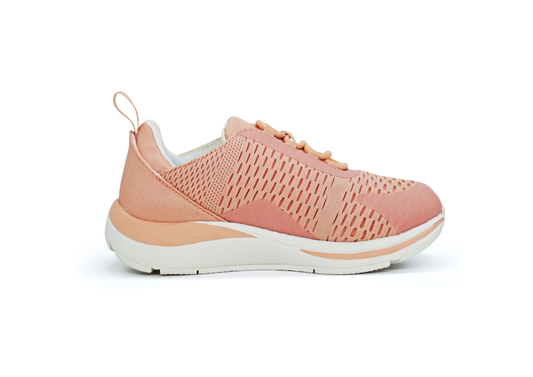
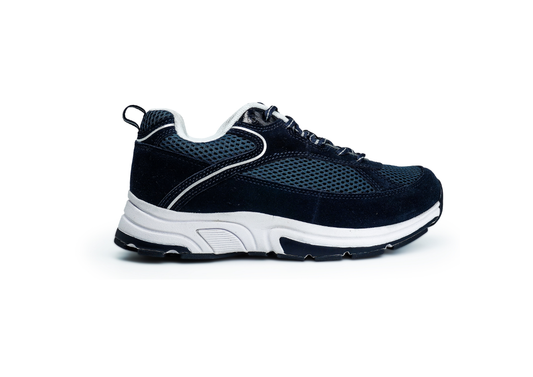

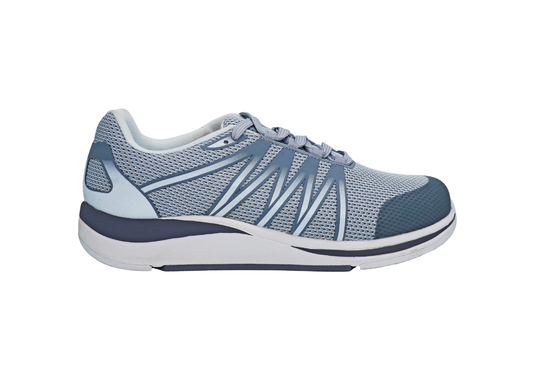

orthopedic shoe store
Orthopedic Shoe Store India: Expert Guide to Foot Pain Relief and Diabetic Footwear
By Dr. Subramanyam Balaji, Ortho Shoes Corporation
Selecting appropriate footwear is essential for people with foot pain, diabetes or arthritis. Orthopedic shoes offer targeted support, cushioning and stability to reduce discomfort and improve mobility. This guide summarises core features, indications and practical buying guidance, and notes reputable options available in India including Ortho Shoes.
Diabetic foot care in India has important gaps that specialised footwear can help address.
Diabetic Foot Care Challenges in India
India has the highest number of people with diabetes in the world. Diabetic foot care is one of the most ignored aspects of diabetes care in India. Due to social, religious, and economic compulsions, many people walk barefoot. Poverty and illiteracy lead to usage of inappropriate foot wear and late presentation of foot lesions.
Diabetic foot problems in India: an overview and potential simple approaches in a developing country, 2008
When to Choose Orthopedic Footwear
Consider orthopedic footwear for persistent foot pain, structural problems or when you are at higher risk of foot injury—common reasons include diabetes, arthritis, plantar fasciitis and chronic heel pain. If you have ongoing pain, swelling or difficulty walking, seek professional assessment to match shoe features to your needs.
Research into footwear habits in India highlights the need for education and better access to appropriate shoes.
Footwear Practices & Complications in Indian Diabetics
We assessed 300 diabetic and 100 age- and sex-matched controls for correlating foot wear practices and foot care knowledge and the presence of foot complications. In the diabetes category, 44.7% patients had not received previous foot care education. 0.6% walked barefoot outdoors and 45% walked barefoot indoors.
Footwear and foot care knowledge as risk factors for foot problems in Indian diabetics, D Singh, 2008
Key Features of Orthopedic Footwear
Effective orthopedic shoes combine stability, arch support, shock absorption and a roomy toe box to protect tissue and improve gait mechanics. Evaluate each product for these clinical design elements before buying.
| Feature | Description | Benefit |
|---|---|---|
| Stable heel counter | Provides support and stability for the heel | Reduces the risk of ankle injuries |
| Arch support | Supports the natural arch of the foot | Alleviates pressure on the foot |
| Shock absorption | Cushioned soles that absorb impact | Minimizes stress on joints and ligaments |
| Roomy toe box | Allows for natural toe movement | Prevents discomfort and blisters |
For medically oriented options, Ortho Shoes offers diabetic and orthopedic models designed to reduce pain and support daily activity.
Recommended Brands in India
Several established Indian brands provide orthopedic footwear across price points; check materials, fit and return policies before buying.
- Bata: Widely available comfortable and supportive shoes.
- Liberty: Offers orthopedic designs for men and women.
- Paragon: Affordable, durable options for everyday use.
- DiabeticShoe.in: Focused on diabetic footwear and comfort.
Choose manufacturers with consistent quality and clear sizing guidance to improve outcomes.
Expert Recommendations
Clinicians recommend cushioning, firm arch support and slip-resistant soles, plus a secure fit with adequate toe room. For personalised choices, consult a podiatrist or orthopaedic specialist who can match shoes to your foot mechanics.
Shopping Tips
Use these checks when buying orthopedic footwear to ensure clinical fit and comfort.
- Fit checks: Try shoes late in the day and with the socks you plan to wear.
- Consult specialists: Seek advice from healthcare professionals or trained fitters when possible.
- Focus on function: Prioritise support and protection over style alone.
These simple steps reduce the risk of purchase errors that can worsen symptoms.
What Are the Benefits of Orthopedic Footwear for Foot Pain?
Orthopedic shoes redistribute pressure, improve load distribution and often improve circulation in affected areas. Proper fit lowers pain, enhances walking ability and reduces the chance of secondary complications.
How Do Orthopedic Shoes Support Conditions Like Arthritis and Plantar Fasciitis?
They promote joint alignment, absorb shock and limit repetitive stress on soft tissues. A roomy toe box and a stable sole reduce irritation and allow more comfortable movement with inflamed joints.
What Features Make Orthopedic Shoes Effective for Heel Pain Relief?
Targeted features for heel pain include strong arch support, cushioned midsoles for shock absorption and supportive heel counters that stabilise the heel to reduce strain.
- Arch support: Maintains alignment and reduces heel strain.
- Cushioned soles: Absorb impact during walking.
- Heel counters: Stabilise the heel and limit excessive motion.
How to Choose the Best Orthopedic Shoes for Diabetes and Arthritis?
Look for structural support, shock-absorbing midsoles and a roomy toe area. Prefer brands with medical-grade features and follow fitting guidance to ensure protection and comfort.
- Key features: Cushioning, arch support, roomy toe box.
- Recommended brands: Consider reputable makers noted above.
- Fitting tips: Allow modest toe space while ensuring secure support.
These criteria increase the chance of symptom reduction and safer foot health over time.
What Should You Look for in Diabetic Shoes Online in India?
Online, check product specifications for arch support, cushioning and non-slip soles. Confirm materials are breathable to lower moisture and infection risk, and use sizing charts plus customer reviews to verify fit.
- Features: Arch support, cushioning, non-slip sole.
- Materials: Breathable uppers to limit moisture.
- Sizing tips: Compare measurements and review customer fit notes.
Proper product checks help you balance protection, comfort and daily usability.
Diabetic footwear design aims to prevent pressure points and reduce complication risk while keeping ergonomic comfort.
Diabetic Footwear Design for Complication Prevention
In summary, general footwear design criteria for diabetic patients, review the current diabetic footwear design, and prevention system of the diabetic aspect.
Design specifications of proper footwear to prevent diabetic complications and enhance ergonomic comfort, AW Moustafa, 2021
How Do Arthritis Footwear Solutions Improve Mobility and Comfort?
Arthritis footwear combines support, cushioning and space for deformities to reduce joint stress, stabilise gait and lower pain during daily activities, helping maintain independence.
Which Orthopedic Shoe Types Are Available for Men and Women in India?
Options include men's and women's orthopedic shoes plus specialised diabetic models; designs adjust support and fit to anatomical differences and clinical needs.
- Men's: Wider lasts and support adapted to male anatomy.
- Women's: Narrower proportions and varied styles with medical features.
- Diabetic: Extra protection, cushioning and breathable materials.
These categories make it easier for both men and women to find clinically appropriate footwear.
What Are the Key Differences Between Men's and Women's Orthopedic Shoes?
Primary differences concern width, fit and proportions; men’s models are typically broader, while women’s are narrower and styled differently, but both provide comparable support.
How Do Heel Pain Relief Shoes Differ Across Collections?
Collections vary by emphasis—some focus on arch reinforcement, others on cushioning or specialised heel counters—so compare materials and technologies to match your pain profile.
- Design & support: Varies between arch-focused and cushioning-focused lines.
- Targeted features: Extra padding, reinforced heels or specialised midsoles.
- Brand differences: Each brand may use distinct materials or proprietary designs.
Compare collections to choose the one that best meets your clinical needs.
Where Can You Find Trusted Orthopedic Shoe Stores in India?
Look for stores specialising in medical footwear that offer fitting services, clear return policies and verified reviews; both online retailers and local clinics can be good sources.
- Reputable stores: Specialist retailers with trained staff.
- Online options: Convenient choice with full product details and reviews.
- Local availability: Try local clinics or suppliers for hands-on fitting.
Using these resources increases the chance of a proper fit and clinically appropriate selection.
What Makes Ortho Shoes a Reliable Source for Orthopedic Footwear?
Ortho Shoes focuses on clinical design features, using quality materials and targeted support to address common foot problems and improve function for users with specific health needs.
How Do Customer Testimonials Reflect Product Effectiveness?
Testimonials often report improved comfort, reduced pain and better daily function; use them alongside clinical advice and product specifications when evaluating shoes.
Frequently Asked Questions
What are the common misconceptions about orthopedic shoes?
Orthopedic shoes are not only for older adults or severe deformities; they benefit anyone with mechanical foot issues. Modern options often combine medical features with contemporary styles.
How can I determine the right size for orthopedic shoes?
Measure both feet at the end of the day, use the brand's sizing chart and try shoes with the socks you will wear. Online shoppers should read fit feedback from other customers.
Are there specific care instructions for orthopedic footwear?
Wipe shoes clean, avoid excessive heat or sunlight, replace insoles when cushioning fades, and store shoes in a cool, dry place to preserve support.
Can orthopedic shoes be customized for individual needs?
Many manufacturers accept custom orthotics or offer width adjustments; consult a podiatrist to decide whether custom insoles or alterations are appropriate.
What should I do if my orthopedic shoes cause discomfort?
Confirm size and fit, break them in gradually, and if discomfort persists, consult a healthcare professional who may suggest adjustments or a different model.
How often should I replace my orthopedic shoes?
Replace shoes every 6–12 months depending on wear; watch for worn soles, reduced cushioning or loss of support as signs to replace them.
Are there any financial assistance programs for purchasing orthopedic shoes?
Some health insurance plans, government schemes or non-profit programmes may offer partial support—check with your healthcare provider or local services for options.
