
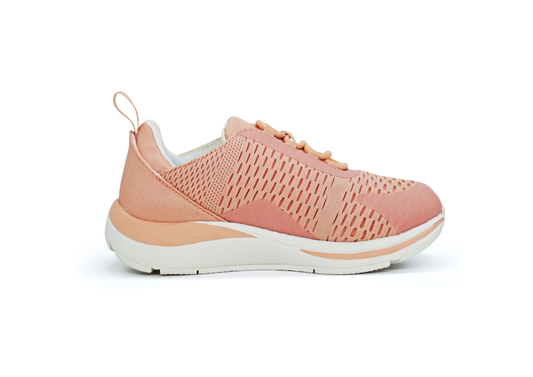
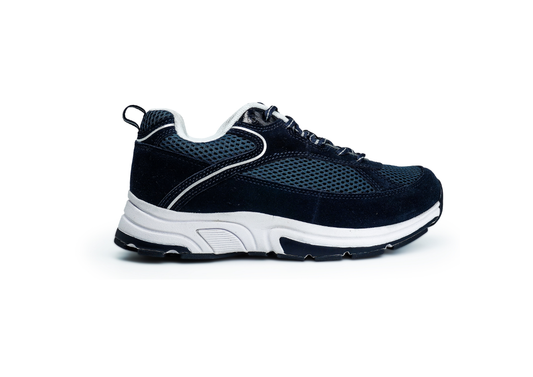

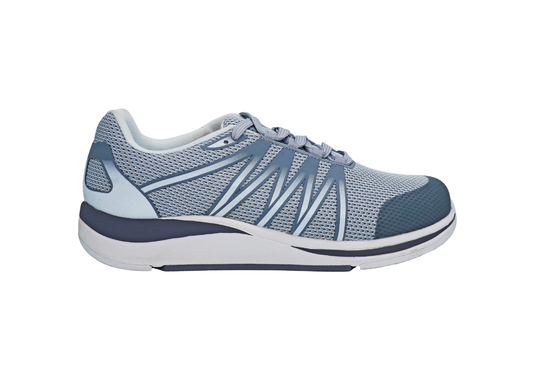

best shoes for back pain
Best Orthopedic Shoes for Back Pain Relief: Expert Guide to Comfortable Spinal Support
By Dr. Subramanyam Balaji, Ortho Shoes Corporation
Choosing the right footwear is essential for people with back pain. Appropriate shoes can reduce discomfort and restore mobility. This guide examines orthopedic shoes that target back pain, outlines key features and clinical benefits, and explains how they can improve daily function. Many cases of chronic back pain are worsened by unsuitable footwear. Orthopedic shoes address this with targeted support and cushioning. We describe how these shoes work, list features to prioritise, and offer recommendations for common back conditions, with user reports of symptom relief.
How Do Orthopedic Shoes Alleviate Back Pain?
Orthopedic shoes help reduce back pain by supporting the foot in ways that promote spinal alignment. Key mechanisms include structured arch support and effective cushioning that guide the foot’s mechanics. By distributing weight more evenly, these shoes lower spinal load, reduce strain on the lower back, improve posture, and make daily activities easier.
The Role of Arch Support in Spinal Alignment
Arch support helps preserve the spine’s natural curve and decreases muscle strain. Options such as contoured insoles or integrated arch supports offer varying levels of correction to suit individual needs. Proper arch support improves comfort and helps prevent recurring back pain by encouraging a healthier gait.
Cushioning and Its Impact on Posture and Pain Reduction
Cushioning absorbs impact and protects the spine during movement. Materials like memory foam and gel are commonly used to dampen shock and support the foot’s biomechanics. Effective cushioning reduces excessive pressure on the spine and joints, which often translates to less pain and a greater ability to stay active throughout the day.
Which Features Define the Best Shoes for Lower Back Pain?
When assessing shoes for lower back pain, focus on features that deliver measurable support and comfort. These elements ensure the footwear addresses the mechanical causes of pain.
- Cushioning: Look for ample cushioning to absorb shock and reduce impact on the spine.
- Arch Support: Proper arch support is crucial for maintaining spinal alignment and preventing strain.
- Ergonomic Design: Choose shoes that promote natural foot movement and stability.
Ergonomic Design Elements for Back Problem Comfort
Ergonomic features increase stability and lower injury risk for people with back problems. A stable midsole, consistent arch support, and a secure heel counter stabilise the foot. Together these features support longer periods of standing or walking with less discomfort.
Materials and Construction That Enhance Support and Durability
Material choice and construction determine both support and lifespan. Breathable uppers and durable outsoles maintain comfort and structural integrity over time. Well-made shoes retain their supportive properties under regular use, making them a practical investment for managing back pain.
How to Choose Comfortable Shoes for Specific Back Conditions?
Select shoes by matching footwear features to the mechanical needs of a given condition. Different types of back pain require different levels of cushioning, support, and flexibility.
Selecting Shoes for Sciatica and Herniated Discs
For sciatica or herniated discs, prioritise responsive cushioning and reliable arch support. A soft, flexible sole helps absorb shock and reduce load on the lower back. A wider toe box can accommodate swelling and improve overall comfort.
Footwear Recommendations for Arthritis and Heel Pain
When managing arthritis or heel pain, choose shoes with extra padding and supportive insoles to offload sensitive areas. Brands like Ortho Shoes offer designs that blend functional support with wearable styles for these conditions.
What Do Customers Say About Orthopedic Shoes for Back Pain?
Customer feedback offers practical evidence of how orthopedic shoes perform in everyday life. Many users report measurable improvements in comfort and mobility after switching to supportive footwear.
User Testimonials Highlighting Pain Relief and Posture Improvement
Users commonly report reduced discomfort and better posture after adopting orthopedic shoes. Improved arch support and cushioning are frequently cited as factors that decrease back pain during routine activities. These accounts reinforce the value of investing in quality, supportive footwear.
Case Studies Demonstrating Long-Term Benefits
Case studies indicate that regular use of properly fitted orthopedic shoes can produce lasting benefits, such as improved posture and lower pain levels. These findings support the role of appropriate footwear in long-term management of back conditions and overall spinal health.
| Feature | Description | Benefit |
|---|---|---|
| Arch Support | Contoured insoles that support the foot's natural arch | Promotes spinal alignment and reduces strain |
| Cushioning | Soft materials that absorb shock during movement | Enhances comfort and reduces impact on the spine |
| Ergonomic Design | Shoes designed to fit the natural shape of the foot | Provides stability and prevents injury |
This table summarises the core features of orthopedic shoes and the direct benefits they provide for back pain relief.
For men seeking relief, men's orthopedic shoes deliver targeted support and cushioning designed for male foot shapes.
Similarly, women can find tailored solutions in women's orthopedic shoes, crafted to address common foot and back pain concerns.
Individuals with diabetes may benefit from diabetic footwear, which adds protective features and supportive design for sensitive feet.
Those experiencing heel pain can explore heel pain shoes, designed to reduce pressure and discomfort at the heel.
Frequently Asked Questions
1. Can orthopedic shoes be worn for activities other than walking?
Yes. Many orthopedic shoes are suitable for light jogging, prolonged standing, and casual use. Choose a model that matches the activity’s demands to ensure the necessary support and to minimise injury risk.
2. How do I know if I need orthopedic shoes?
If you have chronic back pain, persistent foot pain, difficulty balancing, or conditions like flat feet or high arches, orthopedic shoes may help. A consultation with a healthcare professional can confirm whether this footwear is appropriate for your needs.
3. Are orthopedic shoes stylish, or do they look bulky?
Modern orthopedic shoes come in a range of styles that balance comfort with contemporary design. Advances in materials and construction mean you can find supportive shoes that also meet aesthetic preferences.
4. How often should I replace my orthopedic shoes?
Replace orthopedic shoes every 6 to 12 months depending on wear and activity level. Signs to replace include worn soles, diminished cushioning, or reduced support that could worsen back pain.
5. Can I use custom orthotics with orthopedic shoes?
Yes. Many orthopedic shoes are designed to accept custom orthotics. Ensure the shoe has sufficient depth and a removable insole if you plan to use personalised orthotic inserts.
6. Are there specific brands known for quality orthopedic shoes?
Several reputable brands, such as New Balance, Brooks, and OrthoFeet, are known for combining support, comfort, and style. Review product specifications and user feedback to find the best match for your requirements.
7. How can I ensure a proper fit for orthopedic shoes?
Measure your feet later in the day when they are most swollen, wear the socks you’ll normally use, and walk in the shoes to assess comfort. Look for a secure but non‑restrictive fit and adequate toe-box room; professional fitting services can help if needed.
