
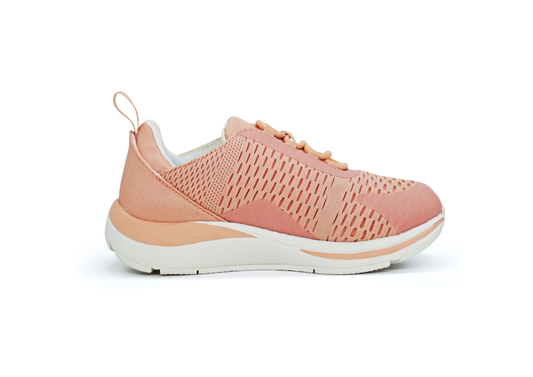
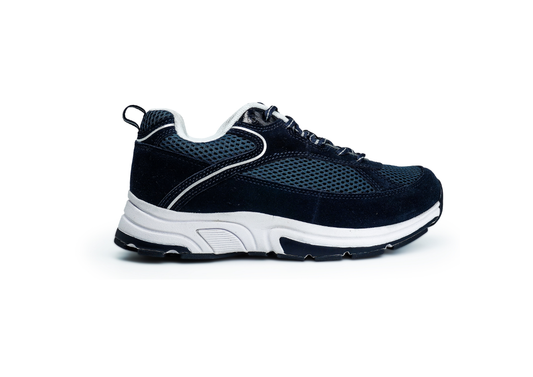

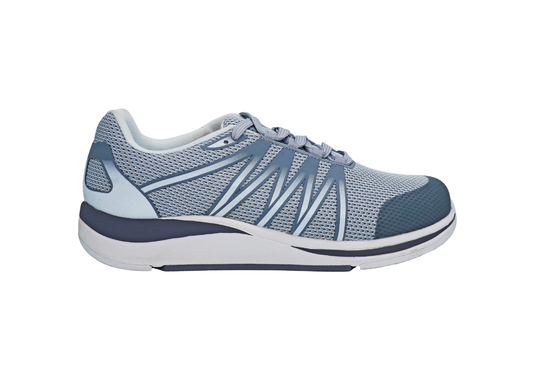

ortho shoes for women
Best Orthopedic Footwear for Women: Expert Guide to Choosing Comfortable Shoes for Foot Pain
By Dr. Subramanyam Balaji, Ortho Shoes Corporation
Choosing the right footwear is vital for women who experience foot pain or discomfort. Orthopedic shoes are designed to support foot structure, reduce pain and improve biomechanics. This guide summarises benefits, key features for common conditions, and practical tips to help you pick shoes that protect long‑term foot health.
Footwear choice is a notable external factor linked to plantar fasciitis in women.
Footwear & Plantar Fasciitis Risk in Women
Risk factors for plantar fasciitis are divided into intrinsic and extrinsic categories. Intrinsic factors include age, gender and body mass index (BMI), while extrinsic factors include shoe choice and time spent standing. The review concluded that a high BMI is the dominant intrinsic factor; conversely, shoe use and prolonged standing were the main external contributors to plantar fasciitis.
The efficacy of shoes modification and orthotics in hallux valgus deformity: a comprehensive review of literature, MF Surace, 2024
What Are the Key Benefits of Orthopedic Shoes for Women?
Orthopedic shoes provide focused comfort and structural support to reduce pain, improve mobility and limit progression of foot problems. Core benefits include:
- Support Features: Built-in arch support distributes weight and reduces strain.
- Pain Relief: Many wearers report reduced symptoms from plantar fasciitis and bunions.
- Long-Term Health: Consistent use can slow or prevent worsening foot conditions.
For therapeutic options, Ortho Shoes offers comfort-focused footwear intended to reduce pain and support foot health.
How Do Orthopedic Shoes Alleviate Common Foot Conditions?
These shoes change pressure patterns and provide cushioning and stability to protect sensitive tissue. They are useful for conditions such as:
- Plantar Fasciitis: Arch support and cushioning reduce strain on the plantar fascia.
- Bunions: A roomy toe box reduces pressure and allows a more natural toe position.
- Diabetes: Diabetic styles add protection, softer linings and pressure relief to lower injury risk.
Evidence-based reviews identify the key footwear attributes to manage bunion discomfort.
Essential Footwear Features for Bunions
A careful literature analysis recommends shoes with adequate length, a wide toe box, a cushioned sole and a lowered heel so the load on the metatarsal heads is not increased. Personalized 3D‑printed toe spreaders can be applied in patients with hallux valgus to improve symptoms and provide pain relief.
The efficacy of shoes modification and orthotics in hallux valgus deformity: a comprehensive review of literature, MF Surace, 2024
What Materials and Features Ensure Maximum Comfort and Support?
Shoe construction matters: reliable arch support, cushioned midsoles and breathable uppers are central to comfort and injury prevention. Key components include:
- Arch Support: Maintains alignment and reduces fatigue.
- Cushioned Midsoles: Absorb shock and protect joints.
- Breathable Materials: Reduce moisture, blisters and skin issues.
Which Orthopedic Shoes Are Best for Specific Foot Pain in Women?
Different designs suit different problems. Below are commonly recommended models and their intended benefits.
What Are the Top Shoes for Plantar Fasciitis Relief in Women?
Models often recommended for plantar fasciitis emphasise arch support and heel cushioning:
- Ortho Shoes Comfort Walker: Strong arch support and cushioned midsole to ease heel pain.
- Ortho Shoes Active Fit: Flexible sole with a padded collar for longer comfort.
- Ortho Shoes Classic Loafer: Everyday style with supportive construction.
How to Select Women’s Diabetic Shoes for Optimal Foot Care?
For diabetes, prioritise pressure reduction, soft interiors and adjustable fit. Important features include:
- Wide Toe Box: Reduces pressure and friction on toes.
- Soft Linings: Minimise irritation and blister risk.
- Adjustable Straps: Allow fit changes for swelling.
Proper fit — including an appropriate toe gap — is essential to prevent diabetes‑related complications.
Diabetic Footwear Fit: Importance of Toe Gap
Adequate footwear fit is critical to preventing diabetes-related foot ulcers. One key element is the toe gap, the difference between foot length and the internal footwear length. The review summarised methods used to measure foot and internal footwear length, identified ambiguities that can affect toe gap assessment in clinical practice, and suggested pragmatic solutions.
Toe gaps and their assessment in footwear for people with diabetes: a narrative review, P Jones, 2020
Recommended diabetic collections include Ortho Shoes, which focuses on comfort and protective design. Diabetic footwear selections should list fit and protective features clearly.
How to Choose the Right Orthopedic Shoes for Women’s Foot Health?
Start by assessing symptoms and foot shape. Match arch type and cushioning needs to shoe features. Try shoes later in the day when feet are slightly swollen to ensure a proper fit.
- Proper Arch Support: Match support to flat, neutral or high arches.
- Cushioned Midsoles: Ensure adequate shock absorption.
- Fit Guidelines: Confirm toe space and heel security without pinching.
What Factors Should Women Consider When Buying Orthopedic Footwear?
Focus on fit, support and material quality. Shoes should fit comfortably, support the arch, and use breathable, flexible materials for durability and skin health.
- Fit: Snug but not tight; allow natural movement.
- Arch Support: Prevents excess strain and pain.
- Materials: Breathable, flexible and durable fabrics or leathers.
How Do Shoe Design and Fit Impact Arthritis Pain Management?
Design and fit influence joint load and comfort. Proper support and cushioning reduce stress on arthritic joints, while a wide toe box preserves toe alignment and comfort.
- Importance of Arch Support: Reduces pressure on knees and hips by improving alignment.
- Cushioned Soles: Help absorb impact and ease walking.
- Wide Toe Box: Allows natural toe movement and reduces irritation.
Where Can Women Find Trusted Orthopedic Shoes for Foot Pain Relief?
Choose specialised brands and retailers that provide clear product specifications, sizing guidance and any clinical endorsements. This helps ensure therapeutic benefit.
What Are the Recommended Brands and Collections for Women’s Orthopedic Shoes?
Notable options include:
- Ortho Shoes: Therapeutic footwear focused on comfort and support.
- New Balance: Known for supportive athletic models.
- Skechers: Offers comfortable, casual orthopedic styles.
How Do Customer Testimonials and Doctor Recommendations Support Shoe Selection?
User reviews show real‑world comfort and durability; clinician recommendations help match shoes to medical needs. Use both sources to find models that suit your symptoms and daily activities.
Frequently Asked Questions
What should I look for in orthopedic shoes for everyday wear?
Prioritise arch support, a cushioned midsole and a breathable upper. Ensure the shoe fits well without pinching so your foot can move naturally.
Can orthopedic shoes help with knee or back pain?
Yes. Good footwear improves foot alignment and can reduce abnormal forces on knees and the lower back. Consult a professional for persistent pain.
How often should I replace my orthopedic shoes?
Replace them every 6–12 months depending on wear, activity and the return of symptoms. Signs include compressed midsoles or visible sole wear.
Are there specific orthopedic shoes for high arches?
Yes. Look for enhanced arch support, extra cushioning and a contoured footbed; a firm heel counter improves stability.
What role do insoles play in orthopedic footwear?
Insoles add targeted support, cushioning and improved alignment. Custom orthotics or quality over‑the‑counter insoles can address flat feet, high arches and pressure points.
Can I wear orthopedic shoes for sports or physical activities?
Yes. Athletic orthopedic models combine performance design with extra support, cushioning and stability suited to specific activities.
How do I know if orthopedic shoes are right for me?
If you have chronic foot pain, plantar fasciitis, bunions or diabetes‑related concerns, orthopedic shoes may help. For personalised advice, see a podiatrist or healthcare professional.
