


plantar fasciitis footwear
Best Orthopedic Shoes for Heel Pain: Effective Plantar Fasciitis Footwear Solutions
By Dr. Subramanyam Balaji, Ortho Shoes Corporation
Plantar fasciitis causes heel pain when the plantar fascia, the thick band under the foot, becomes inflamed. This guide summarizes footwear strategies to reduce that pain, explains essential shoe features and benefits, and gives practical recommendations. Understanding plantar fascia anatomy and appropriate support can improve comfort and mobility. We also highlight trusted orthopedic footwear in India, including a closer look at Ortho Shoes' collections.
Clinical research shows mechanical treatments, including specialized footwear, can effectively manage plantar fasciitis symptoms.
Effectiveness of Orthopedic Shoes & Inserts for Plantar Fasciitis
Plantar fasciitis is a common foot injury. Mechanical options such as shoe inserts, ankle-foot orthoses, tape, and supportive shoes are used to relieve symptoms. This review evaluated the effectiveness of mechanical treatments for managing plantar fasciitis.
Effectiveness of mechanical treatment for plantar fasciitis: a systematic review, K Postema, 2019
Key Features
Look for shoes that combine these core design elements to reduce heel pain:
- Excellent Arch Support: Supports the arch and redistributes pressure on the foot.
- Cushioned Sole: Absorbs shock to reduce impact during walking or standing.
- Firm Heel Counter: Stabilizes the heel and limits harmful motion.
These features together create a more supportive environment for healing and daily use.
Benefits
Well-designed orthopedic shoes can provide:
- Pain Relief: Reduced heel pain and more comfortable movement.
- Shock Absorption: Protection for the foot and nearby joints.
- Improved Alignment: Better foot posture that can ease plantar fascia strain.
Overview of Ortho Shoes Heel Pain Collection and Diabetic Footwear
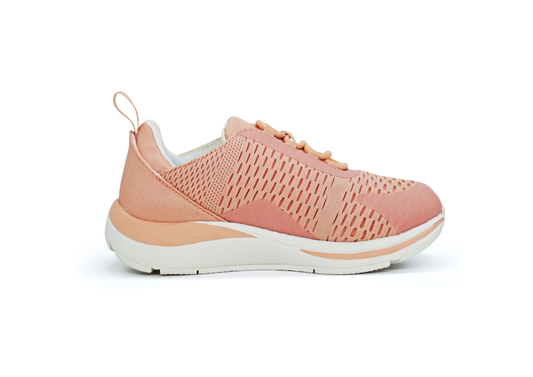
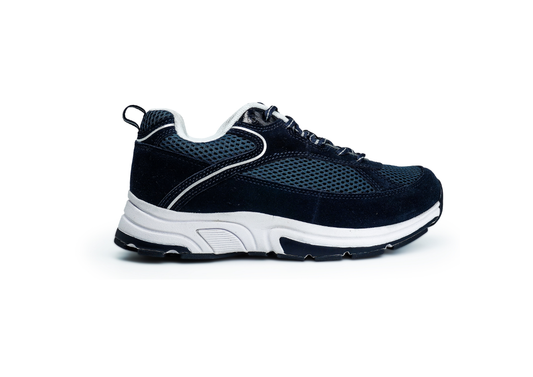
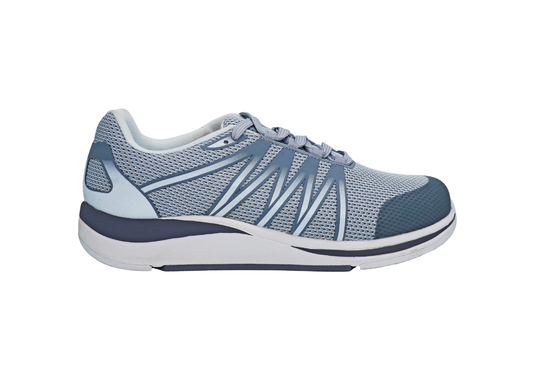
Ortho Shoes offers a focused range for heel pain and related conditions. Their men's and women's models emphasize support and comfort. The collection includes diabetic footwear, heel pain shoes, and arthritis footwear designed to improve mobility and reduce discomfort.
Recommendations
When selecting footwear for plantar fasciitis, consider:
- Daily Footwear Options: Prefer shoes designed for all-day support and comfort.
- Professional Fitting Advice: A specialist can help match shoe features to your feet.
- Custom Orthotics: Use custom inserts when additional, personalized support is needed.
Further studies emphasize continuous support and note that orthotic sandals may extend relief when shoes are impractical.
Orthotics & Orthotic Sandals for Plantar Fasciitis Relief
Plantar fasciitis affects about 10% of the population. Prefabricated orthotics with arch support have been shown to relieve symptoms by reducing repetitive stress on the plantar fascia. Because prefabricated orthotics work only when worn in shoes, the foot can be left unsupported at home. Using orthotic sandals along with prefabricated orthotics may extend the period of support and increase symptom relief.
Use of orthotics with orthotic sandals versus the sole use of orthotics for plantar fasciitis: Randomised controlled trial, 2023
What Causes Plantar Fasciitis and How Does Footwear Help?
Plantar fasciitis commonly arises from overuse, poor footwear, or biomechanical issues. Appropriate shoes reduce strain by providing targeted support and cushioning, which can relieve symptoms and lower the risk of further injury.
Understanding Plantar Fascia Anatomy and Heel Pain
The plantar fascia connects the heel bone to the toes and supports the arch. When inflamed it causes heel pain during weight-bearing activities. Good footwear reduces tension on this structure and supports recovery.
A clear understanding of plantar fascia biomechanics helps explain why some cases can be resistant to treatment.
Plantar Fasciitis: Biomechanics & Treatment Resistance
The paper outlines anatomical and biomechanical characteristics of the plantar fascia that may contribute to its resistance to treatment.
The plantar fascia as a source of pain—biomechanics, presentation and treatment, 2004
How Orthopedic Shoes Alleviate Plantar Fasciitis Symptoms
Orthopedic shoes address symptoms mainly by supporting the arch, cushioning the sole, and stabilizing the heel. These elements reduce repetitive strain and help improve comfort during daily activities.
- Supportive Arch: Maintains natural arch form and lowers stress on the fascia.
- Cushioned Soles: Dampen impact while walking or standing.
- Stabilizing Heel Counter: Limits harmful heel motion.
Which Features Make Shoes Ideal for Plantar Fasciitis Relief?
Essential attributes include solid arch support, effective cushioning, and a roomy toe box to allow natural toe movement. Prioritize these when trying shoes for relief.
Role of Arch Support and Heel Cushioning in Foot Pain Relief
Arch support redistributes load; heel cushioning reduces impact. Together they decrease pain and lower injury risk.
Benefits of Shock Absorption and Comfortable Materials
Shock-absorbing midsoles and breathable, comfortable uppers protect joints and allow longer, irritation-free wear—important for daily use.
How to Choose the Right Orthopedic Shoes for Heel Spurs and Plantar Fasciitis?
Focus on fit and function. Practical tips:
- Key Features to Look For: Arch support, cushioning, and a firm heel counter.
- Fitting Guidelines: Allow slight toe room while ensuring a secure heel fit; try shoes later in the day for best results.
Selecting Shoes Based on Foot Condition and Activity Level
Match support to your condition and activity: flat feet often need stronger arch support; high-impact activities call for greater cushioning.
Tips for Ensuring Proper Fit and Long-Term Comfort
Measure feet periodically and choose breathable materials to reduce moisture and improve comfort over time.
Where to Find Trusted Orthopedic Footwear for Plantar Fasciitis in India?
Ortho Shoes is an Indian brand specialising in therapeutic footwear to reduce foot pain and improve mobility. Their range includes men’s and women’s orthopedic shoes, diabetic footwear, heel pain models, and arthritis footwear.
Customer Testimonials and Doctor Recommendations
User testimonials and clinician endorsements commonly report improved comfort and mobility after switching to supportive orthopedic shoes. Healthcare professionals often recommend them as part of conservative care.
For targeted heel relief, see heel pain shoes. Individuals with arthritis may prefer specialised arthritis footwear. Explore mens shoes orthopedic for options tailored to men.
Frequently Asked Questions
What are the common symptoms of plantar fasciitis?
Typical signs are sharp heel pain with first steps in the morning or after rest, stiffness, and pain that returns after long standing or walking. Early recognition helps you pursue appropriate treatment and footwear.
Can I wear orthopedic shoes for activities other than walking?
Yes. Many orthopedic shoes suit light jogging, prolonged standing, and casual use; choose a model rated for the intended activity to ensure adequate cushioning and support.
How often should I replace my orthopedic shoes?
Replace shoes every 6 to 12 months depending on wear. Replace sooner if cushioning or support declines or the sole shows visible wear.
Are there specific brands known for quality orthopedic shoes?
Brands recognised for supportive designs include Ortho Shoes and several athletic makers; compare specifications and reviews to find the best fit.
Can custom orthotics improve the effectiveness of orthopedic shoes?
Yes. Custom orthotics can provide personalised support to redistribute pressure and improve alignment. Consult a professional to determine if they are appropriate.
What should I look for when trying on orthopedic shoes?
Check arch support, cushioning, secure heel fit, and a roomy toe box. Walk in the shoes to assess comfort and try them later in the day when feet may be slightly swollen.
Is it necessary to consult a doctor before buying orthopedic shoes?
Not always, but consult a doctor or podiatrist if you have chronic pain or a specific foot condition; a professional can recommend the best features and products.
