
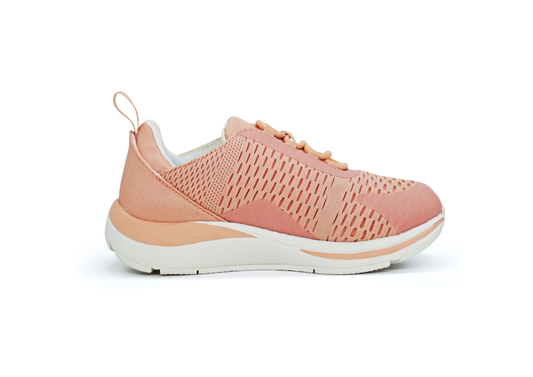
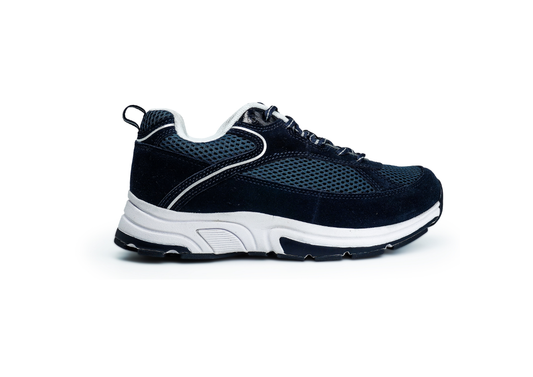

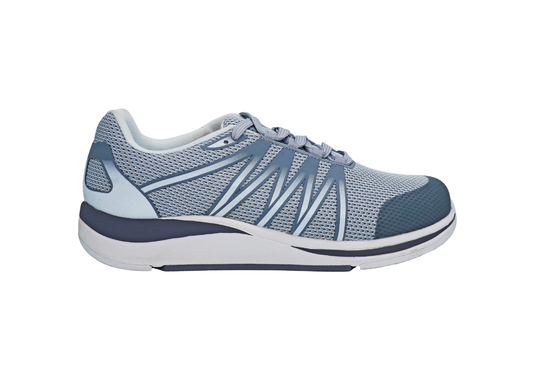

orthopedic footwear
Best Orthopedic Shoes in India: Expert Guide to Comfortable Footwear for Foot Health
By Dr. Subramanyam Balaji, Ortho Shoes Corporation
Orthopedic footwear supports foot health for people with pain or mobility issues. These shoes are engineered to maintain structure, reduce discomfort, and improve walking efficiency. This guide summarises core design features, benefits for common foot conditions (including diabetic and arthritic care), and practical advice to choose the right pair.
What Are Orthopedic Shoes and How Do They Support Foot Health?
Orthopedic shoes are built to support foot anatomy and reduce mechanical stress. They accommodate different foot shapes and conditions to promote alignment, redistribute weight, and lower pressure on vulnerable areas, which often improves mobility and daily comfort.
Benefits for Various Foot Conditions
Orthopedic shoes offer targeted cushioning, structural support, and protection to address specific clinical problems and improve function.
- Chronic Foot Pain Relief: Cushioning and support can reduce pain from plantar fasciitis and heel spurs.
- Support for Foot Deformities: Footwear can accommodate bunions, hammertoes, and other deformities to improve function.
- Benefits for Systemic Medical Conditions: People with diabetes or arthritis may see fewer complications, such as ulcers and joint pain.
| Condition | Benefit | Impact Level |
|---|---|---|
| Diabetes | Prevents ulcers | High |
| Arthritis | Reduces joint pain | High |
| Plantar Fasciitis | Alleviates heel pain | Medium |
Matching footwear to an individual’s clinical needs is essential for these benefits to be realised.
Recommendations for Usage
To maximise benefit, follow evidence-based guidance: consult a specialist, wear recommended shoes as instructed, and ensure an accurate fit for long‑term foot health.
- Consultation with Specialists: A podiatrist or healthcare professional can recommend the best type for your condition.
- Daily Wear Recommendations: Wear orthopedic shoes during daily activities when continuous support is needed.
- Importance of Proper Fit: Proper fit prevents complications and improves comfort.
Which Orthopedic Shoes Are Best for Diabetic Foot Care in India?
Prioritise shoes that minimise pressure and friction: look for seamless interiors, cushioned insoles, and shock‑absorbing soles to protect vulnerable tissue.
- Seamless Interiors: Reduce friction and blister risk.
- Cushioned Insoles: Absorb shock and add comfort.
- Shock-Absorbing Soles: Minimise impact and lower injury risk.
Key Features of Diabetic Footwear for Ulcer Prevention
- Soft Materials: Breathable, soft materials reduce irritation.
- Adjustable Straps: Allow a customised fit and accommodate swelling.
- Wide Toe Box: Prevents crowding and allows natural toe movement.
Clinical research highlights the central role of therapeutic footwear and offloading techniques in preventing and managing diabetic foot ulcers, with particular relevance to the Indian clinical context.
Diabetic Foot Ulcer Offloading & Therapeutic Footwear in India
Diabetic foot ulcers (DFUs) are a major health concern in India, where the prevalence of diabetes is high and effective management strategies are urgently needed. This review highlights offloading techniques as a cornerstone of DFU treatment and prevention, and discusses innovative, cost-effective solutions adapted to the Indian setting while addressing the socioeconomic and cultural barriers that limit their adoption.
Offloading in diabetic foot ulcers: a comprehensive review with focus on the Indian context, S Sharma, 2025
How to Choose Comfortable Diabetic Shoes for Daily Use
Prioritise pressure‑reducing features and confirm fit with a specialist before regular wear.
- Look for Quality Brands: Choose reputable makers of orthopedic footwear.
- Consult with Specialists: Get professional advice to ensure the right fit and support.
- Test for Comfort: Try shoes on and walk to assess comfort before buying.
How Do Orthopedic Shoes Provide Relief for Heel Pain and Arthritis?
Orthopedic shoes reduce load on painful joints and heel structures with targeted cushioning, stable support, and controlled alignment, lowering mechanical stress and improving comfort for standing and walking.
Heel Pain Relief Shoes: Design and Support Features
- Enhanced Heel Cushioning: Absorbs shock and reduces pressure on the heel.
- Arch Support: Maintains alignment and reduces strain on the heel.
- Shock-Absorbing Soles: Minimise impact during walking.
Arthritis Shoes for Women: Joint Support and Comfort
For women with arthritis, well‑designed orthopedic footwear reduces joint stress and eases daily activities.
- Joint Support Features: Alleviate pain and improve mobility.
- Comfort Considerations: Soft, flexible materials increase wearability.
- Brand Recommendations: Seek brands specialising in women's orthopedic designs.
What Should You Consider When Buying Comfortable Orthopedic Shoes?
Evaluate material quality, cushioning type, and support level relative to your condition. Proper sizing and specialist input are key to symptom relief.
Material, Cushioning, and Support Levels Explained
- Material Quality: Durable, comfortable materials improve longevity.
- Cushioning Types: Different foams and gels affect comfort—choose by need.
- Support Levels: Match support to your foot type and condition.
Sizing, Fit, and User Testimonials for Optimal Selection
- Importance of Proper Sizing: Accurate sizing is crucial for both comfort and support.
- User Experiences: Testimonials can help gauge real‑world performance.
- Consultation Recommendations: Consult a specialist for personalised fitting advice.
Ortho Shoes is an Indian orthopedic footwear provider specialising in therapeutic shoes for diabetes, arthritis, heel pain and general orthopedic needs. Their range includes multiple styles tailored to individuals with foot health concerns.
Frequently Asked Questions
1. How do I know if I need orthopedic shoes?
If you have ongoing foot pain, recurring discomfort, or a diagnosis such as diabetes, arthritis, or plantar fasciitis, orthopedic shoes may help. A podiatrist or healthcare professional can assess your foot structure, gait and clinical risks to recommend appropriate footwear.
2. Can orthopedic shoes be stylish as well as functional?
Yes. Many modern orthopedic brands combine functional design with contemporary styles and materials so you can maintain your preferred look while getting clinical support. Choose brands that balance aesthetics with proven foot‑health features.
3. How often should I replace my orthopedic shoes?
Replace orthopedic shoes every 6 to 12 months depending on wear and activity. Replace sooner if soles show visible wear, cushioning feels diminished, or support is reduced. Regular checks and specialist advice help set the right schedule.
4. Are there specific brands recommended for orthopedic shoes in India?
Several reputable brands serve the Indian market, including Ortho Shoes, Dr. Scholl's, Vionic, and Skechers, which offer orthopedic options. For personalised recommendations, consult a healthcare professional who understands your clinical needs.
5. Can I wear orthopedic shoes for sports or physical activities?
Some orthopedic lines include athletic models with enhanced cushioning and stability. Choose shoes engineered for sports and discuss your activity level with a specialist to ensure appropriate protection.
6. What should I do if my orthopedic shoes cause discomfort?
Check fit and sizing first. If discomfort persists, consult a podiatrist or footwear specialist; they may suggest adjustments, different insoles, or an alternate model. Correct fit and support are essential for therapeutic benefit.
7. Are there any special care instructions for orthopedic shoes?
Clean shoes with a damp cloth and mild soap, avoid harsh chemicals, and air dry away from direct heat. Store in a cool, dry place and inspect regularly for wear. If comfort or support changes significantly, seek specialist advice.
