
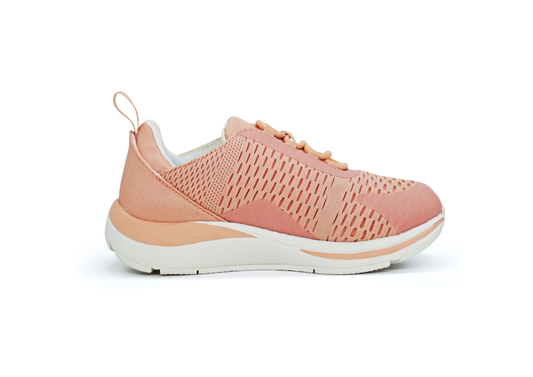
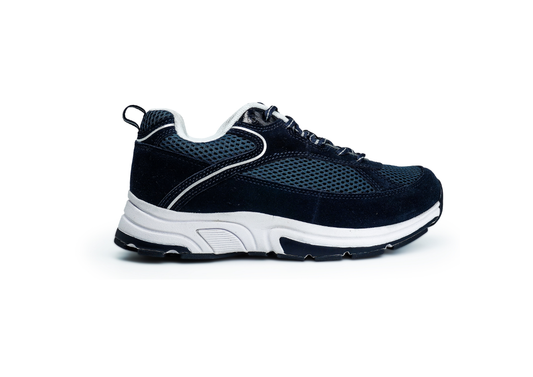

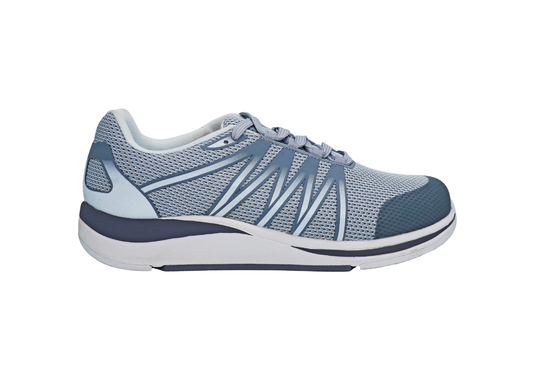

physiotherapy shoes
Physiotherapy Shoes: Expert Guide to Orthopedic Footwear for Foot Pain Relief and Medical Support
By Dr. Subramanyam Balaji, Ortho Shoes Corporation
Physiotherapy shoes provide structured support and cushioning for people with foot conditions. Clinically informed design reduces pain and improves mobility in diabetes, arthritis and plantar fasciitis. This guide outlines core features, how to choose shoes for specific conditions, and why professional fitting matters, so you can select footwear that supports foot health and daily function.
Comprehensive Guide on Physiotherapy Shoes: Orthopedic Footwear for Foot Pain Relief and Medical Support
These shoes deliver therapeutic benefits by combining stability, shock absorption and an accurate fit. Specialized elements reduce mechanical strain and lower the risk of secondary problems, helping people with chronic foot conditions maintain independence and comfort. Knowing key attributes makes it easier to choose clinically appropriate options.
Key Features of Orthopedic Shoes
Orthopedic shoes include design elements absent from standard footwear; together they provide support, reduce pain and improve walking efficiency for people with foot issues.
Arch Support
Arch support offloads the plantar fascia and improves alignment. By distributing weight more evenly, it reduces pressure points and enhances balance—useful for flat feet or high arches and for lowering re‑injury risk.
Cushioning
Quality cushioning absorbs shock and lowers peak pressures under the foot. Good materials relieve pressure during walking and standing, which helps people with heightened foot sensitivity from diabetes or arthritis and reduces strain over time.
Selecting the Best Shoes for Specific Conditions
Choose features that match the medical need. For example, diabetic shoes offer extra depth and seam-free interiors to reduce ulcer risk, while arthritis shoes prioritise cushioning and flexible uppers to ease joint pain and preserve motion. Matching features to the condition improves outcomes.
Consultation and Fitting
Professional fitting is essential. A podiatrist or orthopedic specialist can assess foot type, gait and pressure points to recommend shoes or modifications. Correct fitting reduces complications and ensures therapeutic features perform as intended. Have feet measured periodically, since size and shape can change.
What Are Physiotherapy Shoes and How Do They Support Foot Health?
Physiotherapy shoes are engineered to meet medical foot needs through targeted support, cushioning and fit adjustments. Their design reduces harmful forces, protects vulnerable tissue and promotes safer, more comfortable mobility.
Design Features
Common elements include adjustable support, wider lasts and breathable materials. These lower friction, reduce blisters and allow orthotic devices where needed. Customisable support helps align the shoe to an individual’s anatomy and symptoms.
Benefits for Various Foot Conditions
Physiotherapy shoes relieve plantar fasciitis, diabetes-related foot problems and arthritis by combining support, cushioning and protective design. The result is reduced pain, improved gait and easier daily activity.
Recommendations for Use
Wear prescribed footwear consistently and follow clinician guidance to maintain foot health. Regular use helps prevent progression; replace shoes as recommended to preserve support and cushioning.
Defining Orthopedic Footwear and Its Medical Benefits
Orthopedic footwear is built to improve stability and reduce pathological forces. These shoes address chronic pain, structural deformities and other medical issues so users can function with less discomfort and lower complication risk.
Key Conditions Addressed by Orthopedic Footwear
Orthopedic footwear supports chronic foot pain, diabetes-related conditions and structural deformities. By offering targeted comfort and protection, these shoes can reduce symptoms and help protect vulnerable tissue; consider quality options as part of a care plan.
How Physiotherapy Shoes Alleviate Common Foot Conditions
They correct mechanics, redistribute pressure and cushion vulnerable areas, addressing underlying mechanical causes to provide meaningful relief and improved mobility.
Which Physiotherapy Shoes Are Best for Specific Conditions Like Diabetes and Arthritis?
Select footwear based on clinical requirements. Choose shoes with features proven to reduce the specific risks of each condition to obtain the best therapeutic effect.
Features of Diabetic Footwear for Ulcer Prevention and Comfort
Diabetic footwear commonly provides extra depth, seamless interiors and moisture-wicking linings to reduce friction and pressure, lowering ulcer risk and improving daily comfort for people with diabetic neuropathy.
Research further emphasises the critical role of specialised footwear and insoles in preventing ulceration for individuals with diabetic neuropathy.
Diabetic Footwear & Insoles for Ulcer Prevention
A systematic review found that in people with diabetes, offloading high‑risk plantar regions by optimizing footwear or insoles may prevent ulceration. The review summarised evidence on footwear and insole features that reduce pathological plantar pressures and the occurrence of plantar forefoot ulceration in people with diabetic neuropathy.
Footwear and insole design features that reduce neuropathic plantar forefoot ulcer risk in people with diabetes: a systematic literature review, S Ahmed, 2020
Design Elements in Arthritis Footwear That Reduce Pain and Improve Mobility
Arthritis footwear uses cushioned soles and flexible uppers to reduce joint loading and allow safer range of motion. These choices lower walking pain and support better day‑to‑day function for people with arthritic change.
How Do Heel Pain Shoes and Men’s Orthopedic Shoes Address Foot Pain Effectively?
Heel pain and men’s orthopedic shoes combine targeted support, cushioning and fit adaptations to reduce peak pressures and improve comfort during standing and walking.
Cushioning and Arch Support in Heel Pain Shoes
Enhanced cushioning and correct arch support absorb impact and redistribute forces away from sore heel tissues, reducing pressure and making walking and standing less painful for people with heel conditions.
Studies have shown that adjusting heel height can also be an effective strategy for reducing pain associated with calcaneal spurs.
Heel Height for Calcaneal Spur Pain Relief
Raising the heel from 2 to 3 cm reduced the magnitude of load bearing, relative to the minimum compression force for pain, by 3.70% at the LH and 2.35% at the MH. Excellent clinical outcomes, defined by a 70–100% decrease in pain, were achieved in 10/16 participants with the use of a 2-cm and 3-cm heel height.
The effectiveness of raising the heel height of shoes to reduce heel pain in patients with calcaneal spurs, DB Wibowo, 2017
Specialized Orthopedic Shoes Tailored for Men’s Foot Health Needs
Men’s orthopedic shoes often feature wider toe boxes and reinforced support to match common male foot shapes and loading patterns. These adjustments improve fit and relief, helping to reduce pain and improve mobility.
What Should You Consider When Choosing Physiotherapy Shoes?
Consider fit, cushioning and the specific support your condition requires. Evaluate materials, sole construction and compatibility with orthotic inserts to ensure the shoe meets clinical needs and comfort goals.
Key Features to Look For: Material, Cushioning, and Arch Support
Prioritise durable, breathable materials, sufficient cushioning to absorb impact, and arch support that matches your foot structure. Together these features maintain support and reduce harmful pressure during daily activities.
How to Match Footwear to Your Specific Medical Condition
Match footwear choices to clinical needs and seek professional advice when necessary. A clinician can recommend features or adjustments that address your condition and help prevent complications.
For men seeking specialized support, men’s orthopedic shoes offer tailored solutions for specific foot health needs.
Frequently Asked Questions
What are the signs that I need physiotherapy shoes?
Persistent foot pain, difficulty walking, or a diagnosis such as diabetes or arthritis indicate you should consider physiotherapy shoes. Other signs include swelling, calluses or changes in foot shape. If standard footwear worsens symptoms or lacks support, consult a healthcare professional for assessment and fitting.
How often should I replace my physiotherapy shoes?
Replace physiotherapy shoes every 6 to 12 months depending on wear and use. Look for worn soles, reduced cushioning or loss of support as signals to replace them. Regular checks are important because worn shoes can increase pain and deforming forces on the foot.
Can I use orthotic inserts with physiotherapy shoes?
Yes. Many physiotherapy shoes accept custom or over‑the‑counter orthotics, which add targeted arch support and pressure relief. Ensure the combined fit is comfortable and consult a podiatrist to select the correct insert and fit.
Are there specific brands known for quality physiotherapy shoes?
Brands such as New Balance, Brooks and ASICS offer models aimed at foot health, while Orthofeet and Vionic specialise in therapeutic footwear. Assess comfort, support and the features your condition requires, and seek professional recommendations when appropriate.
How do I know if my physiotherapy shoes fit properly?
A correct fit allows about a thumb's width between your longest toe and the shoe front. The heel should hold securely without slipping and the arch support should align with your foot. Walk in the shoes to check for pinching or discomfort, and re‑fit if your foot size or shape changes.
Can children benefit from physiotherapy shoes?
Yes. Children with diagnosed foot conditions or persistent discomfort can benefit from pediatric physiotherapy shoes that offer support and cushioning for growing feet. Monitor foot development and consult a paediatric podiatrist for assessment and early intervention.
