
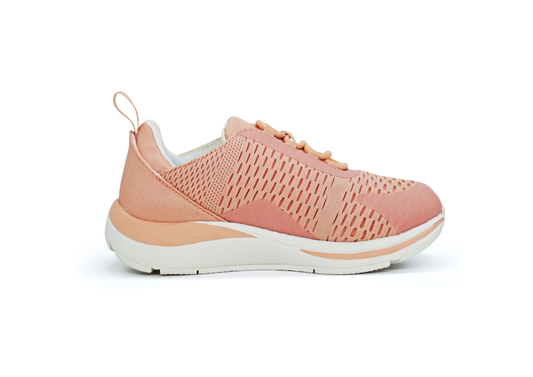
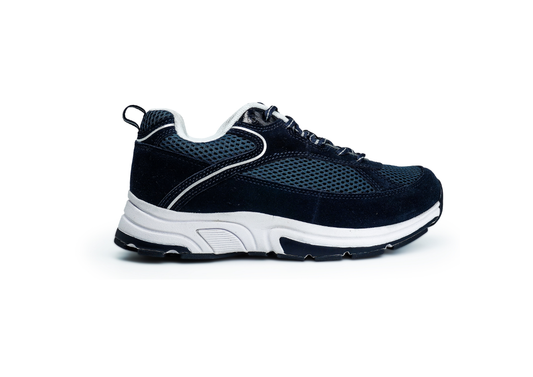

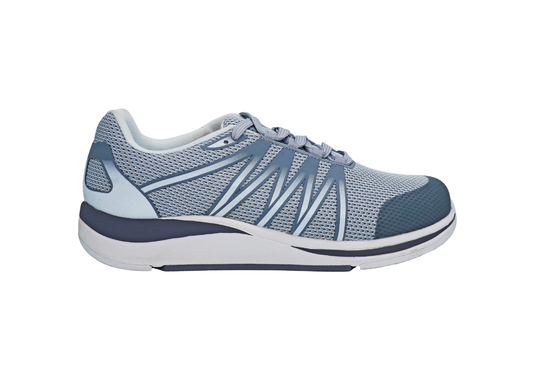

orthopedic heels for women
Comfortable Orthopedic Heels for Women: Expert Guide to Heel Pain Relief and Support
By Dr. Subramanyam Balaji, Ortho Shoes Corporation
Choosing the right footwear is essential for women with heel pain or foot issues. Orthopedic heels are designed to provide targeted support, cushioning and stability so you can stay active. This guide explains core features, expert recommendations and practical tips to choose suitable options in India, helping you prioritise comfort without sacrificing style.
Key Features of Comfortable Orthopedic Heels
They use targeted design elements to improve support and reduce pain. Key characteristics:
- Arch and Heel Support: Proper arch support distributes weight evenly and reduces heel pressure.
- Cushioned and Shock-Absorbing Soles: Cushioned, shock-absorbing soles soften impact for more comfortable walking.
- Wide and Roomy Toe Boxes: A roomy toe box allows natural toe movement and reduces bunion risk.
Combined, these features promote foot health while keeping a wearable appearance.
Expert Recommendations
Consult a podiatrist when choosing orthopedic heels; they can match footwear features to your diagnosis and balance clinical support with style.
- Consultation with Professionals: A podiatrist can recommend shoes based on your foot structure and conditions.
- Focus on Specific Conditions: Issues like plantar fasciitis or arthritis may need particular support or cushioning.
- Recommendations for Shoe Types: Choose styles that combine fashion with the necessary orthopedic features.
Ideal for Common Foot Conditions
Orthopedic heels can help several common foot problems:
Identifying the source of pain is the first step toward effective relief.
Understanding Plantar Heel Pain Causes
Plantar heel pain causes soreness or tenderness of the sole of the foot under the heel, which sometimes extends into the medial arch. The prevalence and prognosis are unclear, but the symptoms seem to resolve over time in most people.
Plantar heel pain and fasciitis, 2008
- Plantar Fasciitis: Inflammation of the plantar fascia; arch support can ease pain.
- Heel Spurs: Supportive heels reduce pressure on painful bony spurs.
- Bunions and Hammertoes: Wide toe boxes reduce crowding and slow deformity progression.
What Are Orthopedic Heels and How Do They Benefit Women?
Orthopedic heels are shoes engineered to support the foot's natural mechanics, offering comfort and stability for women with foot pain.
Definition
These heels help align the foot, reduce strain and provide cushioning to relieve discomfort associated with specific foot issues.
Design Features
Main design elements include:
- Arch Support: Maintains alignment and reduces strain.
- Cushioned Soles: Absorb shock for easier walking.
- Wide Toe Boxes: Allow natural toe positioning.
Health Benefits
Wearing well-designed orthopedic heels can deliver practical benefits:
Evidence supports the value of targeted solutions for conditions like heel pain.
Customized Orthotics for Heel Pain Relief
The heel pad and orthotic described in this article meet all these criteria. Pain relief and comfort are achieved through customizing the fit and by using materials that are soft and mold to
Customized heel pads and soft orthotics to treat heel pain and plantar fasciitis, DR Dawson, 2003
- Pain Relief: Proper support reduces discomfort from common conditions.
- Improved Alignment: Helps posture and reduces joint strain.
- Enhanced Comfort: Cushioning makes extended wear more tolerable.
Suitability for Various Foot Conditions
Orthopedic heels are suitable for many conditions, including:
- Diabetes: Design features can lower the risk of pressure injuries.
- Arthritis: Supportive shoes can reduce pain and aid mobility.
How to Choose the Best Orthopedic Heels for Women in India?
Selecting the right pair requires checking fit, support and construction to suit your needs.
Selecting the Right Fit: Wide Fit and Heel Height Considerations
Fit and heel height matter; keep these tips in mind:
- Measurement Techniques: Measure both feet and try shoes later in the day for the best fit.
- Wide Fit Options: Choose wide-fit styles if you have swelling or toe deformities.
- Heel Height Considerations: Lower heels generally reduce forefoot pressure and heel strain.
Evaluating Comfort, Style, and Medical Recommendations
Balance looks with function; prioritise cushioning, support and professional advice when needed.
- Comfort Features: Look for stable heels, supportive insoles and reliable cushioning.
- Style Options: Many designs now combine orthopedic features with modern styles.
- Medical Recommendations: Follow podiatry advice for condition-specific needs.
What Do Customers Say About Orthopedic Heels for Heel Pain Relief?
Customer feedback often highlights improved comfort and reduced pain after switching to supportive heels.
Real User Testimonials on Comfort and Pain Reduction
Users report less heel pain and greater comfort during daily activities.
- User Experiences: Many note immediate comfort improvements and easier walking.
- Pain Reduction Stories: Testimonials often describe gradual pain reduction with regular use.
Expert Endorsements and Doctor Recommendations
Clinicians recommend orthopedic heels for support and advise selecting shoes matched to individual conditions.
| Feature | Description | Benefit |
|---|---|---|
| Arch Support | Provides stability and alignment | Reduces foot pain |
| Cushioned Soles | Absorbs shock during walking | Enhances comfort |
| Wide Toe Box | Allows natural toe movement | Prevents deformities |
Find options for womens orthopedic shoes, diabetic footwear, heel pain shoes, arthritis footwear, and mens shoes orthopedic. Visit orthoshoes.in for a wider selection.
Frequently Asked Questions
What should I look for when buying orthopedic heels?
Prioritise arch support, cushioning and a roomy toe box. Ensure the shoe fits without pinching and choose lower heels to reduce pressure. Consult a healthcare professional for personalised guidance.
Can orthopedic heels be stylish as well as functional?
Yes. Many manufacturers blend modern designs with clinical features so you can maintain style while supporting foot health.
How do orthopedic heels help with specific foot conditions?
They provide targeted support, cushioning and alignment to ease pain from plantar fasciitis, heel spurs, bunions and similar conditions. A podiatrist can advise on the best features for your needs.
Are there any specific brands recommended for orthopedic heels?
Reputable brands such as Vionic, Clarks and Dansko are known for comfort and support; read reviews and consult professionals to select the right option for your foot type.
How can I maintain my orthopedic heels for longevity?
Clean with a damp cloth to remove dirt, store in a cool, dry place away from direct sunlight, avoid harsh wet conditions, and replace shoes when cushioning or support declines.
Can I wear orthopedic heels all day?
Many orthopedic heels are suitable for extended wear if they fit well and meet your needs. If you feel discomfort, take breaks, alternate footwear, and consult a healthcare professional if pain continues.
