
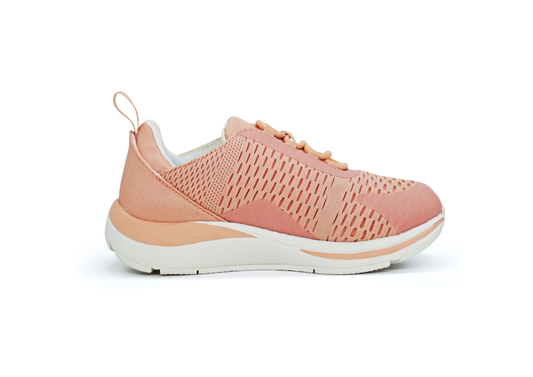
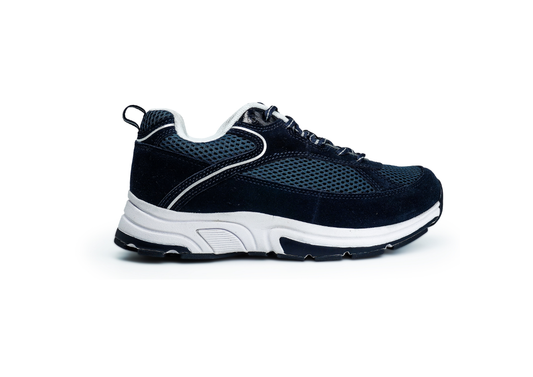

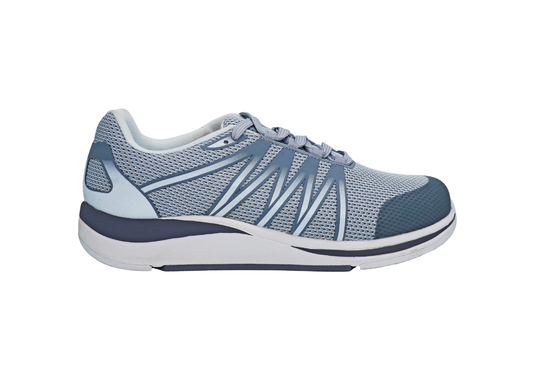

sugar slippers
Sugar Slippers: Authoritative Guide to Diabetic Footwear and Orthopedic Comfort
By Dr. Subramanyam Balaji, Ortho Shoes Corporation
Sugar slippers are purpose-built orthopedic footwear that provide cushioning, gentle support and low-friction interiors to help people with diabetes manage neuropathy, heel pain and pressure ulcers. This guide summarises key medical benefits, essential features and materials to look for when choosing diabetic footwear, and offers concise recommendations based on clinical practice and customer feedback. For product options see diabetic footwear.
Guide on Sugar Slippers as Diabetic Footwear
Also known as diabetic slippers, sugar slippers prioritise even pressure distribution, cushioning and low shear to protect vulnerable skin and reduce injury risk during everyday use.
Medical Benefits
Therapeutic design reduces focal pressure, friction and the likelihood of sores or ulcers, while added cushioning and support can ease pain from plantar fasciitis and arthritis and improve walking comfort.
Indeed, the role of therapeutic footwear like sugar slippers in preventing serious diabetic foot complications is well-established in medical literature.
Diabetic Footwear: First Line of Defense Against Ulcers & Complications
Therapeutic footwear becomes the first treatment line in the prevention of diabetic foot ulcer and future complications of diabetes. Previous studies and the International Working Group on the Diabetic Foot have described therapeutic footwear as a protective factor to reduce the risk of re-ulceration.
Clinical efficacy of therapeutic footwear with a rigid rocker sole in the prevention of recurrence in patients with diabetes mellitus and diabetic polineuropathy: A …, M López-Moral, 2019
Ortho Shoes offers sugar slippers that combine supportive construction and protective materials for daily wear.
Key Features
Sugar slippers commonly include extra depth, minimized seams and pressure-distributing footbeds to manage swelling, cut friction and spread load during gait.
| Feature | Description | Benefit |
|---|---|---|
| Extra Depth | Provides ample space for swollen feet | Reduces pressure and discomfort |
| Seam-Minimized Linings | Minimizes friction against the skin | Prevents blisters and sores |
| Pressure-Distributing Footbed | Distributes weight evenly across the foot | Enhances comfort and support |
These elements work together to lower focal pressure and protect sensitive skin over time.
Materials
Choose breathable uppers to manage moisture, cushioned insoles for shock absorption and durable, slip-resistant outsoles for stable support; the correct material mix reduces fungal risk and improves day-long comfort.
Design Elements
Adjustable straps, seam-minimised interiors and contemporary styling improve fit, reduce rubbing and encourage regular use—important for adherence to protective footwear recommendations.
Recommendations for Optimal Foot Health
Combine protective slippers with simple foot-care habits: inspect feet daily, ensure a proper fit, and consult a specialist when in doubt.
- Regular Foot Inspections: Check your feet daily for signs of injury or irritation.
- Choosing the Right Fit: Ensure slippers fit comfortably without pressure points.
- Consulting a Specialist: Get professional advice on footwear and foot care when needed.
What Are Sugar Slippers and How Do They Support Diabetic Foot Health?
Sugar slippers are orthopedic slippers with structured support and roomy toe boxes; they reduce concentrated pressure and help protect feet that may have reduced sensation.
Sugar Slippers: An Overview
Typically made with soft, cushioned interiors and breathable, durable materials, these slippers are built to withstand daily use while keeping feet dry and comfortable.
Support for Diabetic Foot Health
By redistributing weight and lowering high-pressure points, sugar slippers help prevent ulcers and related complications in people with neuropathy.
Design Features
Key elements include adjustable closures, padded footbeds and non-slip soles—features that secure the foot and allow for swelling during the day.
Benefits for Diabetes Management
Appropriate footwear helps maintain foot integrity, reducing ulcer and infection risk and supporting activity levels that benefit overall diabetes management.
Recommendations for Use
- Wide toe box to accommodate swelling.
- Cushioned insoles for comfort and shock absorption.
- Breathable materials to keep feet dry.
Defining Sugar Slippers: Specialized Diabetic Footwear Explained
As a specialised subset of diabetic footwear, sugar slippers aim to reduce mechanical stress through soft uppers, padded insoles and supportive soles focused on prevention and comfort.
Medical Benefits of Sugar Slippers for Diabetes-Related Foot Conditions
They provide injury prevention, pressure redistribution and improved comfort by lowering shear and concentrated loads on the foot.
Which Materials and Features Make Sugar Slippers Ideal for Foot Pain Relief?
Breathable uppers, cushioned insoles and stable outsoles together ease pain, control moisture and support a healthier gait.
Breathable and Pressure-Relieving Materials in Diabetic Footwear
Breathable, pressure-relieving fabrics and supportive footbeds prevent skin breakdown and pressure-related injuries; many sugar slippers combine these elements for all-day protection.
Design Elements That Enhance Comfort and Orthopedic Support
Adjustable straps and contoured footbeds control pressure, improve fit and reduce slip risk to maintain comfort during prolonged wear.
How to Choose the Right Sugar Slippers for Specific Foot Problems?
Match features to the issue: extra heel cushioning and arch support for heel pain or plantar fasciitis; roomy fit for swelling; breathable fabrics for moisture control.
Selecting Sugar Slippers for Heel Pain, Arthritis, and Plantar Fasciitis
Look for added heel cushioning, a contoured footbed and reliable arch support to reduce strain and improve walking comfort.
Buying Guide: Fit, Size, and Condition Suitability Considerations
Prioritise correct fit and size, and choose slippers designed to address your specific condition—these factors determine protection and comfort.
- Fit: Ensure slippers are neither too tight nor too loose.
- Size: Allow room for swelling.
- Condition Suitability: Pick features that specifically address issues like neuropathy or heel pain.
What Do Users and Experts Say About Sugar Slippers’ Effectiveness?
Both clinical guidance and user reports show improved comfort and reduced pain when patients switch to therapeutic slippers that provide pressure relief and support.
Doctor Recommendations and Clinical Evidence Supporting Sugar Slippers
Clinicians recommend therapeutic footwear as a preventive measure to reduce re-ulceration and other complications when used appropriately.
Customer Testimonials and Real-World Foot Health Improvements
Customers report less pain and better daily function after adopting sugar slippers; evaluating specialised footwear can substantially improve mobility and comfort. For options, see heel pain shoes and Ortho Shoes.
Frequently Asked Questions
1. How do sugar slippers differ from regular slippers?
Sugar slippers include orthopedic support, extra cushioning and low-friction linings that reduce pressure and skin irritation, making them safer for people with diabetes and other foot conditions.
2. Can sugar slippers be worn outdoors?
Many models are suitable for both indoor and outdoor use; choose ones with sturdy, non-slip outsoles if you need outdoor durability and grip.
3. Are sugar slippers suitable for all foot types?
Most accommodate a range of foot shapes—high arches, flat or swollen feet—thanks to adjustable closures and extra depth, but consult a professional for personalised fit advice.
4. How often should I replace my sugar slippers?
Replace them every 6–12 months depending on wear, or sooner if cushioning and support degrade; regular inspection helps keep feet protected.
5. Can sugar slippers help with conditions other than diabetes?
Yes, they can relieve symptoms of plantar fasciitis, arthritis and general foot pain by offering cushioning and pressure relief; seek professional advice for specific conditions.
6. What should I look for when buying sugar slippers?
Prioritise cushioning, breathability, adjustability, a wide toe box and a pressure-distributing footbed; correct size and fit are essential.
7. Are there specific brands known for quality sugar slippers?
Some brands, including Ortho Shoes, are recognised for quality diabetic footwear; compare features, warranties and reviews to choose the best option for your needs.
