
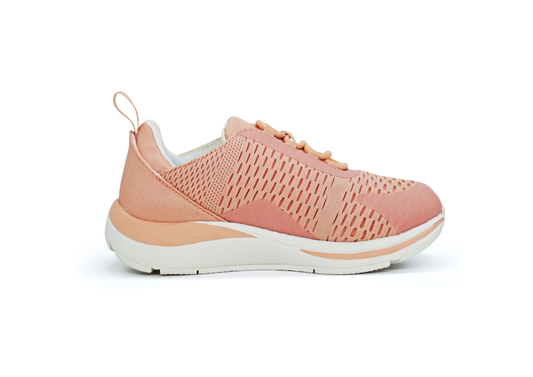

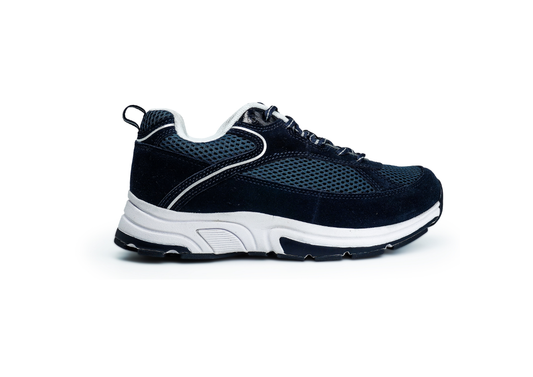

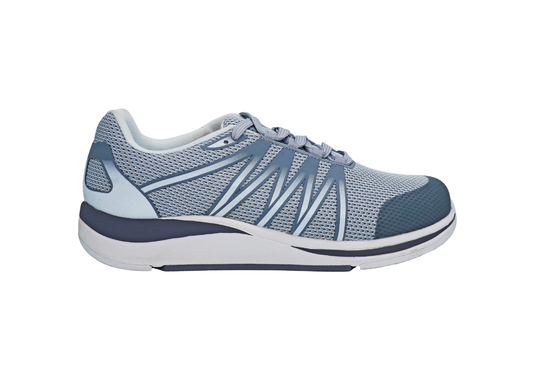


orthopedic shoes
Best Orthopedic Shoes in India: Comfortable Solutions for Diabetic, Heel Pain, and Arthritis Footwear Needs
By Dr. Subramanyam Balaji, Ortho Shoes Corporation
Orthopedic shoes are purpose-built footwear that deliver targeted support and comfort for people with foot health problems. They help manage diabetes, heel pain and arthritis by reducing pressure, improving alignment and cushioning impact. This guide outlines core features, clinical benefits and practical recommendations, with specific guidance for diabetic footwear, heel pain relief shoes and arthritis-focused options.
What Are Orthopedic Shoes and How Do They Support Foot Health?
Orthopedic shoes are therapeutic footwear designed to reduce pain and improve function. Typical elements include arch support, cushioned midsoles and a roomier last to fit deformities; together these redistribute weight, lower pressure points and improve comfort and mobility for chronic foot conditions.
Key Features of Orthopedic Shoes
Specific design features distinguish orthopedic shoes from regular footwear: removable insoles for custom orthotics, a wider and deeper fit to accommodate deformities, and cushioned, shock‑absorbing soles to lower impact on feet and joints.
- Customizable Support: Removable insoles let users add custom orthotics for personalised support.
- Wider and Deeper Fit: Extra volume prevents toe crowding and fits common deformities.
- Cushioned and Shock-Absorbing Soles: Soles absorb impact to lessen stress on feet and joints.
These design elements make orthopedic shoes effective for many foot health concerns.
Benefits for Various Foot Conditions
When matched to the condition, orthopedic shoes can ease heel pain with arch support and cushioning, support flat feet by improving alignment, and reduce joint stress for people with arthritis, improving comfort and day‑to‑day function.
- Plantar Fasciitis: Arch support and cushioning ease heel pain.
- Flat Feet: Supportive designs help maintain alignment and reduce discomfort.
- Arthritis: Proper fit and pressure relief ease joint pain.
Orthopedic footwear is a practical, evidence‑based investment for reliable foot health support.
Recommendations for Use
Choose shoes after consulting a healthcare professional, try them on to confirm fit and comfort, and prioritise quality materials for durability and sustained support.
- Consult a Specialist: Get a diagnosis and a shoe type recommendation from a clinician.
- Try Before You Buy: Confirm fit and comfort in person when possible.
- Look for Quality Materials: Durable materials maintain support and comfort longer.
Definition and Medical Benefits of Orthopedic Footwear
Orthopedic footwear addresses chronic pain and deformities, supports systemic conditions like diabetes and arthritis by improving alignment, reducing mechanical strain and providing cushioning that can reduce pain and improve mobility.
How Orthopedic Shoes Address Common Foot Conditions
Orthopedic shoes provide targeted support and protection. Diabetic styles lower ulcer risk with pressure relief and seamless interiors; heel‑focused models combine arch support and cushioning to reduce plantar fascia strain.
Which Orthopedic Shoes Are Best for Diabetic Foot Care?
For diabetic foot care, prioritise a wide toe box, seamless interiors and cushioned footbeds to minimise friction, prevent sores and absorb daily impact.
- Wide Toe Box: Allows toe movement and reduces pressure‑sore risk.
- Seamless Interiors: Minimises friction and irritation on fragile skin.
- Cushioned Footbeds: Absorb shock and enhance day‑long comfort.
Features of Diabetic Shoes for Men and Women
Diabetic shoes accommodate changing foot size and fragile skin. Important features include adjustable closures for a secure fit, breathable materials to control moisture, and shock‑absorbing soles to reduce repetitive impact.
- Adjustable Closures: Allow a customised fit for swelling or size changes.
- Breathable Materials: Improve ventilation and foot comfort.
- Shock-Absorbing Soles: Reduce impact during daily activities.
How Diabetic Footwear Prevents Ulcers and Promotes Healing
Diabetic footwear reduces friction and redistributes pressure to prevent ulcers and support healing. Seamless, cushioned interiors minimise rubbing; correct fit spreads load evenly and pressure‑redistributing materials shift stress away from vulnerable spots.
- Seamless Cushioned Interior: Minimises rubbing and pressure that cause sores.
- Proper Fit: Distributes weight evenly to avoid focal pressure points.
- Pressure Redistribution: Materials redirect load away from at‑risk areas to aid recovery.
How Do Orthopedic Shoes Provide Relief for Heel Pain?
Orthopedic shoes relieve heel pain, including plantar fasciitis, by combining arch support, cushioning and heel stabilisation to reduce strain on the plantar fascia and lower impact forces while walking.
- Arch Support: Maintains alignment and reduces heel strain.
- Cushioning and Shock Absorption: Minimise walking impact to ease pain.
- Heel Stabilizers: Add stability and comfort for the rearfoot.
Key Design Elements in Heel Pain Relief Shoes
Choose heel‑relief shoes with durable, shock‑absorbing soles, breathable materials and a roomy toe box to protect the heel, control motion and reduce secondary discomfort.
- Cushioned and Shock-Absorbing Soles: Reduce impact and improve comfort.
- Durable Materials: Ensure long‑lasting support.
- Roomy Toe Boxes: Prevent cramping and toe discomfort.
Recommended Orthopedic Shoes for Plantar Fasciitis and Heel Pain
Select firm‑support shoes that stabilise the arch and heel, with breathable materials and adjustable straps or laces to fine‑tune fit. Prefabricated orthotics paired with orthotic sandals can extend support when shoes aren't practical.
- Firm Support Shoes: Stabilise arch and heel for symptom relief.
- Quality Materials: Breathable, durable fabrics extend comfort.
- Adjustable Straps or Laces: Allow personalised fit adjustments.
Orthotics & Sandals for Plantar Fasciitis Relief
ABSTRACT: Plantar fasciitis (PF) affects around 10% of the population. Prefabricated orthotics with arch support have been shown to relieve PF symptoms by reducing repetitive stress on the plantar fascia. However, prefabricated orthotics work only when shoes are worn, leaving the foot unsupported at times. Using orthotic sandals alongside prefabricated orthotics may extend the period of support and increase symptom relief when shoes are not worn.
Use of orthotics with orthotic sandals versus the sole use of orthotics for plantar fasciitis: Randomised controlled trial, 2023
What Are the Best Arthritis Footwear Options for Comfort and Support?
For arthritis, choose shoes that accept orthotic inserts and offer a wider, deeper fit to accommodate swelling and deformity. Cushioned, shock‑absorbing soles reduce joint impact during daily activities.
- Customizable Support: Orthotic‑compatible shoes allow tailored inserts.
- Wider and Deeper Fit: Accommodates swelling and deformities.
- Cushioned and Shock-Absorbing Soles: Reduce joint loading and improve comfort.
Orthopedic Shoes Designed to Alleviate Arthritis Symptoms
Arthritis‑focused shoes use adjustable closures, breathable fabrics and lightweight construction to ease swelling, improve airflow and reduce fatigue during wear.
- Adjustable Closures: Make fit adjustments simple as swelling varies.
- Breathable Materials: Maintain dry, comfortable feet.
- Lightweight Design: Reduces fatigue during prolonged wear.
Materials and Cushioning Technologies in Arthritis Footwear
Material choice and cushioning technology are central to comfort: breathable uppers keep feet dry, soft cushioning reduces local pressure and modern midsoles improve shock absorption for gentler joint loading.
- Breathable Materials: Keep feet dry and comfortable.
- Soft Cushioning Materials: Reduce pressure on sensitive areas.
- Cushioning Technologies: Enhance shock absorption and overall comfort.
| Feature | Description | Benefit |
|---|---|---|
| Arch Support | Provides stability and alignment | Reduces strain on feet |
| Cushioned Soles | Absorbs shock and impact | Enhances comfort |
| Adjustable Fit | Customizable for swelling | Improves overall fit |
Orthopedic shoes play a central role in managing diabetes, heel pain and arthritis. Matching features to your condition helps you choose footwear that improves comfort and mobility. For a curated selection of therapeutic options, Ortho Shoes provides clinically minded products and fit options.
Frequently Asked Questions
1. How do I know if I need orthopedic shoes?
If you have persistent foot pain, mobility problems or a diagnosis such as diabetes, arthritis or plantar fasciitis, orthopedic shoes may help. Signs include ongoing heel pain, visible deformities or difficulty finding comfortable footwear. Consult a podiatrist or physician for personalised advice.
2. Can I wear orthopedic shoes for everyday activities?
Yes. Orthopedic shoes are intended for daily wear—walking, standing and light exercise—and many modern styles balance clinical features with everyday aesthetics.
3. Are orthopedic shoes covered by health insurance?
Coverage varies by insurer and policy. Some plans cover orthopedic footwear when prescribed by a healthcare professional. Check your policy for eligibility and required documentation.
4. How often should I replace my orthopedic shoes?
Replace orthopedic shoes every 6 to 12 months depending on use and wear. Worn soles, reduced cushioning or loss of support indicate it’s time for a new pair.
5. Can children benefit from orthopedic shoes?
Yes. Children with flat feet, high arches or developmental issues can benefit from supportive footwear; consult a pediatrician or pediatric podiatrist to choose the right option.
6. What should I look for when buying orthopedic shoes online?
Check detailed size charts, clear descriptions of support features, customer reviews and the return policy so you can exchange or return if fit or comfort isn’t right. Look for information on arch support, cushioning and materials.
7. Are there specific brands known for quality orthopedic shoes?
Several brands are recognised for producing reliable orthopedic footwear. Use expert reviews and customer feedback to match a brand’s models to your needs.
