
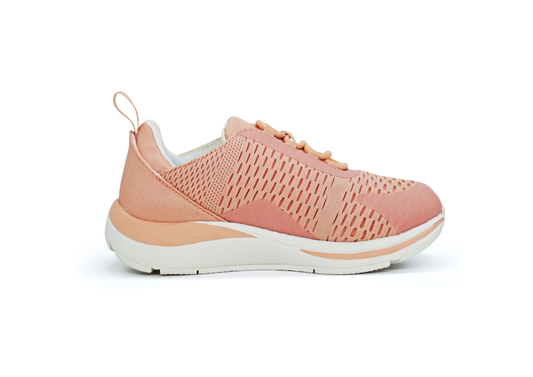
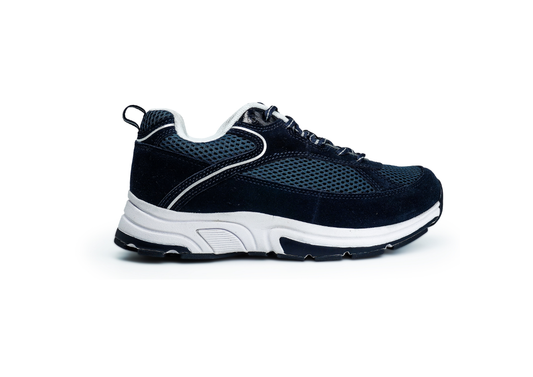

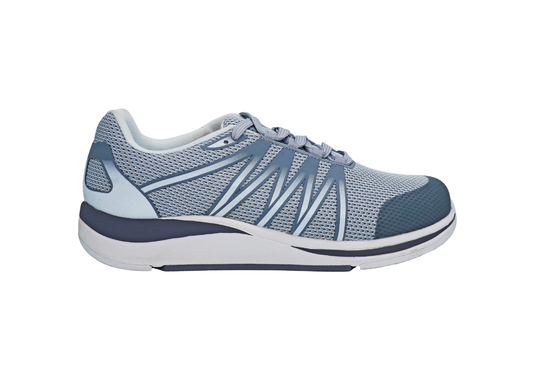

heel pain relief footwear
Orthopedic Shoes for Heel Pain: Expert Guide to Effective Relief Footwear
By Dr. Subramanyam Balaji, Ortho Shoes Corporation
Heel pain is common and can limit daily activities. The right footwear lowers strain and improves comfort. This guide explains how orthopedic shoes relieve heel pain, which features matter, and how to choose shoes for different foot types.
Comprehensive Guide to Orthopedic Shoes for Heel Pain Relief
Orthopedic shoes are built to support people with foot conditions such as plantar fasciitis and heel spurs. Key design elements reduce strain and improve stability. Choosing cushioned soles, reliable arch support, and adjustable closures often yields noticeable comfort and better function.
Design Features of Orthopedic Shoes
Design focuses on features that reduce heel load:
- Customizable Support: Adjustable components let you fine-tune fit for different foot shapes.
- Cushioned Soles: Shock-absorbing materials reduce impact on the heel.
- Adjustable Closures: Velcro or laces secure the foot for stability.
These elements work together to reduce pain during daily movement.
Effectiveness for Alleviating Heel Pain
Orthopedic shoes combine arch support and targeted cushioning to reduce heel strain. They are widely used for plantar fasciitis and heel spurs, and many users report improved comfort and mobility after switching to supportive footwear.
Research supports the role of mechanical treatments, including specialized shoes, in managing plantar fasciitis symptoms.
Effectiveness of Mechanical Treatments for Plantar Fasciitis
Plantar fasciitis is one of the most common foot injuries. Several mechanical treatment options, including shoe inserts, ankle-foot orthoses, tape, and shoes are used to relieve the symptoms of plantar fasciitis. Objectives: To investigate the effectiveness of mechanical treatment in the management of plantar fasciitis.
Effectiveness of mechanical treatment for plantar fasciitis: a systematic review, K Postema, 2019
For practical options, Ortho Shoes offers orthopedic footwear focused on comfort and support to help improve foot health.
Recommendations for Various Foot Types
Match shoe features to your foot type:
- Flat Feet: Enhanced arch support and stability to distribute weight.
- High Arches: Extra cushioning and flexibility to fit the arch.
- Diabetic Footwear: Seamless interiors and extra depth to avoid pressure points.
Ortho Shoes provides models tailored to these needs.
What Causes Heel Pain and How Can Orthopedic Shoes Help?
Heel pain often comes from overuse, poor footwear, or conditions like plantar fasciitis and heel spurs. Orthopedic shoes redistribute pressure, support alignment, and cushion the heel to ease pain and aid recovery.
Key Features of Orthopedic Shoes for Heel Pain
When selecting shoes, prioritise:
- Arch Support: Maintains alignment and reduces plantar fascia tension.
- Cushioned Soles: Absorb shock while walking or standing.
- Wide Toe Boxes: Allow natural toe movement and prevent pinching.
These features reduce stress on the plantar fascia and improve comfort.
Understanding Plantar Fasciitis and Heel Spurs as Common Conditions
Plantar fasciitis is inflammation of the plantar fascia and often causes sharp pain on first steps. Heel spurs are bony projections that can cause similar discomfort. Both respond well to footwear with targeted support and cushioning.
How Arch Support and Cushioning Alleviate Heel Pain Symptoms
Arch support maintains correct alignment and lessens fascia tension; cushioning reduces impact on the heel. Combined, they decrease pain and improve walking comfort.
Clinical comparisons examine orthotics and heel pads to identify which combinations offer targeted relief.
Custom Orthotics & Heel Pads for Plantar Fasciitis Relief
Heel pain associated with plantar fasciitis is a common foot ailment. This study compared the effectiveness of a hard orthotic with a modified soft orthotic coupled with a specialized heel pad. Both orthotics provided medial heel posting and medial longitudinal arch support.
Treating heel pain in adults: a randomized controlled trial of hard vs modified soft custom orthotics and heel pads, D Dawson, 2021
Which Features Define the Best Shoes for Plantar Fasciitis and Heel Spur Relief?
Top features include:
- Customizable Support: For a closer, more effective fit.
- Cushioned Soles: For shock absorption and comfort.
- Sturdy Construction: Durable support for daily use.
Together these reduce heel loading and support long-term comfort.
Medical-Grade Cushioning and Ergonomic Design Benefits
Medical-grade cushioning improves shock absorption; ergonomic design follows foot contours and gives targeted support where needed, helping manage heel pain effectively.
Specialized Arch Support Technology in Heel Pain Footwear
Arch-support technologies conform to foot shape to distribute weight and lower heel pressure. Using orthotic sandals alongside prefabricated orthotics can extend support when shoes are not worn.
Orthotics & Sandals for Plantar Fasciitis Arch Support
Plantar fasciitis (PF) affects around 10% of the population. Prefabricated orthotics with arch support has been shown to provide symptom relief in PF by decreasing the repetitive stress sustained by the plantar fascia. However, prefabricated orthotics are only effective when shoes are worn, meaning the foot may be left unsupported when it is impractical to wear shoes. Using orthotic sandals in conjunction with prefabricated orthotics may increase PF symptom relief, as they can be worn inside the home, extending the period in which the foot is supported.
Use of orthotics with orthotic sandals versus the sole use of orthotics for plantar fasciitis: Randomised controlled trial, 2023
How Do Diabetic and Arthritis Footwear Address Heel Pain Differently?
Footwear for diabetes and arthritis uses specific design choices to protect tissue and reduce joint stress while addressing heel pain.
Design Considerations for Diabetic Heel Pain Shoes
Diabetic shoes commonly include:
- Extra Depth and Width: To accommodate swelling.
- Seamless Interiors: To reduce friction on sensitive skin.
These features prevent pressure problems and protect feet.
Arthritis-Friendly Features in Orthopedic Heel Pain Footwear
For arthritis, look for cushioned soles and flexible uppers to reduce joint impact and allow movement while accommodating swelling.
What Are the Best Practices for Choosing Comfortable Shoes for Heel Pain?
Pick shoes with proper fit, breathable materials, and adequate support to ensure daily comfort and protection.
Evaluating Shoe Fit, Material, and Support for Daily Comfort
- Proper Fit: Leave room in the toe box; avoid pinching.
- Quality Materials: Breathable, durable fabrics that manage moisture.
- Adequate Support: Arch support and cushioning are essential.
Addressing these factors helps maintain consistent support and reduce pain.
Customer Testimonials and Doctor Recommendations on Effective Footwear
Many users report reduced heel pain after switching to orthopedic shoes. Clinicians recommend arch support, cushioning, and correct fit based on both evidence and practical outcomes.
Frequently Asked Questions
1. How do I know if I need orthopedic shoes for heel pain?
Persistent heel pain—especially sharp pain on first steps or after activity—may indicate plantar fasciitis. Consult a healthcare professional for diagnosis and footwear guidance.
2. Can I wear orthopedic shoes for activities like running or sports?
Some orthopedic models are designed for athletic use. Choose sport-labeled shoes with shock absorption and stability for dynamic movements.
3. How often should I replace my orthopedic shoes?
Replace them every 6 to 12 months depending on wear. Replace sooner if cushioning or support degrades.
4. Are there specific brands known for effective orthopedic shoes?
Several reputable brands produce quality orthopedic footwear, including New Balance, Brooks, and ASICS. Try options to find the best fit for your foot type.
5. Can I use custom orthotics with my orthopedic shoes?
Yes. Many orthopedic shoes accommodate custom orthotics. Consult a podiatrist to ensure compatibility and optimal design.
6. What should I look for in the materials of orthopedic shoes?
Prefer breathable, durable materials that offer cushioning and flexibility to support movement and comfort over time.
7. Are there any lifestyle changes that can help with heel pain in addition to wearing orthopedic shoes?
Yes. Regular foot and calf stretching, maintaining healthy weight, reducing high-impact activities, ice therapy, and consulting a professional can all help manage heel pain.
