
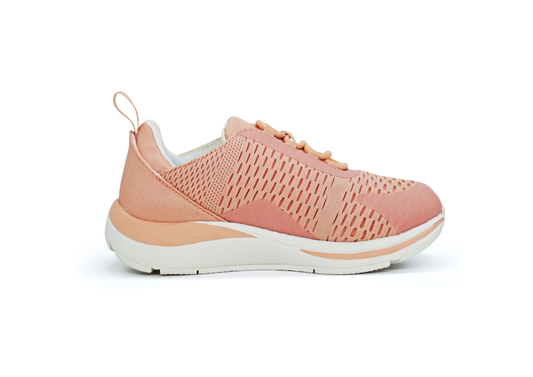
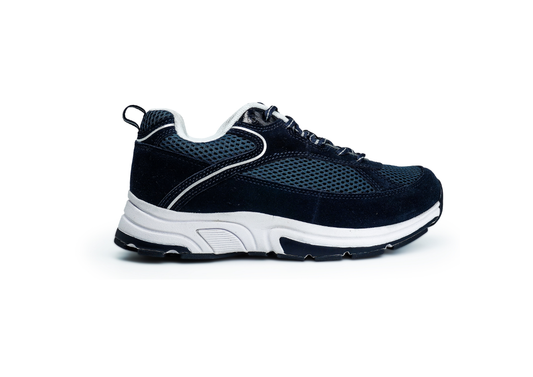

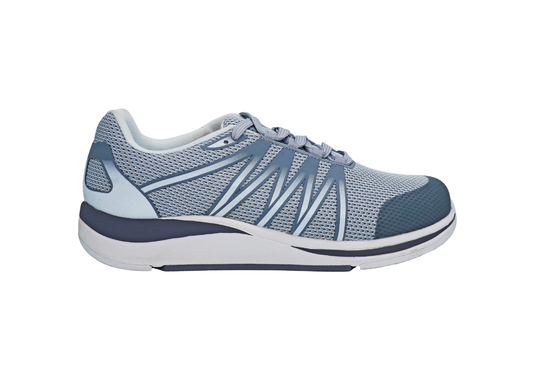

Affordable Men Shoes Under 2000: Orthopedic-Friendly Choices
The good news: you don’t need a 10,000-rupee label to get supportive footwear. Many budget men's shoes in India can feel surprisingly orthopedic when they combine a firm sole base with a cushioned footbed.
How to Test Budget Shoes for Orthopedic Support
At this price point, you need to be a savvy shopper. Use the "5-Second Touch Test" to ensure your affordable walking shoes actually protect your joints:
-
The Flex Test: Bend the shoe; it should flex at the ball of the foot, not the middle. Midfoot bending is a sign of poor support for those seeking flat feet orthopedic solutions.
-
The Heel Squeeze: A firm heel counter is vital. If the back of the shoe collapses easily, it won't stabilize your gait.
-
Toe Box Width: Ensure your toes aren't squeezed, which is a common cause of bunions and discomfort in budget footwear.
Choosing the Right Sole: Phylon vs. Rubber vs. TPR
For men's sports shoes under 2000, the sole material dictates your comfort level:
-
Phylon (EVA): Best for impact absorption. If you have heel pain, look for Phylon midsoles.
-
Rubber: Offers the best grip and durability for Indian monsoons and uneven pavements.
-
TPR: A lightweight, budget-friendly middle ground.
For those requiring extra stability, the Stable Men's Orthopedic Walking Shoes provide a reliable base that cheaper mass-market brands often lack.
Orthopedic-Friendly Formals for the Office
Formal shoes under 2000 are often the most "painful" category due to stiff synthetic uppers. To avoid the "break-in" blisters, look for matte PU finishes and padded collars.
The Aaron Comfort Orthopedic Shoes for Men are a prime example of how to blend professional aesthetics with the cushioning required for long standing hours.
Key Features for Specialized Foot Health
If you are managing specific conditions, look for these keywords in product descriptions:
-
Plantar Fasciitis: Look for Plantar Fasciitis specific shoes with deep heel cups.
-
Diabetes: Prioritize seamless interiors and soft linings found in diabetic footwear.
-
Breathability: If your feet sweat, choose mesh uppers over canvas to prevent fungal infections and odors.
Comparison: Budget vs. Specialized Orthopedic Shoes
| Feature | Standard Shoes Under 2000 | Orthopedic-Friendly Choices |
| Insole | Flat / Basic Foam | Contoured / Anatomical |
| Heel Support | Soft / Collapsible | Rigid / Stable |
| Arch Support | Minimal | Targeted Arch Support |
| Best For | Short-term wear | All-day comfort & Therapeutic use |
Frequently Asked Questions (FAQ)
1. Are memory foam shoes good for foot pain?
Memory foam provides "step-in comfort" but often bottoms out after an hour. For long-term support, a firmer, contoured footbed like those in the Player Men's Orthopedic Walking Shoes is usually better.
2. Can I use my own orthotics in budget shoes?
Yes, but only if the shoe has a removable insole. Always check this before buying shoes for men under 2000 if you plan to use custom inserts.
3. How long do budget orthopedic-friendly shoes last?
Support usually degrades before the shoe looks "broken." If you notice new aches after 6 months of daily wear, it's likely time to browse a men's orthopedic collection for a replacement.
Final Buying Advice
Whether you're shopping for best shoes for men under 3000 or strictly under 2000, prioritize stability and pressure relief over flashy logos. A stable heel and a roomy toe box are the true markers of a shoe that works for you, not against you.
