
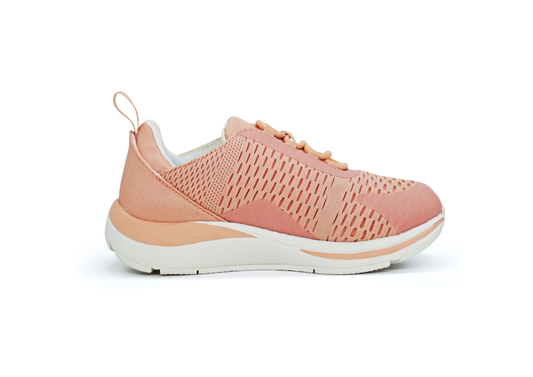
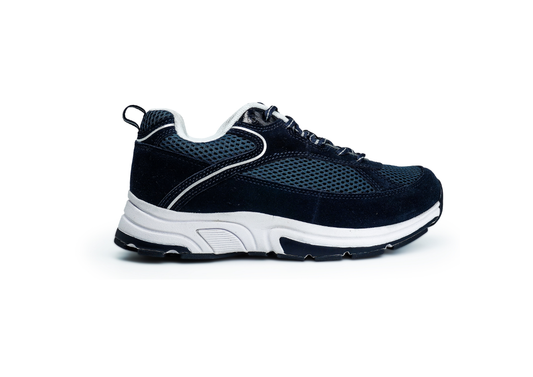

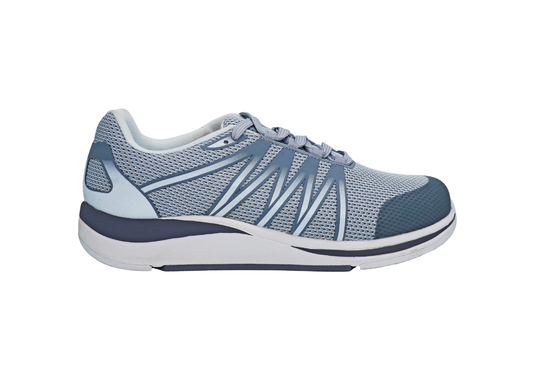

Top Loafer Chappal Styles & Comfort for Men
We’ve all felt the familiar pinch of stiff footwear at a long Indian wedding or a full day at work—blisters, heel rubbing, and tired arches by evening. If you’re looking for something that looks polished but feels supportive, a loafer chappal (a backless loafer-style mule) is a smart, modern solution—especially when you prioritize an orthopedic-friendly build.
Think of it as a hybrid: a dressy loafer-like front with an open heel for easy slip-on wear. The key difference, from an orthopedic footwear perspective, is what’s under your foot: a contoured footbed, real arch support, and stable cushioning matter more than the silhouette.
Mules vs. Classic Dress Loafers: What Matters for Orthopedic Support
Backless styles are a lifesaver in Indian summers, providing breathability that closed shoes lack. However, they can be less stable than full-heel shoes. If you want a loafer chappal that supports your feet (not just your outfit), keep these orthopedic checkpoints in mind:
-
Heel Stability: Classic loafers hold the rearfoot securely. Backless mules work best if the "vamp" (the top part of the shoe) is deep enough to reduce slipping.
-
Arch Support: Look for a contoured insole rather than just soft foam. For those seeking specialized relief, browsing a collection of flat feet (pes planus) footwear can help you identify the right support level.
-
Cushioning + Shock Absorption: A resilient midsole (EVA/PU) typically performs better over time than thin padding.
-
Toe-Box Shape: A slightly wider toe box helps reduce pressure on bunions and allows for natural toe splay.
Expert Tip: If you require maximum control due to severe overpronation or frequent ankle rolling, a closed-heel Aaron comfort orthopedic shoe may be a better daily choice.
The Festive Hack: Styling Loafer Chappals with Kurta Pajamas
Festive footwear often looks great but feels punishing. A supportive loafer chappal maintains the traditional look while eliminating common friction points at the heel.
-
Tonal Coordination: Light pastel kurtas pair beautifully with tan or camel leather. For heavier sherwanis, stick to black, oxblood, or deep brown.
-
The Comfort Factor: If you’ll be standing for hours during a ceremony, choose a pair with a slight heel lift. For formal events where a closed back is preferred for extra stability, the Prince Men's Orthopedic Footwear offers a similar sleek aesthetic with added security.
-
Toe Shape: Rounded or almond toes are generally more forgiving than sharp, pointed shapes for long-term wear.
From Office to Brunch: Pairing Backless Formal Shoes with Western Attire
For western wear, the secret to pulling off backless shoes is a clean silhouette. Polished leather reads formal; suede feels relaxed. To prevent your trousers from dragging or making you "shuffle," consider these styling tips:
-
Trouser Length: A slight crop that stops near the ankle works best to highlight the shoe.
-
Trouser Cut: Slim or tailored fits keep the backless line neat.
-
Occasion Matching: Use sleek leather for smart-casual workwear and save textured finishes for weekend brunches.
If you find yourself "clawing" your toes to keep the shoe on, the design isn't supportive enough. In such cases, switching to therapeutic shoes can ensure your gait remains natural and pain-free.
Say Goodbye to Blisters: Your Orthopedic Checklist
Since backless styles don’t have a rear counter to lock your foot in place, correct sizing is essential. Your heel should sit flush with the back edge—avoid “heel overhang.”
When shopping, look for:
-
Contoured Arch Support: It should hold your arch firmly.
-
Heel Cup: A shallow heel cup improves alignment.
-
Non-slip Outsole: Essential for smooth indoor tiles or monsoon surfaces.
-
Shock Absorption: Check out the Stable Men's Orthopedic Walking Shoes for an example of high-level impact reduction.
Orthopedic Q&A: Loafer Chappals and Foot Support
Are loafer chappals good for plantar fasciitis?
They can be, provided they have a stable footbed. If you suffer from chronic heel pain, it is best to explore dedicated plantar fasciitis shoes that offer targeted medical-grade support.
Can I use orthotics in a loafer chappal?
Sometimes. You need a model with a deep footbed and a removable insole. If the shoe becomes too tight with the insert, it may lead to circulation issues.
What about diabetes or sensitive feet?
Prioritize smooth interiors and soft uppers. For those with specific medical needs, diabetic footwear is designed to prevent ulcers and pressure points that standard fashion shoes might ignore.
Maintaining Your Investment
Orthopedic features last longer when the materials are cared for.
-
Leather: Use a conditioner to keep the uppers supple and prevent cracking. The Victor Men's Orthopedic Footwear is a prime example of quality leather that benefits from regular care.
-
Suede: Use a dedicated brush for daily dusting.
-
Rest: Let your pairs air out between wears to maintain the integrity of the cushioning.
Your Action Plan
Pick loafer chappals the way you’d pick any medical footwear: start with fit and support, then choose the finish. Explore the full range of men's orthopedic shoes to find a pair that bridges the gap between traditional style and modern podiatric science.
