


Most Expensive Slippers: A Luxury & Foot Care Guide
Most Expensive Slippers: A Luxury & Foot Care Guide
We have all felt the pure relief of kicking off tight work shoes and sliding into a simple pair of home slippers. Imagine, however, replacing that everyday comfort with premium orthopedic footwear that can cost as much as a luxury watch. This jump into sticker-shock pricing isn’t only about keeping toes warm; it sits at the intersection of high-end craftsmanship and serious foot care—especially for people managing heel pain, arch support needs, knee pain, or diabetic foot sensitivity.
If your priority is foot health (not just luxury), it helps to view this topic through a practical lens: what elements actually make a slipper supportive and diabetes-friendly? You can find these essential features in high-quality diabetic footwear designed to protect sensitive feet without the "designer" markup.
At the top end of the market, the most expensive slippers are often built like medical-grade sandals and shoes: engineered footbeds, stabilizing heel cups, and carefully chosen materials that reduce friction. While not every high-priced pair is truly orthopedic, many of the costliest slippers in the world justify their price through a mix of bespoke fit and durable construction.
What Makes a Slipper “Orthopedic” (and Why It Can Get Expensive)
Functional orthopedic slippers and sandals typically focus on alignment, pressure distribution, and stability. The design goal is straightforward: support the foot in a neutral position and reduce stress on the plantar fascia, Achilles tendon, knees, hips, and lower back.
Premium slippers designed for foot care generally share several features:
-
Structured arch support: Helps prevent collapsing arches and reduces strain. Those with specific needs should explore high arch pes cavus solutions.
-
Deep heel cup: Centers the heel, limits wobble, and improves shock control.
-
Rocker or stable sole geometry: Encourages smoother gait mechanics, which is vital for arthritis footwear users.
-
Low-friction, breathable linings: Critical in diabetic footwear to maintain skin integrity.
-
Removable insoles: Allows room for custom orthotics, a hallmark of true orthopedic shoes.
When these components are combined with high-end materials, the cost rises. However, you can find these same functional benefits in specialized heel pain shoes that prioritize clinical results over brand prestige.
The “Gold of the Andes” and 24K Threads: Why Rare Materials Drive the Price
Materials lining the costliest slippers in the world operate on an entirely different level than standard sheep's wool.
-
Vicuña (Rarity): Breathtakingly rare wool harvested only once every three years.
-
Cashmere (Softness): Combed solely from a goat’s underbelly for ultra-light warmth.
-
24k Gold Thread (Status): Can add heat retention and a unique finish.
In foot-care terms, these materials matter most for skin comfort. For men seeking this blend of premium feel and medical necessity, the Roman mens slippers offer a sophisticated, structured alternative.
From 3D Foot Molds to Custom Footbeds: The Art of Bespoke Orthopedic Comfort
In the premium end of orthopedic shoes for men, customization is functional. The process begins with creating a "Last"—a carved mold of your unique foot—often using 3D scanning to ensure the footbed matches your arch profile.
Techniques like Goodyear welting improve durability, ensuring that therapeutic shoes maintain their geometry over years of use. This resilient engineering makes an extravagant purchase a long-term investment in your mobility.
High-Fashion vs. High-Function
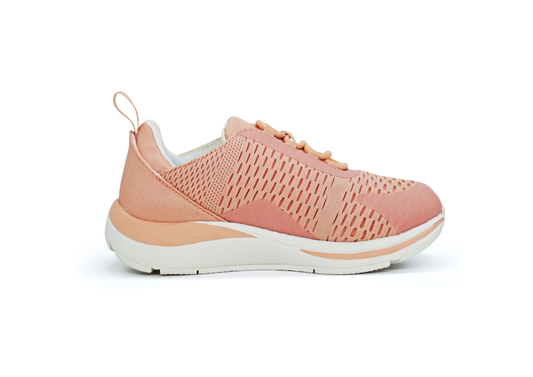
The best outcomes come from choosing footwear that matches your foot mechanics. A beautiful upper is a bonus, but it should not be the reason you tolerate poor support. For women who need style without sacrificing health, the Breezy slipper footwear womens or the Rose women slipper provide the perfect balance of aesthetic appeal and orthopedic relief.
Luxury with a Purpose: Relieving Heel and Knee Pain
Stepping onto hard tile floors each morning can trigger sharp pain for those with plantar fasciitis. Unlike flat, cheap foams, premium plantar fasciitis shoes aim to hold their shape, guiding the foot to reduce ankle roll and subsequent knee pain.
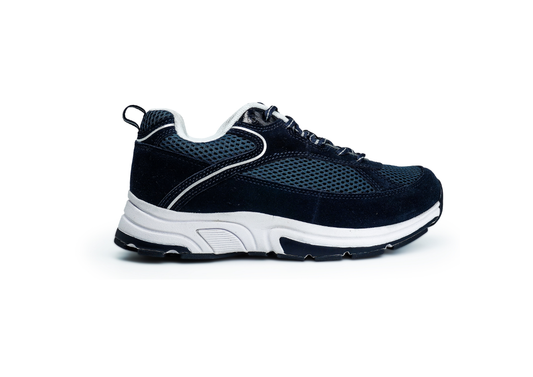
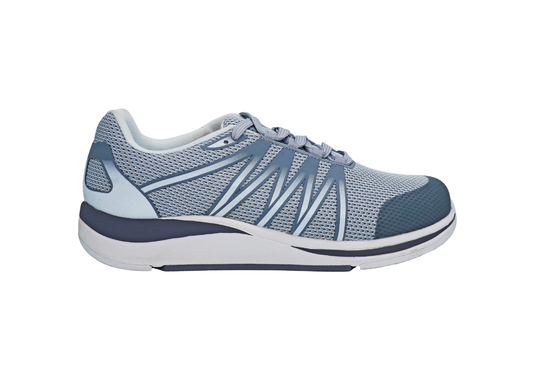
For active users, transitioning from a house slipper to a sprinter orthopedic athletic shoe or womens balance running shoes ensures that the support follows you out the door.
Protecting the Investment: Maintenance Tips
To ensure your mens orthopedic footwear or womens orthopedic shoes last, follow these steps:
-
Brushing: Use a suede brush to restore the nap.
-
Drying: Air-dry at room temperature; avoid direct heat which can warp the sole.
-
Rotation: Allow 24 hours for natural fibers to rebound.
-
Specific Care: Models like the Prince mens orthopedic footwear or Light mens orthopedic footwear benefit from regular cleaning to maintain their professional appearance.
Q&A: Expensive Slippers and Orthopedic Footwear
Q: Are the most expensive slippers automatically better?
A: Not necessarily. You must check for a contoured footbed and stability. The Aaron comfort orthopedic shoes for men provide high-end comfort based on science rather than just a luxury price tag.
Q: Can I use custom orthotics in slippers?
A: Only if they have a removable footbed. Options like the Sawyer womens orthopedic sandal are designed with this versatility in mind.
Q: What about outdoor support?
A: If you enjoy walking, consider the Player mens orthopedic walking shoes or the Chippy comfort orthopedic walking shoes for women for consistent support across all terrains.
The Takeaway: Support Over Status
Whether you are looking for flat feet pes planus correction or simply the best mens orthopedic sandal for summer, the lesson is clear: price is secondary to structure. Explore specialized collections like the Sweet Walker or Leaf Ortho to find your perfect fit.
From the pursuit womens slip on to the stable mens walking shoe, investing in your feet is the ultimate luxury.
