


All Types of Shoes Name: Orthopedic-Focused Guide
Guide to All Types of Shoes: Master Names, Styles, and Orthopedic Benefits
Mastering an all types of shoes name list is more than just a fashion exercise—it is a powerful tool for your health. E-commerce data reveals that millions of shoppers abandon their searches because they lack the specific vocabulary to find what they need. When you are searching for comfort shoes brands or specialized orthopedic footwear, knowing the right terminology ensures you find a fit that prevents injury and supports your lifestyle.
In the world of podiatry, "form follows function." To find the best footwear, you must look beyond the silhouette and evaluate the clinical basics: toe-box shape, midsole support, and heel stability.
The Orthopedic Checklist: The 60-Second Fit Test
Before buying from any popular name brand shoes, run this quick screen to ensure your foot health:
-
Toe Box: Must be wide enough for toes to splay naturally (anatomical shape).
-
Midfoot Support: The shoe should not twist easily in the middle.
-
Removable Insole: Essential for those who use custom orthotics.
-
Heel Counter: A firm back section is required to control rearfoot movement.
-
Outsole: Look for wide sole shoes to provide a stable base of support.
Dress Shoes: Oxfords vs. Derbys
Understanding construction is key to finding a dress shoe that doesn't cause pain. In the Oxfords vs. Derbys debate, the difference lies in the lacing:
-
Oxfords (Closed Lacing): These have a sleek, formal look, but the sewn-shut flaps offer less room for high arches. If you need a formal look with better depth, consider a high-quality Prince Men's Orthopedic Dress Shoe.
-
Derbys (Open Lacing): The lace flaps open wider, making them much more adaptable for arthritis footwear needs and foot swelling.
Casual Favorites: Loafers, Moccasins, and Boots
Slip-ons are convenient, but they must be structured. For those seeking ease without sacrificing support, slip-on orthopedic shoes for women provide the necessary heel tension that standard moccasins lack.
Supportive Boot Silhouettes:
-
Chelsea Boots: Use elastic side panels; look for firm heel counters.
-
Lace-up Boots: These offer the best ankle stability. Many people with chronic pain opt for orthopedic walking shoes for men in a boot-style build for maximum security.
Athletic Sneakers Explained
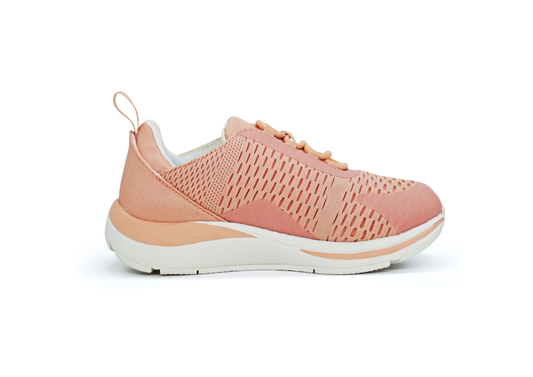
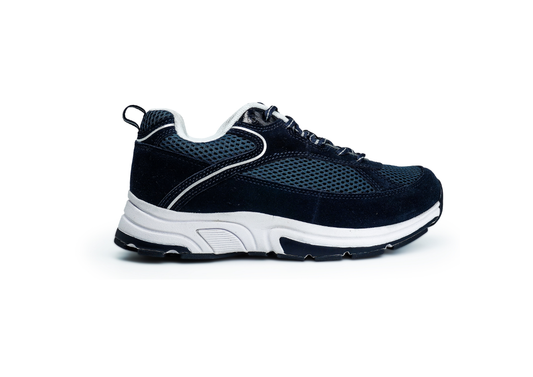
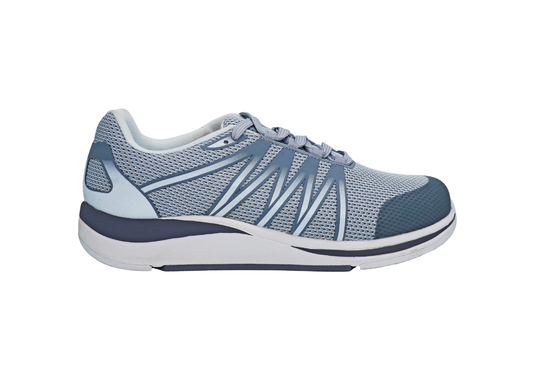
The sneaker category is the gold standard for orthopedic-friendly innovation. Whether you are looking for "motion control" or "neutral" uppers, the goal is impact reduction.
-
For High Impact: Look for stability running shoes for women to manage overpronation.
-
For Daily Commutes: A dedicated orthopedic athletic shoe provides shock-absorbing foam that lifestyle sneakers often lack.
Summer & Indoor Comfort: Sandals and Slippers
Hot weather shouldn't mean a lack of support. Avoid flat flip-flops and instead choose orthopedic sandals for men that feature contoured footbeds and adjustable straps. For indoor use, protecting your feet from hard floors is vital; breezy orthopedic slippers help maintain your arch even while at home.
Q&A: Orthopedic Shoe Guide (India Edition)
| Question | Orthopedic Insight |
| What are therapeutic shoes? | Therapeutic shoes are designed specifically to treat or manage clinical foot conditions. |
| Best shoes for heel pain? | Look for plantar fasciitis shoes with a deep heel cup and superior cushioning. |
| Can I find quality under ₹1,000? | Yes, but prioritize stable outsoles and breathable cloth shoes over "fashion-only" flats. |
| Are cloth shoes healthy? | They are breathable, but only if they have a structured sole and room for an insole. |
Conclusion: Vocabulary Meets Wellness
By learning the names of shoe silhouettes—from Derbys to Chukkas—and combining them with orthopedic principles like extra-depth and wide toe boxes, you transform your shopping experience. Whether you are browsing for diabetic footwear or simply the best walking gear, prioritize fit and function to keep your feet healthy for years to come.
Do you have a specific foot condition you're trying to match with a shoe style?
