


Best In House Slippers for Ultimate Comfort
The Ultimate Guide to Cozy In-House Slippers
Kicking off tight work boots feels incredible, until your bare feet hit the cold kitchen tile. While hardwood floors look beautiful, standing on them during evening chores triggers hidden foot fatigue. Just as a house relies on a level foundation to prevent structural damage, your body needs a supportive base, making proper in-house slippers essential.
From an orthopedic footwear perspective, the true benefits of wearing indoor shoes come from controlled alignment and pressure distribution, not just softness. Quality indoor footwear spreads your weight evenly across your footprint instead of forcing your heels to absorb every jarring shock. Upgrading from fashion-only slides to health-focused support can help you pass "The Morning Test"—waking up without those stiff, aching arches.
The Hard Truth About Hardwood: How Proper Support Protects Your Feet Indoors
Walking on hard tile in completely flat slippers quickly undoes the relief of taking off your work shoes. Many people confuse plush cushioning with actual support, settling for what are essentially just "socks with soles." Orthopedic house shoes are designed to stabilize the foot, limit excessive pronation, and reduce repetitive strain during everyday indoor tasks. To keep your joints happy, you need indoor footwear with real structure, especially if you have flat feet or pes planus, high arches, or recurrent heel pain.
Without that built-in foundation, you might wake up with plantar fasciitis—a sharp, stabbing pain in your heel caused by strained ligaments. For at-home relief and prevention, look for an ergonomic design for all-day wear that includes:
-
A contoured footbed to trace and fill your natural arch.
-
A deep heel cup to help stabilize your rearfoot with each step.
-
A supportive midsole that resists collapse, bending mainly where your toes naturally flex.
You can quickly check this quality using the "Twist Test" before you buy. If you can wring the slipper out like a wet washcloth, it likely lacks the firmness associated with orthopedic indoor footwear.
Warmth Without Sweat: Linings That Support Winter and Summer Comfort
Stepping out of a supportive shoe shouldn't mean stepping into a sauna. The secret to avoiding that clammy feeling is selecting breathable, moisture-managing materials that keep skin drier and reduce friction. That matters in orthopedic footwear because moisture and rubbing can aggravate calluses and irritation, especially during long hours in slippers for indoor use.
When comparing wool vs synthetic lining for warmth, your personal sweat level dictates the winner. Natural wool acts as a strong climate regulator, pulling moisture away from your skin so heavy perspirers stay drier. Conversely, synthetic fleece traps heat aggressively. While incredibly soft, fleece can breathe less, making it better suited for individuals whose toes are always freezing.
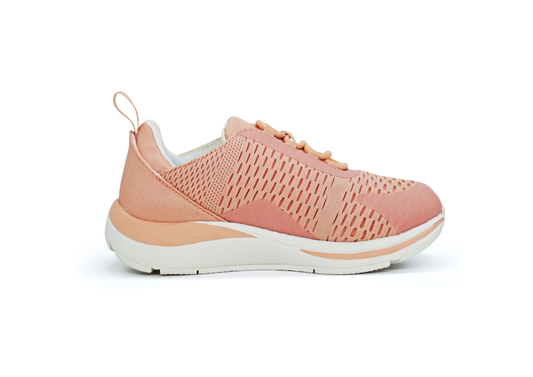
Match fabric to your household temperature when choosing winter home slippers or summer home slippers. For women looking for the perfect blend of softness and stability, the Breezy slipper footwear for women offers an ideal breathable solution.
From Slides to Clogs: Choosing Orthopedic-Friendly Slipper Styles
How you move around your house should dictate your footwear’s shape. Choosing between open-toe vs closed-toe comfort also affects stability. If you primarily relax on the couch, lighter home sandals can be convenient. However, if you stand to cook, carry laundry, or climb stairs, a closed-toe design (or a closed-back style) can keep your foot more securely anchored.
To match your specific slippers for room routines, consider these three structural designs:
-
Mules: Backless and easy to kick off; the Slippers Roman for men provides this convenience without sacrificing the contoured base.
-
Clogs: Built with a supportive heel cup and a firmer platform, offering stability for long standing sessions in the kitchen.
-
Booties: Wrapping around the ankle for warmth; choose models with a structured sole so the softness does not compromise support.
Beyond personal comfort, designated indoor footwear helps keep your living space cleaner. Providing hygienic guest slippers or house shoes also supports a polite "shoes-off" policy that limits outside dirt at the door.
Traction, Fit, and Freshness: Practical Orthopedic Details People Miss
Navigating a wet bathroom floor in worn-out footwear is like driving on icy roads with bald tires. To reduce fall risk, regularly inspect the bottoms of your slippers. Safe non-slip soles for hardwood floors and tile rely on deep traction patterns—often rubberized grooves or textured lugs—that grip smooth surfaces.
Orthopedic comfort also depends on fit. Slippers that are too loose can make your foot slide, increasing friction; overly tight styles can compress the forefoot and irritate bunions. If you suffer from chronic discomfort, exploring a dedicated collection of plantar fasciitis shoes can provide the specialized engineering your feet crave.
Q&A: In-House Slippers as Orthopedic Footwear
Are orthopedic slippers actually different from regular in house slippers?
Yes. Orthopedic-style slippers are built to manage alignment and load, typically using a contoured footbed and a firmer midsole. Regular slippers may feel soft but often lack the structure that supports the arch.
Can house shoes help with plantar fasciitis at home?
Supportive house shoes, such as the Slipper Rose for women, can reduce strain by keeping the arch from collapsing and by cushioning heel impact on hard floors.
Do I need a winter indoor slippers pair and a summer pair?
Often, yes. Winter pairs may need warmer linings, while summer home slippers benefit from lighter materials. In both cases, keep the orthopedic features consistent: contoured support and reliable traction.
The Step-by-Step Path to All-Day Comfort
You no longer need to view in-house slippers as a casual impulse buy. They function as a daily recovery tool. Grab your current pair and try the "Twist Test"—if they wring out like a towel, it’s time to upgrade. When selecting new indoor footwear, ask yourself:
-
Is the sole sturdy and slip-resistant?
-
Is the material breathable for my home's climate?
-
Is there a heel cup and arch contour that feels stable?
Your home is your ultimate space for rest, and recovery begins the moment you walk inside. Whether you choose men's orthopedic shoes or women's orthopedic shoes, the right foundation keeps you comfortable long after the workday ends.
