


Best Men's Sandals: Top 10 Stylish, Comfortable Picks
Top 10 Stylish Men's Sandals for Summer
We’ve all been there: It’s 90 degrees outside, and your go-to sneakers suddenly feel like miniature ovens. Seeking instant heat relief, many guys grab standard mens sandals, treating them as cheap, disposable footwear. From an orthopedic-footwear perspective, that “anything goes” approach is a costly mistake, because completely flat flip-flops can force your toes to grip unnaturally and reduce shock absorption, which is a common pathway to heel pain, forefoot irritation, and aggravated arch fatigue.
Finding truly comfortable sandals for men means thinking like a clinician for thirty seconds: Does the sandal stabilize the heel? Does it support the medial arch? Does it attenuate impact at heel strike? You can quickly filter out many poor options using a three-second physical check called the "flex test." Grab any sandal shoes mens and try to bend it completely in half. If the sole folds easily, it typically lacks the torsional rigidity that orthopedic footwear relies on to keep the foot from collapsing into overpronation during long walks.
The Stylish Ten: Orthopedic-Forward Sandals for Every Occasion
Upgrading your warm-weather wardrobe isn’t about buying the most expensive designer labels; it is about building a versatile rotation of casual sandals for men that align with real biomechanics. Whether you are walking the dog, commuting in humidity, or navigating a wet monsoon street, the right sandal can reduce cumulative load on the plantar fascia and Achilles by combining a supportive footbed, a secure upper, and a stable outsole.
A common orthopedic hallmark is a contoured footbed with a defined heel cup. Think of the heel cup as a shallow “socket” that limits unwanted heel drift, improving alignment from the rearfoot upward. Another hallmark is an anatomic arch profile that doesn’t collapse immediately under body weight; this is why many mens buckle sandals and structured slides feel better over long durations than soft, flat slippers.
For many wearers, especially those who experience swelling or have wider feet, adjustable strap geometry is not a style detail—it is a fit-and-function requirement. Sport sandals equipped with multiple velcro straps allow micro-adjustment across the forefoot and instep, helping keep the calcaneus seated and minimizing friction points that become blisters. If you routinely walk on uneven terrain or stand for hours, this “locked-in” sensation can be the difference between a comfortable day and a painful evening.
To cover the most common use-cases (and the most common orthopedic complaints), here are ten essential styles to consider for your rotation:
-
Mens leather flip flops: Choose pairs with a contoured footbed and thicker midsole for beachside dinners or resort lounging; avoid paper-thin, fully flat options.
-
Sport sandals: Best for active weekends; prioritize heel straps, a deep heel cup, and a rocker-like sole that reduces forefoot load.
-
Ergonomic cork slides: Best for all-day walking and household chores; cork can “learn” your foot shape over time when the structure is firm enough.
-
Mens buckle sandals: Best for smart-casual events; buckles allow fit tuning while maintaining a stable upper. For premium comfort, check out the Jackson mens orthopedic sandal diabetic comfort.
-
Rainy season sandals for mens: Best for wet commutes; look for EVA or rubber with tread, plus enough midsole thickness to keep impact controlled.
-
Traditional sandals for men (including sandal chappal / gents ka sandal): Best for relaxed neighborhood errands; prefer versions with a contoured footbed rather than a flat leather slab. The Sandal Rogar mens is an excellent choice for a structured traditional feel.
-
Closed-toe sandals: Best when toe protection matters; orthopedic-friendly designs keep the forefoot from splaying on impact.
-
Fisherman sandals: Best for dressier summer evenings; look for firm footbeds and straps that hold the midfoot without pinching. Explore the Sandal Remy mens for a sophisticated yet supportive option.
-
Recovery slides: Best after sport; select models marketed for cushioning plus arch support, not just softness.
-
Leather cross-strap slides: Best with linen pants; select a cross strap sandals mens style that prevents the foot from “clawing” to stay on. The Slippers Roman mens provide that secure, stylish fit.
In India’s summer and monsoon cycles, comfort is never just about breathability; it is about managing load, moisture, and stability. Even the most stylish sandals will feel wrong if they don’t respect your foot mechanics. To increase the odds that your next pair behaves like orthopedic footwear (without looking clinical), use a fit check grounded in how the foot moves.
The 3-Point Fit Check: A Practical Orthopedic Screen
Knowing your standard shoe size is just the starting point. First, leave a half-inch of space in front of your toes; this reduces distal toe trauma during long walks and decreases blister risk. Second, check the heel cup: your heel should sit squarely inside the contour—never hanging over the edge—so the rearfoot stays centered and the ankle is less likely to roll.
Third, assess midsole geometry, not just softness. Searching for soft sandals for men can backfire if “soft” means unstable. The best sandals for men who want orthopedic-style support usually combine cushioning with structure: an arch profile that resists collapse and a sole that does not twist easily. If you have flat feet, plantar heel pain, or a history of ankle sprains, this structural element is often the main difference between short-term comfort and long-term tolerance.
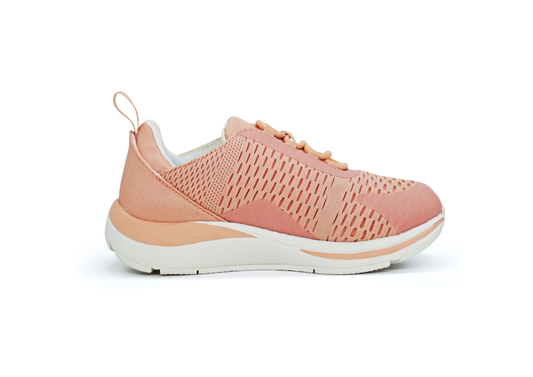
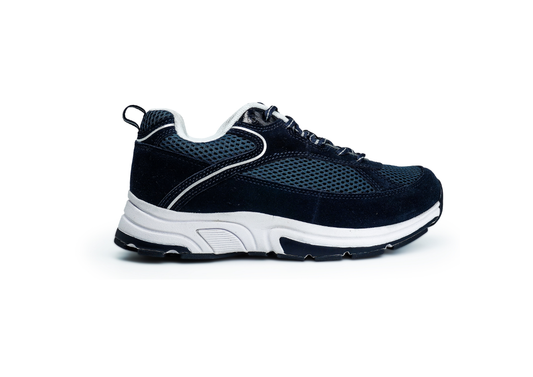
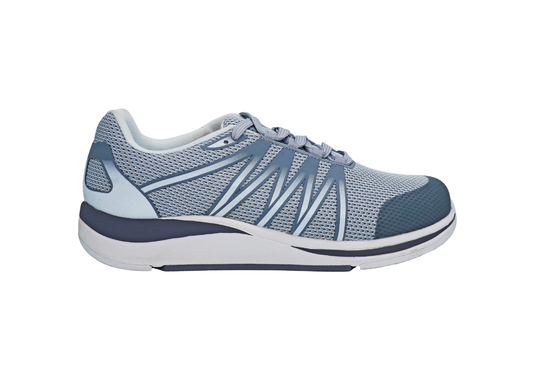
For those requiring closed-shoe support, you can find options in the mens shoes orthopedic collection, such as the Aaron comfort orthopedic shoes for men or Player mens orthopedic walking shoes.
Material Decoded: Pure Leather vs. All-Weather Synthetics
For wet conditions, especially in monsoon months, EVA is a practical choice because it is lightweight and water-resistant. Paired with a grippy rubber outsole, mens all weather sandals can reduce slip risk on polished tile and wet pavement. If you are specifically shopping for rainy sandals for mens, prioritize drainage-friendly uppers and tread patterns that maintain traction when the surface film is thin and oily.
Conversely, stepping into pure leather sandals offers an unmatched premium feel for dry land and semi-formal settings. Classic mens brown leather sandals or mens black leather sandals may feel stiff initially, but the material can soften with a controlled break-in—provided the underlying footbed is supportive. For a more polished look, formal sandals in leather (including mens slip on sandals and mens toe loop sandals) can work well if the insole is contoured and the upper holds the foot securely rather than letting it slide. Options like the Victor mens orthopedic footwear black, Prince mens orthopedic footwear black, and Light mens orthopedic footwear brown bridge the gap between formal style and foot health.
Color, Closure, and Foot Control: Style That Still Supports
Color is easy; biomechanics is not. Mens black sandals tend to read sharper and pair cleanly with darker summer outfits, while mens brown sandals and mens tan sandals often look more relaxed with linen and khadi. Closure is the more orthopedic-relevant variable: buckles and multi-strap systems typically manage foot motion better than a single thin thong.
If you are considering mens heel sandals or high heel sandals for men, treat the heel height as a load-shifting tool. Added heel height can reduce strain on the Achilles in some contexts, but it can also increase forefoot pressure and destabilize the rearfoot if the base is narrow. In other words: “heel” is not automatically “bad,” but it becomes risky when it is paired with a flimsy outsole or insufficient midfoot support. For conditions like heel pain, specialized footwear is essential.
Q&A: Orthopedic Footwear Answers for Men’s Sandals
-
Q1) What makes a sandal “orthopedic” rather than just comfortable?
Orthopedic footwear is defined less by softness and more by alignment and load management. Look for a contoured footbed (arch support + heel cup), a sole that resists twisting, and an upper that secures the midfoot so you’re not gripping with your toes to keep the sandal on.
-
Q2) Are leather sandals better for foot health than synthetic sandals?
Not inherently. Pure leather sandals can be excellent if the footbed is structured; they can also be problematic if they are flat and floppy. Synthetics (EVA, rubber) often outperform leather in wet traction and monsoon durability, which matters for rainy season sandals for mens.
-
Q3) I have flat feet—what should I prioritize when buying mens sandals?
Prioritize arch support that does not compress to nothing, plus a deep heel cup and a stable outsole. Browse the flat feet pes planus collection for curated choices. Avoid ultra-flexible designs and extremely thin sandal chappal styles unless they are specifically built with contour and structure.
-
Q4) Do sport sandals help with heel pain?
They can, when they have a supportive footbed and a secure heel strap. Heel pain is multifactorial, but many people do better in sport sandals than in flat flip-flops because the foot is stabilized and impact is better controlled. See more at plantar fasciitis shoes.
-
Q5) Are toe-loop or cross-strap sandals a good idea for long walks?
They can be, if the straps prevent sliding and the sole is supportive. A cross strap sandals mens design that is stylish but unstable will still cause fatigue; a well-structured one can reduce toe gripping and improve walking efficiency.
-
Q6) What’s the best option for monsoon commuting in India?
Choose mens all weather sandals with water-resistant materials, reliable tread, and a footbed that doesn’t become slick when wet. “Rainy sandals for mens” should also dry quickly to reduce odor and skin irritation.
-
Q7) I wear a larger size (for example, size 12 sandals mens). Does support matter more?
Often, yes. Larger sizes can amplify leverage and twisting forces on the sole, so choose sandals with higher torsional stiffness, a wider base, and secure closures such as buckles or multi-strap systems.
-
Q8) Where should I shop if I want supportive sandals?
When buying men sandals online, filter for features (arch support, heel cup, adjustable straps) rather than only looks. Collections like Leaf Ortho and Sweet Walker offer great specialized options. Read return policies carefully, because proper fit is integral to orthopedic function.
Longevity: Staying Fresh Without Losing Structure
Whether you choose mens black leather sandals for evenings or mens brown leather sandals for daily use, protect your investment with basic care. Wipe away daily dust, condition leather sparingly, and air-dry away from direct heat. For EVA and rubber, rinse after exposure to mud or saltwater and let the footbed dry fully to keep traction and reduce odor.
Before buying, run through a final orthopedic checklist: demand arch support, verify heel containment, check torsional stability, and ensure the straps hold your foot without forcing toe-grip. Do that, and your “summer style” upgrade becomes a genuine comfort upgrade—one that supports your feet through heat, travel, and monsoon streets.
For those with specific needs, you can also explore specialized categories like diabetic footwear, arthritis footwear, and therapeutic shoes. We also carry a wide range of womens shoes orthopedic, including the Sawyer womens orthopedic sandal and Buttercup orthopedic sandal women.
