
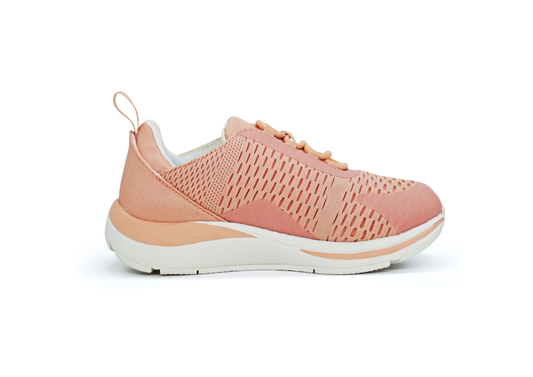
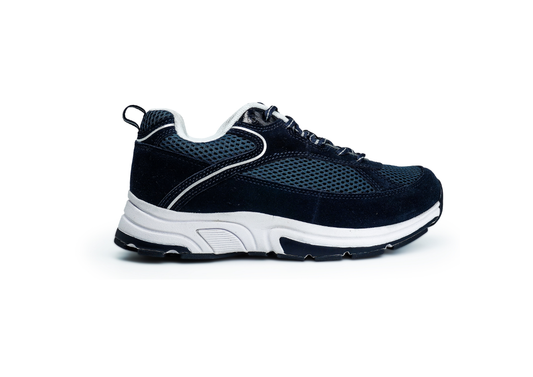

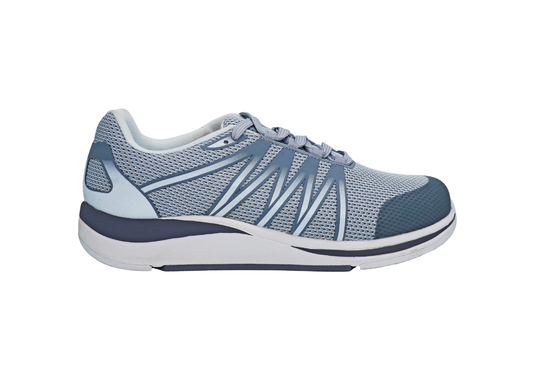

MCP Slippers: Style & Orthopedic Comfort
The Comfort and Style of MCP Slippers
Slippers are the footwear you wear the most—at home, on quick errands, and often for hours at a time. That’s exactly why comfort alone isn’t enough: the right pair should also support your feet and joints. In this guide, we look at MCP slippers through the lens of orthopedic footwear: what features matter, who benefits most, and how to pick a pair that feels good today and still treats your feet kindly months from now.
What makes a slipper “orthopedic”?
Orthopedic (or supportive/comfort) footwear is designed to improve alignment and reduce stress on the foot, ankle, knees, hips, and lower back. For slippers, that typically means:
-
Structured footbed: Not a flat sheet of foam, but one designed to guide posture.
-
Arch support: Matched to your foot type to prevent collapse.
-
Heel stability: To limit wobble and overpronation.
-
Cushioning with rebound: To absorb shock without flattening out.
-
Secure fit: So the toes don’t “grip” to keep the slipper on.
If you’ve ever felt tired feet after standing in the kitchen, noticed heel pain first thing in the morning, or felt pressure under the ball of the foot, these design choices can make a meaningful difference.
Key orthopedic features to look for in MCP slippers
1) Arch support that’s present—but not aggressive
A supportive arch helps distribute pressure away from the heel and the ball of the foot. The goal is gentle guidance, not a hard ridge. If you’re new to arch support, start with moderate support and wear the slippers for short periods for the first few days.
2) Heel cup for stability
A slightly raised, contoured heel cup helps keep the heel centered. This can improve stability if you tend to roll inward (overpronation), and it often feels more secure on smooth indoor floors.
3) Cushioning that doesn’t flatten quickly
Soft foam can feel pleasant in the shop but compress into a flat pad over time. Look for multi-layer cushioning or a supportive midsole that offers both comfort and structure—especially if you’re using the slippers daily.
4) Rocker-friendly sole and forefoot flexibility
A sole that bends at the right spot (near the ball of the foot) helps your gait feel natural. Too stiff can feel clunky indoors; too flexible can remove support.
5) Non-slip outsole for Indian floors and monsoon months
Tiles and polished stone can get slippery—particularly during monsoon season. A grippy outsole pattern is a practical orthopedic feature because it reduces slip risk and the sudden jolts that aggravate knee and back discomfort.
Who benefits most from supportive slippers?
Supportive slippers are a strong choice if you have (or are trying to prevent) common foot concerns such as:
-
Plantar fasciitis/heel pain: Arch support and heel cushioning can reduce morning pain triggers. Explore our plantar fasciitis shoes collection for options that specifically target this discomfort.
-
Flat feet or overpronation: A structured footbed can improve alignment and reduce fatigue. View our flat feet (pes planus) collection for specialized support.
-
Metatarsalgia (ball-of-foot pain): Cushioning and a supportive forefoot help spread pressure.
-
Arthritis/stiffness: Stable soles and easy on/off designs, like those found in our arthritis footwear section, reduce strain.
-
Diabetes or sensitive feet: Seamless interiors and gentle support help reduce rubbing points. For those requiring extra care, check out our diabetic footwear collection.
Note: If you have severe pain, numbness, wounds, or rapidly worsening symptoms, treat slippers as comfort support—not a medical substitute—and consult a podiatrist/orthopedic specialist.
Comfort meets style: making orthopedic slippers look good
Orthopedic footwear doesn’t have to look clinical. Modern comfort slippers can be minimal, clean, and versatile while still offering support. Look for:
-
Neutral straps/uppers that work with homewear and casual errands.
-
Refined textures (matte, woven, or soft-touch finishes) that elevate the look.
-
Slim but structured profiles—the footbed can be supportive without appearing bulky.
For a blend of indoor comfort and feminine style, the slipper rose women or the breezy slipper footwear for women offer excellent supportive features in elegant designs.
Choosing MCP slippers for ladies: fit and foot-shape considerations
When shopping for mcp slippers for ladies, prioritize fit over “breaking in.” A supportive slipper should feel secure immediately, without squeezing.
-
Toe space: Toes should lie flat and relaxed; avoid cramped front edges.
-
Midfoot hold: The slipper shouldn’t slide side-to-side; adjustable straps help.
-
Heel security: Your heel shouldn’t lift excessively with each step.
-
Width options: If you have bunions or broader forefeet, look for a shape that doesn’t press on the big-toe joint.
For men looking for similar comfort, the slippers roman mens provide a sturdy and reliable fit for daily indoor use.
How to test orthopedic support at home (in 2 minutes)
-
Stand still: Feel whether your weight is evenly distributed (not collapsing inward).
-
Walk 20–30 steps: Notice if your feet feel guided rather than “floppy.”
-
Check toe gripping: If you’re curling your toes to keep the slipper on, you need a more secure fit or strap.
-
Recheck after 30 minutes: Supportive slippers should reduce fatigue, not create new pressure points.
Care tips to keep the support working
-
Rotate pairs if you wear slippers all day; this helps cushioning rebound.
-
Keep them dry; moisture and heat can speed up midsole breakdown.
-
Replace when the footbed flattens or the outsole loses grip—supportive features wear out gradually.
Q&A: MCP slippers and orthopedic footwear
Q1) Are MCP slippers actually orthopedic?
A slipper is “orthopedic” when it has structural support—arch support, a stable heel, and a footbed that holds its shape. If your MCP slippers include these elements, they function as orthopedic-style comfort footwear. For a more formal transition, you might consider therapeutic shoes for long-term health.
Q2) Can supportive slippers help plantar fasciitis?
Yes, they can help reduce strain by supporting the arch and cushioning the heel. For those who need a more active solution outside the house, the sprinter orthopedic athletic shoe for women is an excellent choice.
Q3) What’s better: very soft slippers or supportive slippers?
Very soft slippers can feel comfortable briefly but lack alignment support. Supportive slippers aim for a balance: cushioning plus a footbed that doesn’t collapse.
Q4) Are MCP slippers for ladies suitable for swollen feet?
If the design includes adjustable straps, like many models in our women's orthopedic shoes collection, they can be much more comfortable during swelling.
Q5) When should I choose medical-grade footwear instead?
If you have open sores or significant neuropathy, you may need dedicated diabetic footwear or specific models like the stable mens orthopedic walking shoes.
Bottom line
The best slippers are the ones you can wear for hours without thinking about your feet. When MCP slippers are chosen with orthopedic principles, they deliver both everyday comfort and better long-term foot wellness. Whether you are browsing mens orthopedic shoes or stylish options for women, prioritize fit and stability to feel the difference every single day.
