
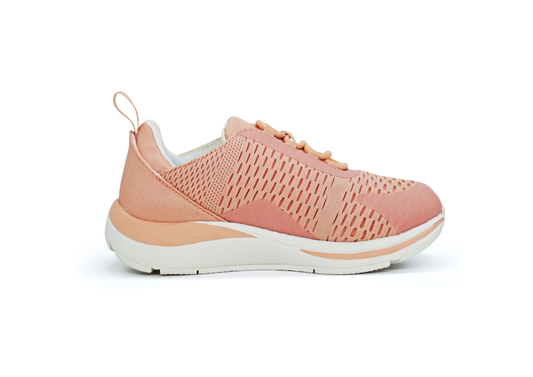
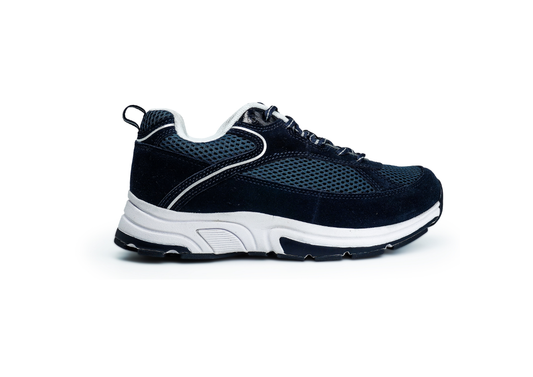

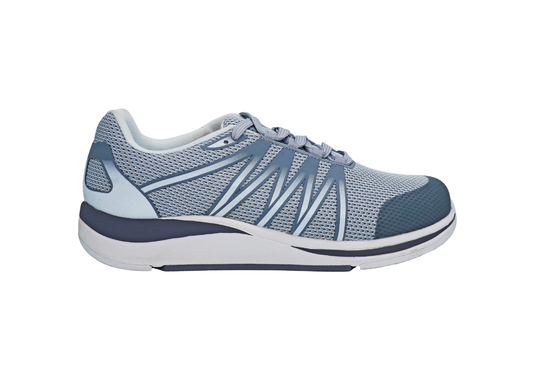

Simple Footwear for Girls: Orthopedic Casual and Formal
Finding the right shoes for your daughter shouldn't be the hardest part of your morning routine. If you're aiming for orthopedic-friendly choices, a function-first approach matters even more: look for simple footwear for girls that supports natural alignment, cushions impact and avoids pressure points. Minimalist silhouettes can still be "foot-health smart" when they're built with a stable base, a supportive insole and a flexible (not flimsy) sole.
Pediatric foot and ankle specialists often emphasize that supportive shoes can help growing feet develop healthy movement patterns. Because children outgrow sizes quickly, it's worth prioritizing everyday comfortable walking shoes for kids that bend where the foot bends, hold the heel securely and leave room for toes to spread naturally. When browsing online for "new latest shoes for girl" styles, filter for pairs that meet these basics rather than just looks.
Beyond physical support, neutral designs are easy to style, and quality construction is usually easy to spot. When you choose orthopedic-minded everyday shoes now, you also build habits that carry into later choices like comfortable footwear for ladies, formal footwear for ladies and office-ready pairs. These habits carry across types of footwear for ladies and trusted women footwear brands as she grows.
The 'Rule of Thumb' for a Perfect Fit: How to Measure Girls' Shoe Size at Home to Prevent Blisters and Discomfort
Kids' feet swell from running and playing all day. This natural "afternoon foot expansion" means shoes that fit perfectly at breakfast might pinch by dinner. To prevent blisters in new shoes, measure in the late afternoon when her feet are naturally at their largest. Figuring out how to measure girls shoe size at home requires just a few basics:
-
Have her stand normally on a blank piece of paper.
-
Trace both feet with a pencil held completely straight up and down.
-
Use a ruler to measure the longest footprint, then add exactly 12mm (about half an inch).
This "12mm rule" provides the essential room she needs for rapid growth without making the shoe dangerously loose. For orthopedic comfort, pay attention to width and toe shape too. If her foot spills over the edge of the sole, leaves red marks, or the toe box narrows into a point, the shoe is likely too narrow and can encourage rubbing and poor toe alignment. Breathable materials that keep feet cool are the next critical factor for all-day comfort.
Canvas vs. Synthetics: Choosing Breathable Materials that Survive the Playground without Trapping Heat
Active kids generate surprising body heat, making the material of the shoe's upper---the part covering the foot---crucial. Synthetic fabrics can trap sweat, increasing friction and odor. For day-to-day wear, breathable canvas sneakers for casual wear---think casual footwear for girls and casual footwear for women---or soft leather uppers often allow better airflow and reduce irritation.
Breathability shouldn't mean sacrificing longevity. When evaluating leather vs synthetic materials for durability, natural materials often hold up better because they bend repeatedly without cracking. Check seams and reinforcement around the toe. Quality uppers use strong stitching and toe guards, while fast-fashion options may rely on weak adhesives that separate after a few rough days. Orthopedic-minded uppers should also help the shoe stay centered on the foot. A secure heel counter (the firm back part of the shoe) and adjustable closures (laces/Velcro) can reduce slippage and the "clawing" some kids do with their toes to keep loose shoes on.
The 'T-Shirt vs. Cardboard' Test: Identifying Flexible Soles for Natural Movement and Safety
Because growing feet are still developing, a shoe's bottom must bend where the foot naturally hinges---near the ball of the foot. When choosing flexible footwear for natural movement, avoid soles that stay stiff like cardboard. Excessive stiffness can make gait awkward and increase fatigue, while overly thin soles may lack cushioning for hard Indian pavements and school corridors.
Test this quickly in the aisle: press the toe upward and confirm the shoe flexes at the ball of the foot, not in the middle. Then twist the shoe gently---some twist is normal, but it shouldn't wring like a cloth. Orthopedic comfort usually comes from a balanced sole: flexible in the right place, stable under the arch and heel. For safety, always check for non-slip rubber soles, especially for monsoon season surfaces. Grip matters as much as comfort.
Orthopedic Features to Look For in Simple Footwear (Without Making It Bulky)
"Orthopedic footwear" doesn't have to look medical. Many mainstream women footwear brands, comfortable footwear brands for ladies, and kids' ranges now build support into simple designs. Look for these practical features:
-
Firm heel counter: Helps keep the heel aligned and reduces wobble.
-
Cushioned, removable insole: Makes it easier to clean and to use prescribed orthotic inserts if needed.
-
Arch support that matches her foot: Especially helpful for flat feet or overpronation, but it should feel comfortable---not poky.
-
Wide, round toe box: Lets toes spread naturally and reduces pressure on the little toe.
-
Adjustable closure: Laces or Velcro help you dial in fit across the midfoot.
If she has persistent heel pain, frequent ankle rolling, or knee/hip discomfort, consider getting a professional fit check from a podiatrist or orthopedic specialist before you buy multiple pairs.
Polished Without the Pain: Selecting Formal Shoes and Understated Flats for Special Occasions
Special occasions shouldn't mean abandoning foot support. For kids and teens, avoid raised heels that can strain developing arches. Instead, choose "crossover footwear" like Mary Janes, supportive ballet flats, or low-heel options with a stable base. If you're shopping for formal footwear for ladies later on, the same principles apply: stability, cushioning and a secure heel. If you prefer to try on pairs locally, searches like "formal shoes for women near me" can help you find stores with proper fittings.
Keep this checklist in mind when evaluating formal office shoes for ladies-inspired styles (for older teens) or dress shoes for events:
-
Secure strap or lace-up: Helps prevent sliding and toe gripping.
-
Padding at the collar: Cushioned heel rims help prevent blisters during long events.
-
Low, wide heel (or no heel): If you need formal shoes for women without heels, look for a structured sole and supportive footbed instead of a paper-thin flat. Many brands offer ladies shoes without heels that still look polished.
These details also matter when you're comparing semi formal shoes womens styles or searching for comfortable formal shoes womens options: structure and fit are what keep "pretty shoes" wearable. Use the same checklist to shortlist the best formal shoes for women; some retailers even label structured office-ready designs as pro ladies shoes.
Making Simple Shoes Last: Cleaning Tips for White Textile and Maintaining Minimalist Sandals
Keeping versatile basics fresh doesn't require expensive products. A simple baking soda and water paste works well. Scrubbing this mixture into fabric is one of the best cleaning tips for white textile shoes, lifting dirt without harsh chemicals. For orthopedic sandals, focus on the footbed too. Wipe down contoured footbeds regularly and let them dry fully to avoid odor buildup. Flip sandals over to check traction; when tread patterns wear smooth, grip drops and slips become more likely.
Q&A: Orthopedic Footwear for Girls (Everyday, School and Occasions)
1) What makes a shoe "orthopedic" for a girl? It usually means the shoe supports alignment and reduces strain: a firm heel counter, a stable base, cushioning, and a toe box that doesn't squeeze toes. It doesn't have to be heavy or unattractive.
2) Do girls with flat feet need arch support? Some do, some don't. If flat feet are painless and she moves well, a comfortable supportive shoe may be enough. If she has fatigue, heel pain, frequent ankle rolling, or knee discomfort, arch support or a professional assessment may help.
3) Are very soft, bendy shoes always better? No. Flexibility should be at the ball of the foot, but the shoe should still be stable under the heel and midfoot. Shoes that collapse or twist too easily may not provide enough support for long school days.
4) Can she wear orthopedic-friendly shoes for parties and formal events? Yes. Look for structured flats or Mary Janes with a secure strap, cushioning, and a stable sole. For older teens and adults, the same idea applies to formal footwear for ladies and official shoes for ladies: prioritize stability over height.
5) When should I consider orthotic inserts? If a clinician recommends them, or if she has recurring pain, significant pronation, or a noticeable gait issue. Shoes with removable insoles make therapeutic shoes much easier to use.
6) How can I tell if a shoe is causing problems? Watch for red marks, blisters, toenail pressure, new complaints of heel/arch pain, or changes in walking/running. If symptoms persist, get a professional evaluation.
The No-Complaints Walk: Your Action Plan for Stress-Free Shoe Shopping
You no longer have to guess which pairs will survive busy days. Before removing any tags, have her do a quick indoor "Park Test" in her new simple footwear for girls: walk fast, jog a few steps and climb stairs if possible. Use this final "Buy or Pass" checklist:
-
Fit: Is there a thumb's width of space at the longest toe, and does the heel stay put?
-
Support: Is the heel counter firm and the base stable?
-
Comfort: Any rubbing, pressure points, or toe squeeze?
-
Flexibility: Does the sole bend at the ball of the foot without twisting like a cloth?
Choosing long-term foot health over short-term trends pays off. Remember: if she can walk a mile without mentioning her feet, the shoe is a success.
Q&A
Question: When and how should I measure my daughter's feet, and how much growing room should I allow? Short answer: Measure in the late afternoon when feet are at their largest. Have her stand on paper, trace both feet with the pencil straight up-and-down, measure the longest outline, then add exactly 12mm (about half an inch). This 12mm rule gives healthy wiggle room for growth without making the shoe dangerously loose.
Question: Can simple, minimalist shoes still be orthopedic-friendly for growing girls? Short answer: Yes—if they’re built right. Look for a stable base, a supportive (ideally removable) insole, a flexible—but not flimsy—sole that bends at the ball of the foot, a firm heel counter, a wide round toe box, and adjustable closures (laces or Velcro) for a secure fit.
Question: Which upper materials are best for everyday comfort and durability? Short answer: Breathable canvas or soft leather uppers help keep feet cooler and reduce friction; many synthetics trap sweat. For durability, natural materials often outlast cheaper synthetics because they flex without cracking. Check for strong stitching, toe guards, and a secure heel counter with adjustable closures to reduce slippage and toe “clawing.”
Question: How do I check that a sole is flexible in the right place—and safe for school or monsoon conditions? Short answer: Do the quick aisle test: press the toe upward—the shoe should flex at the ball of the foot, not in the middle. Twist gently—some give is fine, but it shouldn’t wring like a cloth. Avoid cardboard-stiff soles, and always look for non-slip rubber outsoles for reliable grip on wet surfaces.
Question: What’s the easiest way to keep white textile shoes clean and orthopedic sandals fresh? Short answer: Use a simple baking soda–water paste to lift dirt from fabric without harsh chemicals. For sandals, wipe contoured footbeds regularly and let them dry fully to prevent odor. Flip them over to check traction—if the tread pattern is worn smooth, grip drops and slips become more likely, so it’s time to retire the pair.
