
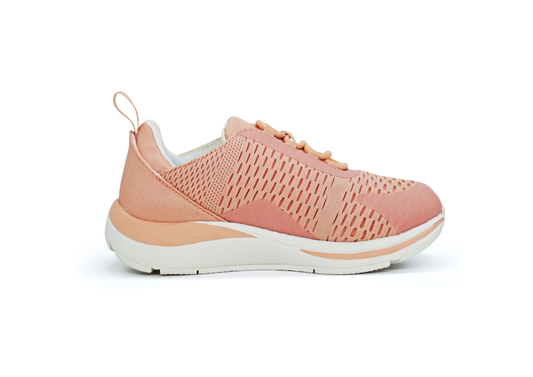
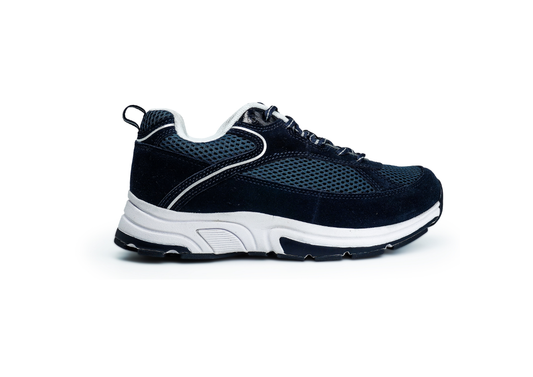

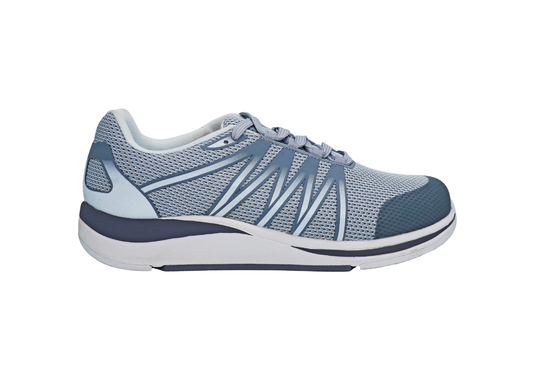

Soft Cushion Shoes: Comfort & Orthopedic Benefits
Soft Cushion Shoes: Comfort & Orthopedic Benefits
You’ve been on your feet for six hours, and every step feels exactly like you are walking on concrete. We have all experienced that brutal late-afternoon ache where style suddenly matters far less than finding immediate relief. Aching heels and sore arches can drain your energy faster than a skipped lunch, making the final stretch of a grocery run or a long hospital shift feel endless.
For many people, this isn’t only a comfort issue—it is an orthopedic problem. Repetitive impact, inadequate arch support, and unstable heel control can aggravate common conditions like plantar fasciitis, flat feet, tendon irritation, and knee or hip discomfort. In that context, soft cushion shoes become more than an indulgence: they are a practical entry point into orthopedic footwear principles, where the goal is shock management, alignment, and tissue load reduction.
According to footwear industry experts, trading your worn-out sneakers for high-quality soft cushion shoes is a reliable way to extend your daily physical endurance. These modern designs serve as dedicated impact absorption footwear for walking, intercepting the harsh shock of the ground before it travels up your legs.
The Midsole Engine: Where Your Comfort is Built
To understand why some soft cushion shoes feel like clouds while others feel like hardwood, we must break footwear down into three basic parts:
-
The Upper: The breathable fabric holding your foot in place.
-
The Midsole: The thick layer of foam sandwiched in the middle—this is the "engine" of comfort.
-
The Outsole: The tough rubber bottom gripping the ground.
That middle layer is where “foam compression” happens. Think of the midsole like a kitchen sponge. When you step down, the foam squishes to absorb your body weight, immediately taking pressure off your bones. Finding the right shoe means solving the “marshmallow versus brick” dilemma. A marshmallow is soft but unstable; a brick is supportive but hurts. The best orthopedic shoes for men and women combine a plush squish with enough structural firmness to keep your foot aligned.
How Impact Absorption Protects Your Knees and Hips
Every time your heel strikes a sidewalk, a rigid jolt of energy—known as ground reaction force—travels straight up your leg. Concrete has no give, meaning your skeletal system absorbs the entire shock.
Quality cushion sole shoes act like a shock absorber on a car. By squishing under your weight, the shoe's midsole slows down the collision between your foot and the floor. This tiny delay reduces the “peak impact,” smoothing it out before it can rattle your knees and irritate your hips. This is why many specialists suggest therapeutic shoes for those with chronic joint sensitivity.
The Best Footwear for Plantar Fasciitis Relief
Waking up to sharp heel pain usually points to the plantar fascia, a thick band of tissue running under your foot. Spending hours in flat, rigid shoes overstretches this band, causing inflammation.
The best plantar fasciitis shoes balance cushioning with three essential features:
-
A deep heel cup to cradle the heel bone.
-
Soft foam directly under the heel to act as a shock-absorbing pillow.
-
Heel-to-toe drop: A slight elevation of the heel to reduce tension on the fascia.
For active users, the Sprinter Orthopedic Athletic Shoe offers this exact balance of propulsion and protection.
Memory Foam vs. Gel: Choosing Your Level of ‘Squish’
When choosing soft cushion shoes, the decision often comes down to material density:
| Feature | Memory Foam | Gel Cushioning |
| Initial Feel | Immediate, cloud-like sink | Firmer, "waterbed" feel |
| Durability | Can "bottom out" over hours | Resists flattening; lasts longer |
| Temperature | Tends to trap heat | Stays cooler |
| Best For | Short walks / Light errands | Long shifts / Heavy heel strikes |
For those needing long-duration durability, the Aaron Comfort Orthopedic Shoes provide a stable platform that won't collapse by mid-day.
Finding Balance: Neutral vs. Stability Plush Trainers
If your ankles roll inward (pronation), ultra-soft foam can compress unevenly, leading to achy arches. This is why it’s vital to distinguish between neutral and stability trainers.
The 10-Second Twist Test:
Hold the shoe by the heel and toe and wring it like a towel. If it twists easily, it’s a neutral shoe (great for high arch/pes cavus). If it fights back, it offers stability, which is essential for flat feet (pes planus).
For a stable, walking-specific option, the Player Men's Orthopedic Walking Shoes or the Stable Men's Orthopedic Walking Shoes are designed to control excess motion.
Orthotic-Friendly Features
A shoe can be soft but still fail if it doesn't accommodate your specific needs. If you use custom inserts, ensure your footwear has:
-
Removable Insoles: Found in models like the Chippy Comfort Walking Shoes.
-
Wide Toe Box: To prevent pressure on bunions.
-
Secure Lockdown: To prevent the foot from sliding.
For those seeking a more open feel without sacrificing these benefits, orthopedic sandals for women like the Buttercup Orthopedic Sandal or the Sawyer Sandal provide adjustable straps and contoured footbeds.
When to Replace Your Cushioned Shoes
The supportive foam (midsole) expires much faster than the outer fabric. Most heel pain shoes lose their effectiveness after 300 to 500 miles.
Signs of "Compression Set":
-
Horizontal lines etched into the side of the foam (the "accordion" look).
-
A "dead" feeling where the bounce is replaced by a hard thud.
-
New or returning pain in your knees or lower back.
Your Action Plan for All-Day Comfort
Ready to upgrade? Whether you need the Balance Running Shoes for exercise or diabetic footwear for sensitive skin protection, always perform the Thumb Press and Heel Squeeze tests.
By applying these orthopedic principles, you aren't just buying a pair of shoes—you're investing in a pain-free lifestyle. Explore the full range of Sweet Walker and Leaf Ortho collections to find your perfect fit.
