


Soft Cushion Slippers: Ultimate Comfort Guide
The Ultimate Guide to Soft Cushion Slippers
You know that moment you finally kick off your restrictive work shoes at the end of a long day? It should feel like pure freedom, but if you are stepping directly onto cold hardwood or tile, that initial relief often transforms into a dull, lingering heel ache.
In orthopedic footwear terms, that transition matters because your indoor environment becomes your primary walking surface for hours at a time. Podiatrists generally agree that walking barefoot on unyielding floors forces your body to absorb the entire shock of every step. Think of the difference between bouncing on a forgiving trampoline versus landing heavily on solid concrete. Without a reliable buffer between your foot and the floor, impact loads travel through the calcaneus (heel bone) and up the kinetic chain, making joint impact distribution a critical factor in preventing daily foot fatigue.
Upgrading your evening routine with soft cushion slippers changes this harsh dynamic instantly. Rather than serving merely as cozy house accessories, ultra soft slippers can function as orthopedic-adjacent recovery footwear: they deliver immediate ache relief, protect joints from repetitive micro-impact, and surround tired feet in soothing warmth. For those who need this level of support during outdoor activities as well, orthopedic athletic shoes for women provide a similar transition from impact to comfort.
Yet, finding the right pair requires looking past the initial squish factor. While basic super soft slippers might offer an instant marshmallow-like sink when you first put them on, orthopedic comfort depends on a careful balance between surface cushioning and structural support that preserves alignment.
Memory Foam vs. High-Density EVA: Choosing Between Sink-In and Spring
Have you ever stepped into a brand-new slipper, only to feel your heel hit the floor beneath almost instantly? This frustrating sensation is called "bottoming out." It happens when the foam density ratio inside the shoe is too low to support your weight. For real shock absorption for hardwood floors, the secret is not just thickness—it is choosing the right material and midsole geometry.
Those seeking an immediate sink-in feeling often look for super soft slippers utilizing polyurethane contouring. Commonly known as memory foam, this material reacts to body heat to create a custom, hugging mold of your foot. It delivers an incredibly plush sensation right out of the box, gently catching your step to soothe tired heels.
Alternatively, if you prefer a springy step with better long-term resiliency, high-density EVA foam provides superior longevity without flattening out. When comparing the two for your daily routine, consider their primary strengths:
-
Memory Foam: Best for deep contouring, gentle warmth, and slow-recovery relief.
-
EVA Foam: Best for lightweight, lasting support with a fast, trampoline-like bounce.
Matching the right foam to your domestic habits ensures your house shoes remain supportive rather than pancaking in weeks. Still, softness alone is not an orthopedic solution.
The "Marshmallow Trap": Why Your Arch Needs Structure
Slipping your feet into super soft slippers feels heavenly at first, but that marshmallow-like give can become an orthopedic problem. When house shoes lack a stable platform, your foot works overtime to balance on an unstable surface. The biomechanics of cushioned indoor soles dictate that walking on pure squishiness forces constant micro-adjustments at the ankle and midfoot, creating fatigue instead of relaxation.
For most people, the make-or-break element is midfoot control. Without a medial arch support structure to maintain alignment, your arches can collapse inward (excess pronation). Better designs borrow from orthopedic footwear principles—much like comfort orthopedic shoes for men—by integrating an ergonomic footbed with a defined arch contour and a firmer midsole core.
The Fold Test: Attempt to fold the slipper in half from toe to heel; it should bend easily at the toes but remain stiff through the middle. That midfoot resistance functions like a simplified shank, preventing the shoe from caving under your body weight.
Relieving Persistent Heel Pain: Targeted Features
A sharp sensation in your heel during those first morning steps signals a need for more than surface-level softness. There is a distinct difference between basic comfort padding and orthopedic plantar fasciitis shoes, which align the foot to reduce tensile load on the plantar fascia.
For those experiencing numbness or tingling, predictability is as important as squishiness. Choosing slippers for neuropathy relief means selecting designs that guide your foot into a secure, repeatable position. A deep heel cup acts like a gentle cradle, centering the heel fat pad and reducing wobble. If you require more ventilation while maintaining this medical-grade support, orthopedic sandals for women are an excellent indoor-outdoor alternative.
Key Orthopedic Features to Prioritize:
-
Deep heel cups: For stabilization.
-
Firm arch support: To prevent collapse.
-
Wide toe boxes: To prevent pinching.
-
Adjustable closures: For managing swelling or edema.
Stop the Slide: Anti-Skid Soles and Hardwood Safety
Stepping onto polished wood can feel like a sudden shock to your joints. The secret to effective shock absorption for hardwood floors lies in the full sole system: thickness, material, and how the outsole couples with the midsole.
Once your joints are protected, your next priority is staying upright. You can neutralize common household slip hazards by checking the bottom of your footwear for multi-directional tread patterns. While cheaper shoes often feature rigid PVC plastic, true anti-skid rubber sole safety relies on the material's natural flexibility to actively "grab" the ground. For men who need this stability in a versatile house-to-garden format, men's orthopedic sandals often feature these high-traction outsoles.
Sweat-Free Softness: Matching Fabric to Climate
Managing your foot's internal climate is a medical-adjacent concern because trapped moisture increases friction and the risk of skin breakdown.
-
Natural Wool: Best for chilly winter months; excels at trapping heat without trapping sweat.
-
Microfiber: Best for warmer climates; provides an airy feel while maintaining plush material softness.
For those who prefer a dedicated indoor feel with maximum breathability, women’s orthopedic slippers offer a lightweight solution that avoids the "suffocating" feeling of heavy synthetics.
Banishing Pinch Points: Sizing and Coverage
Choosing between an open back vs full heel coverage design depends on your routine. Open-backed slides offer convenience, while a closed-heel design, such as men's orthopedic slippers, improves rearfoot control when navigating stairs.
The "Thumb-Width" Rule: You should have roughly half an inch of space between your longest toe and the front edge of the shoe. If you have a wider profile, look for wide-width orthopedic footwear to ensure your foot rests flat inside the footbed without the sides spilling over.
Orthopedic Q&A: Practical Answers
|
Question |
Answer |
|
Are soft slippers always orthopedic? |
No. They must combine cushioning with a shaped footbed and stable midfoot. |
|
Can they help with back pain? |
Yes, by reducing impact, but only if they provide enough stability to prevent overpronation. |
|
When should I see a doctor? |
If pain is persistent, worsening, or associated with numbness, consult a podiatrist. |
Revive Your Plushness: Care and Maintenance
Even premium slippers eventually feel like walking on a thin rug due to foam degradation and fiber matting. To restore some "sink-in" feel:
-
The Dryer Trick: Toss slippers into the dryer on a no-heat tumble cycle with a tennis ball for 10 minutes to fluff the fibers.
-
Laundry Guide: Machine wash cold, air dry only, and gently brush the interior lining once dry.
When you notice your heel frequently strikes the hard floor or the midfoot twists easily, it is time to browse a therapeutic footwear collection for a replacement.
Your 3-Point Checklist for the Perfect House Shoe
Before making your final decision, run your choice through this check:
-
Support: Does it have enough foam density to prevent "bottoming out"?
-
Material: Is it wool or microfiber to manage moisture?
-
Safety: Does it have a grippy rubber outsole and a secure fit?
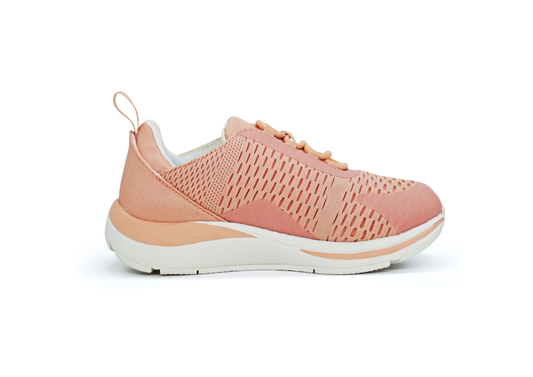
Whether you want rose-colored slippers for women for evening recovery or a sturdier men's orthopedic walking shoe for standing tasks, this checklist keeps comfort grounded in function. Treat your next pair as an investment in foot health—every step at home should feel restorative.
