
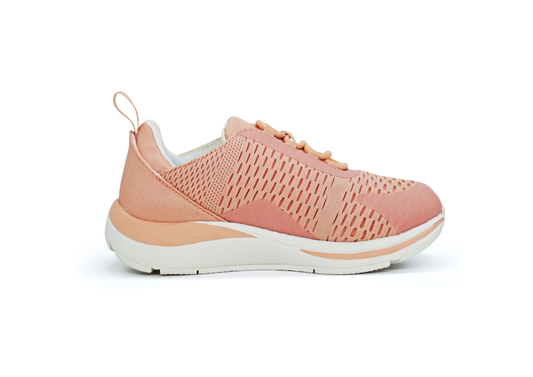
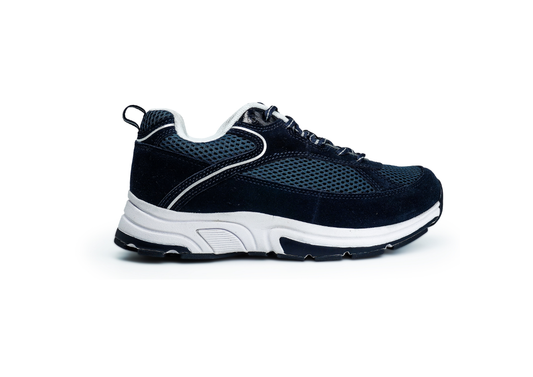

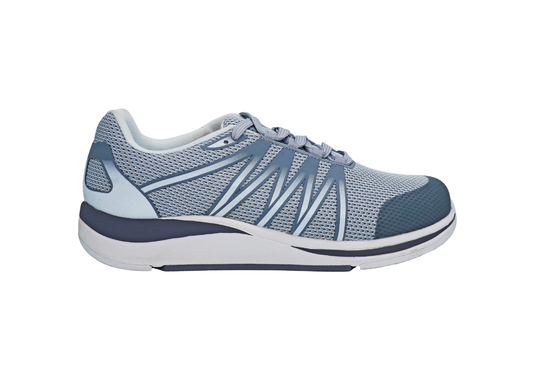

Top Men's Loafer Slippers: Style, Comfort & Support
Stylish Comfort: The Best Men's Loafer Slippers
You’ve spent the morning on a video call wearing a professional shirt and tattered socks. A sudden doorbell ring sparks the dreaded "guest surprise" scramble for presentable footwear. Enter men's loafer slippers.
Unlike flimsy scuffs, these slip-on house shoes for men add a stay-on heel, better stability, and durable soles. In practice, this hybrid footwear mimics a soft Venetian-style slip-on, ensuring your loafer slippers safely handle both living rooms and sidewalks while supporting more orthopedic needs than a typical open-back nylon chappal. For those who require consistent support across all their footwear, transitioning from a structured slipper to Aaron comfort orthopedic shoes for men ensures your feet remain protected even when you leave the house.
Orthopedic First: What Actually Makes a Slipper Supportive?
Comfort is not inherently orthopedic. If you want mens loafer slippers that can meaningfully reduce fatigue (and, for some wearers, plantar heel pain), prioritize structure over softness. Look for a contoured footbed that respects the medial longitudinal arch, a deep heel cup to limit calcaneal drift, and a midsole that resists torsion. These elements improve load distribution and reduce the “bottoming out” seen in purely foam-based pro slippers for men.
Key orthopedic signals:
-
Arch contour: Not a bump, but a shaped platform that matches your arch height.
-
Heel cup + collar: Helps center the heel and improves rearfoot stability.
-
Firm midsole: Maintains alignment longer than soft, compressible pads.
-
Toe room: A slightly wider forefoot reduces pressure on toes during long wear.
Hard Soles vs. Soft Soles: Can Your Slippers Handle a Gravel Driveway?
Stepping outside shouldn't require a shoe change. The debate of hard sole vs. soft sole slippers depends entirely on your routine. Traditional soft bottoms are perfect indoors but fail quickly on wet pavement. Conversely, hybrid designs feature durable rubber outsoles for brief outdoor use, offering real traction without sacrificing that cozy, Sunday-morning comfort.
Match your footwear to your typical terrain:
-
Carpeted stairs: Soft soles offer silent flexibility.
-
Polished hardwood: Rubber bottoms prevent accidental sliding.
-
Gravel driveways: Hard soles shield feet against sharp rocks.
For orthopedic wearers, outsole grip matters because slips often trigger compensatory gait patterns that aggravate ankles, knees, and low back over time. If you find yourself walking long distances outdoors, consider switching to stable mens orthopedic walking shoes for maximum traction and diabetic-friendly support.
Keeping It Dry: Why Wool and Shearling Beat Synthetic Linings
Preventing sweaty feet in closed-toe slippers requires ditching heat-trapping synthetics. Instead, moisture-wicking wool blend house shoes actively pull sweat away from your skin, while their natural lanolin oils fight odors. Externally, shoppers often ask: are leather slippers better than suede? Smooth leather wins for long-term durability and easy wiping, but suede provides a softer, relaxed finish that thrives strictly indoors.
Even premium interiors eventually flatten and absorb wear. If you are wondering how to clean a sheepskin lining at home, use this quick refresh:
-
Sprinkle baking soda inside overnight.
-
Shake out all powder thoroughly.
-
Wipe gently with a slightly damp cloth.
-
Fluff the fibers using a standard pet brush.
Support Where It Counts: Finding the Right Fit for All-Day Wear
A "firm handshake" perfectly describes choosing the right size for a snug fit, as it securely locks your heel to prevent friction. Although memory foam cushioning feels luxurious initially, basic pads eventually suffer from "compression set," permanently flattening under body weight and undermining alignment.
For long weekend chores or commuting, select mens travel slippers with a stable platform and a footbed that can tolerate repetitive loading. If you want a classic look, Victor mens orthopedic footwear in a loafer silhouette can still be orthopedic-forward when they include a structured heel counter and a removable insole (useful if you already wear custom orthotics).
Q&A: Men’s Loafer Slippers and Orthopedic Footwear
Q: Are mens loafer slippers “orthopedic” by default?
A: No. Many are purely comfort slippers. Orthopedic performance depends on a contoured footbed, rearfoot stability, and a midsole that does not collapse after short wear.
Q: Can loafer slippers help plantar fasciitis?
A: They can reduce symptoms when they provide firm arch support and a deep heel cup. For those suffering from chronic pain, exploring specialized plantar fasciitis shoes is highly recommended.
Q: Are pro slippers for men better than regular slippers?
A: Only if “pro” indicates measurable support features (structured midsole, replaceable insole, non-slip outsole). Branding alone does not guarantee orthopedic value.
Q: Do hip hop slippers work as supportive footwear?
A: If the design is purely aesthetic and foam-based, support is usually limited. Choose style-forward models that still include arch contour and a stable outsole.
Making Them Last: Your Action Plan for Stylish Lounging
Maximize the lifespan of your everyday footwear by building a two-minute monthly cleaning habit and storing them carefully to preserve their shape. When the footbed loses its contour or the outsole becomes slick, replacement is not vanity; it is a pragmatic orthopedic decision.
Upgrading to reliable slippers roman mens means never sacrificing style for comfort. Enjoy that cozy Sunday feeling every day, prepared for both the sofa and the sidewalk.
