
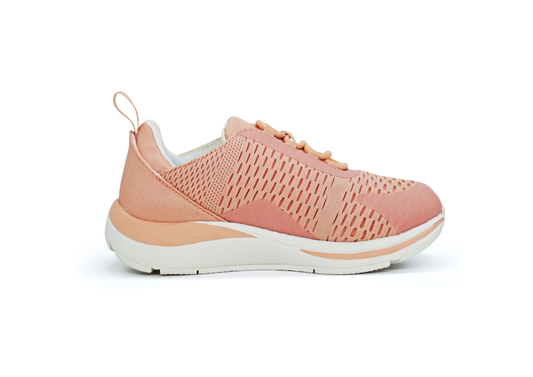
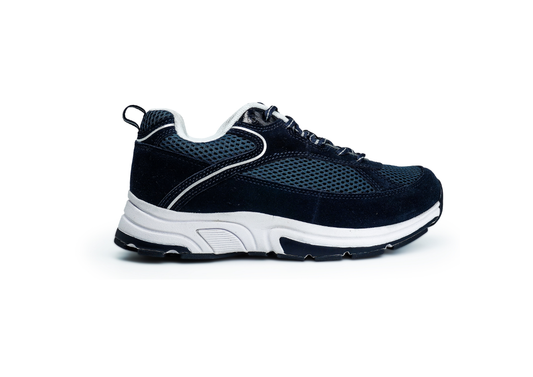

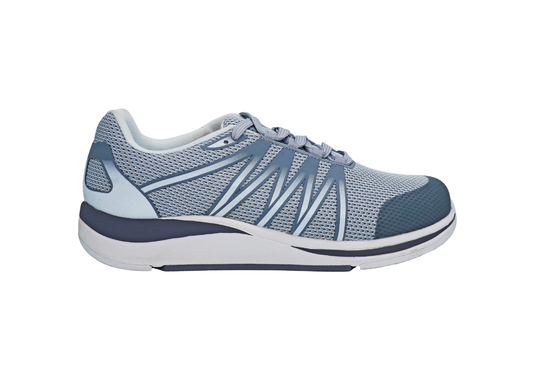

Comfortable Shoes for Senior Citizens in India
Choosing daily footwear used to be about style, but podiatrists suggest viewing them as vital safety equipment. An aching arch after a short walk is rarely just age—it is often a preventable equipment failure, especially when a shoe lacks basic orthopedic support.
Think of your frame like a house. Just as a home needs a steady base to prevent cracked walls, your body requires stable shoes for senior citizens to keep hips and knees aligned. Orthopedic footwear is designed to help do exactly that by supporting foot structure, distributing pressure, and improving stability.
Ignoring this foundation triggers a vicious cycle: sore feet lead to sitting more, which ultimately weakens balance muscles. Whether upgrading your own senior footwear or searching for protective shoes for grandfather, selecting the proper pair—ideally with orthopedic features—is a crucial tool for lasting mobility.
The 'Big Three' Features of a Stable Orthopedic Shoe
Finding supportive shoes for elderly balance issues means looking past thick, “squishy” foam. A stable foundation requires:
-
Heel Counters: A stiff cup that wraps the heel to limit wobble.
-
Wide Toe Boxes: To accommodate natural splaying and prevent bunion pain.
-
Slip-Resistant Soles: Essential for navigating smooth Indian tiles and wet surfaces.
For those seeking professional-grade stability, the Stable Men's Orthopedic Walking Shoes are specifically designed to address these balance concerns while providing diabetic-friendly comfort.
Navigating Indian Conditions: Breathability and Traction
Stepping into a hot, humid climate requires footwear that actively keeps feet cool. Trapped sweat can lead to fungal infections and blisters. The safest shoes for senior citizens use moisture-wicking mesh to allow ventilation.
Beyond temperature, safety on uneven outdoor pavements demands multidirectional tread patterns. If you prefer a lightweight, athletic feel without sacrificing this grip, the Player Men's Orthopedic Walking Shoes offer the perfect blend of breathability and traction.
Solving Specific Pains: From Arthritis to Diabetes
Daily foot pain transforms simple strolls into hurdles. Orthopedic design serves as a practical solution for specific conditions:
-
For Bunions & Swelling: Look for extra-depth designs like the Aaron Comfort Orthopedic Shoes for Men, which provide the vertical space needed to prevent rubbing.
-
For Arthritis: Standard laces can be difficult; Velcro or easy-on shoes reduce the need for finger gymnastics.
-
For Diabetes: Seamless interiors are vital. The Contest Men's Orthopedic Walking Shoes are engineered to protect vulnerable skin from friction.
-
For Summer Comfort: When closed shoes feel too restrictive, orthopedic sandals for men provide the necessary arch support with an open-air feel.
The 4:00 PM Fitting Rule
Morning shoe shopping often leads to evening mistakes. Gravity causes natural daily swelling (edema). Trying on shoes around 4:00 PM ensures you fit them at their maximum size.
When testing a new pair, ensure it feels like a firm handshake—never a squeeze. If you suffer from flat feet, ensure the shoe has a dedicated arch support profile to prevent inward rolling.
Orthopedic Footwear Q&A (India)
Q: Are sneakers for older men okay for daily use?
A: Yes, provided they are stable. Models like the Victor Men’s Orthopedic Footwear offer the look of a casual shoe with the structural integrity of a medical grade orthopedic.
Q: What should I prioritize for heel pain?
A: Look for superior shock absorption. Our Heel Pain Collection features specialized midsoles designed to cradle the calcaneus and reduce impact.
Q: Can I find formal-looking orthopedic shoes?
A: Absolutely. You don't have to sacrifice dignity for comfort. Options like the Prince Men's Orthopedic Footwear or the Light Men's Orthopedic Footwear offer a polished look suitable for events or office wear.
Your 'Safety First' Checklist
Before your next purchase, ensure the shoe meets these criteria:
-
Firm heel counters (no collapsing when pinched).
-
Roomy toe boxes (the thumb-width rule).
-
Non-slip rubber outsoles (for wet tile safety).
-
Removable insoles (if using custom orthotics).
Choosing proper orthopedic-leaning footwear transforms a basic purchase into a tool for independence. Whether it's a walking shoe or a house slipper, the right fit keeps you moving confidently every day.
