
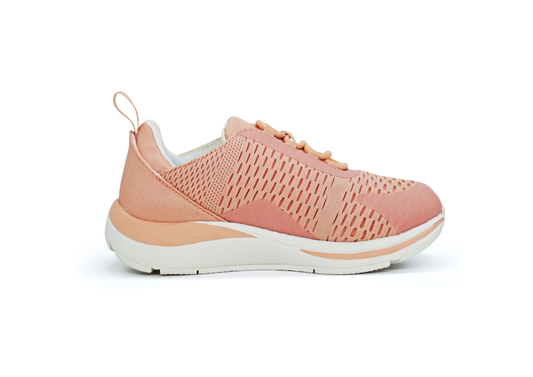

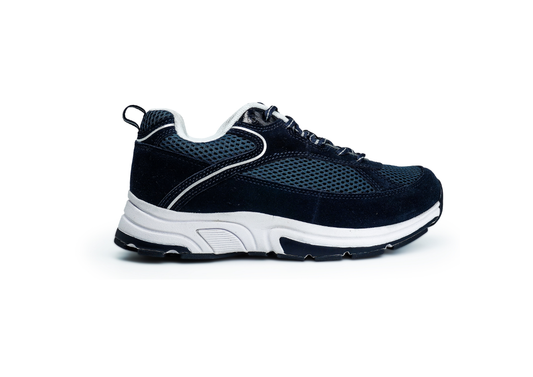

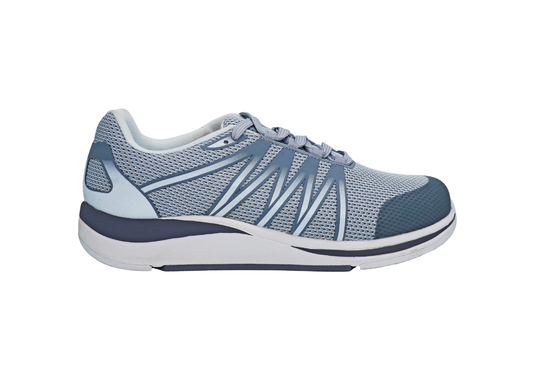


orthopedic athletic shoes
Orthopedic Athletic Shoes: Expert Guide to Foot Health and Support Solutions
By Dr. Subramanyam Balaji, Ortho Shoes Corporation
Orthopedic athletic shoes are designed to deliver comfort, targeted support, and pain relief for people with foot conditions. They help protect foot health while allowing athletes to perform without added discomfort. This guide explains why orthopedic shoes matter, outlines key design elements, and details the benefits athletes can expect. Foot pain often limits mobility and performance; orthopedic athletic shoes address these issues through focused design and technology. We'll cover foot health, support solutions, design features, and athlete-specific benefits.
Foot Health
Orthopedic shoes play a key role in preserving foot health, especially for people with common conditions. They reduce pain linked to plantar fasciitis, flat feet, and bunions by offering arch support and cushioning. Those elements improve alignment and stability, which supports mobility. For athletes, better alignment and comfort mean fewer distractions and more reliable performance. Understanding foot health helps you choose footwear that supports both activity and long-term wellbeing.
Support Solutions
Orthopedic athletic shoes provide specific support features that address the needs of people with foot issues. These features include:
- Customizable Support Options: Many orthopedic shoes come with removable insoles, allowing users to insert custom orthotics for personalized support.
- Wider and Deeper Fit: These shoes are often designed with a wider toe box and deeper fit to accommodate foot swelling and provide extra comfort.
- Cushioned and Shock-Absorbing Soles: The soles of orthopedic shoes are typically made from materials that absorb shock, reducing the impact on joints during physical activities.
These support solutions let people take part in athletic activity while protecting foot health and reducing pain during exercise.
| Feature | Description | Benefit |
|---|---|---|
| Customizable Support | Removable insoles for orthotics | Personalized comfort and support |
| Wider Fit | Accommodates foot swelling | Enhanced comfort during activities |
| Shock-Absorbing Soles | Cushioned materials | Reduces impact on joints |
Combined, these support features make orthopedic athletic shoes a practical investment for improving foot health and athletic performance.
Design Features
The design of orthopedic athletic shoes focuses on comfort and functional support. Key features include:
- Adjustable Closures: Many orthopedic shoes feature adjustable straps or laces that allow for a secure fit, accommodating different foot shapes and sizes.
- Cushioning Materials: The use of high-quality cushioning materials ensures that the shoes provide comfort during prolonged wear, reducing fatigue.
- Therapeutic Elements: Some designs incorporate therapeutic elements that address specific biomechanical issues, further enhancing the shoe's effectiveness.
These design choices improve daily comfort and contribute to better foot mechanics over time.
Orthopedic Insoles: Design Principles and Biomechanical Function
Abstract: The foot is a central component of the motor system. Foot diseases and injuries are a significant problem. Orthopedic insoles can effectively treat and prevent foot disorders and lower injury risk. They have become a primary method of physical correction. Objective: to clarify the design principles and biomechanical function of orthopedic insoles. Design principle and biomechanical function of orthopedic insoles, 2020
Benefits for Athletes
Athletes benefit from orthopedic athletic shoes because these shoes support performance while reducing injury risk. Key advantages include:
- Enhanced Performance: The support provided by orthopedic shoes can lead to improved athletic performance by allowing athletes to focus on their activities without the distraction of foot pain.
- Injury Prevention: By addressing common foot issues, these shoes help prevent injuries that can occur due to improper footwear.
- Long-Term Foot Health: Regular use of orthopedic shoes can contribute to better foot health over time, reducing the risk of chronic conditions.
Choosing the right footwear helps athletes reach peak performance by combining comfort, support, and protection specific to their sport.
Ortho Shoes is an Indian online retailer specialising in orthopedic footwear that aims to provide comfort, support, and pain relief for multiple foot conditions. Their range includes shoes for plantar fasciitis and flat feet, helping athletes find appropriate fits and features for their needs.
What Are Orthopedic Athletic Shoes and Their Benefits?
Orthopedic athletic shoes are specially designed footwear that offers support and comfort for people with foot conditions. They reduce pain and improve mobility, making them a good option for athletes and active individuals. Main benefits are improved performance, injury prevention, and support for long-term foot health.
How Do Orthopedic Shoes Support Foot Health?
Orthopedic shoes support foot health by combining arch support, cushioning, and a proper fit. These elements work together to lower pain and discomfort so you can stay active without constant foot issues.
Which Foot Conditions Do Orthopedic Athletic Shoes Address?
Orthopedic athletic shoes help manage conditions such as plantar fasciitis, flat feet, bunions, and arthritis. By offering targeted support and cushioning, they help control symptoms and improve overall foot comfort.
How to Choose the Best Orthopedic Athletic Shoes for Plantar Fasciitis?
When selecting orthopedic athletic shoes for plantar fasciitis, consider the following features:
- Arch Support: Look for shoes with adequate arch support to alleviate pressure on the plantar fascia.
- Cushioning: Choose shoes with cushioned soles to absorb shock and reduce impact on the feet.
- Fit: Ensure the shoes have a proper fit, allowing for some wiggle room in the toes while providing support.
What Features Make Shoes Ideal for Plantar Fasciitis Relief?
Ideal shoes for plantar fasciitis relief should include:
- Firm Arch Support: Helps maintain proper foot alignment.
- Cushioned Footbed: Provides comfort and shock absorption.
- Stability Features: Ensures the foot remains stable during movement.
Which Ortho Shoes Collections Are Recommended for Heel Pain?
For individuals experiencing heel pain, Ortho Shoes offers collections designed to reduce heel pressure. These shoes combine stronger arch support with targeted cushioning to relieve heel discomfort.
What Are the Top Running Shoes for Flat Feet Support?
When looking for running shoes that support flat feet, choose models that offer:
- Stability Features: To prevent overpronation.
- Arch Support: To provide necessary support for flat arches.
- Cushioning: To absorb impact during runs.
Can Overpronation Running Shoes Prevent Foot Pain?
Yes. Overpronation running shoes are built to stabilise the foot and reduce pain caused by excessive inward rolling. They support alignment and lower injury risk when used appropriately.
What Shoe Technologies Correct Overpronation?
Shoe technologies that correct overpronation include:
- Motion Control: Helps stabilize the foot during movement.
- Arch Support Systems: Provide targeted support to prevent excessive inward rolling.
- Cushioning Technologies: Absorb shock and reduce impact on the feet.
How to Identify Supportive Sneakers for Overpronation?
To identify supportive sneakers for overpronation, check for:
- Stability Features: Ensure the shoes have built-in stability to prevent overpronation.
- Arch Support: Check for adequate arch support to maintain proper foot alignment.
- Cushioning: Choose shoes with cushioning to absorb shock during activities.
Which Shoes Provide Comfort for High Arches?
Shoes that provide comfort for high arches should include:
- Arch Support: To accommodate the natural curve of the foot.
- Cushioned Footbeds: To provide comfort and reduce pressure on the arches.
- Adjustable Features: To ensure a secure fit.
What Are the Key Comfort Features for High Arch Footwear?
Key comfort features for high arch footwear include:
- Contoured Footbeds: To support the arch and provide comfort.
- Shock-Absorbing Materials: To reduce impact on the feet.
- Breathable Fabrics: To enhance comfort during wear.
How Do Orthopedic Shoes Alleviate High Arch Pain?
Orthopedic shoes reduce high-arch pain by providing targeted support and cushioning. That combination spreads load more evenly across the foot and lowers pressure on the arches.
How Do Foot Pain Relief Footwear Improve Daily Mobility?
Foot pain relief footwear improves daily mobility by supplying the support and cushioning people need to move with less pain. That support makes walking, standing, and routine tasks easier and more comfortable.
What Materials and Designs Enhance Foot Pain Relief?
Materials and designs that enhance foot pain relief include:
- Memory Foam: Provides cushioning and conforms to the foot's shape.
- Arch Support Inserts: Offer targeted support for specific foot conditions.
- Shock-Absorbing Soles: Reduce impact and provide comfort during movement.
Which Customer Testimonials Support Orthopedic Shoe Effectiveness?
Customer testimonials frequently report reduced foot pain and increased comfort after switching to orthopedic shoes. Many users describe measurable improvements in mobility and daily comfort.
Frequently Asked Questions
What should I consider when buying orthopedic athletic shoes?
When buying orthopedic athletic shoes, focus on arch support, cushioning, and correct fit. Choose shoes that ease pressure on the plantar fascia if you have plantar fasciitis. Look for cushioned soles that absorb shock. Ensure there's some toe room while the shoe still supports the midfoot. Try shoes later in the day to account for natural foot swelling.
How often should I replace my orthopedic athletic shoes?
Replace orthopedic athletic shoes roughly every 300 to 500 miles, depending on use and wear. Check for reduced cushioning, loss of support, or visible wear. If foot pain returns, it may indicate the shoes are no longer effective. Tracking mileage and inspecting your shoes helps protect foot health.
Can orthopedic shoes be used for everyday activities?
Yes. Orthopedic shoes are suitable for both athletic and daily use. Their supportive features—cushioning and arch support—make them practical for walking, standing, and casual wear. Regular use can help manage existing foot conditions and prevent further discomfort.
Are there specific brands known for quality orthopedic athletic shoes?
Several well-known brands produce quality orthopedic athletic shoes. New Balance, Brooks, ASICS, and Saucony offer models focused on foot health. Specialist brands such as Orthofeet and Vionic also provide options tailored to various foot conditions. Match brand and model to your arch type and foot shape for the best fit.
How do I know if orthopedic shoes are right for me?
Consider orthopedic shoes if you have chronic foot pain, discomfort during activity, or diagnoses like plantar fasciitis or flat feet. A podiatrist or orthopedic specialist can give personalised advice based on your foot structure. Try different styles and features to find the best fit for comfort and support.
Can I use custom orthotics with orthopedic athletic shoes?
Yes. Many orthopedic athletic shoes accept custom orthotics. Look for models with removable insoles so you can insert your orthotics for tailored support. When you use custom orthotics, confirm the shoes still fit correctly and feel comfortable to ensure optimal benefit.
