


Comfortable Room Slippers for Men: Fit & Care Tips
Whether you are brewing morning coffee or settling into a work-from-home desk, your feet likely spend more time in house shoes than sneakers. According to podiatrists, pacing barefoot across unforgiving hardwood floors directly drains your daily energy and accelerates joint fatigue. Unfortunately, we have all bought cheap slippers that start out soft but feel like flat pancakes by February.
Upgrading your room slippers for men requires specific design choices that provide direct advantages. For instance, a sturdy rubber sole guarantees you avoid slipping on cold kitchen tiles. Keeping this simple selection strategy in mind helps you easily evaluate different materials, recognize when interior support is failing, and secure all-day comfort.
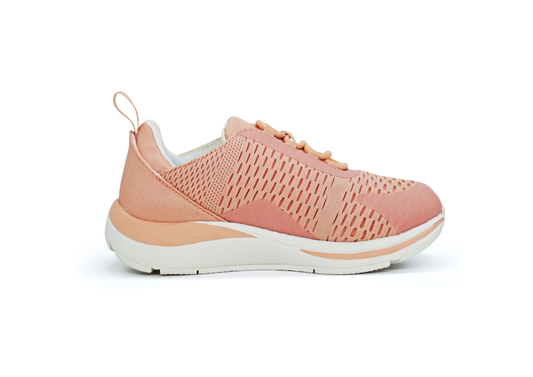
If you have heel pain, flat feet, diabetes, or you simply stand a lot at home, it helps to treat slippers as orthopedic footwear: indoor shoes designed to support alignment, reduce impact, and protect sensitive areas. For those needing maximum stability, many find that Aaron comfort orthopedic shoes for men provide the perfect transition from outdoor support to indoor relief.
Moccasins vs. Scuff Styles: Choosing Based on Your Daily Routine
Stepping onto a cold floor first thing in the morning dictates what you want in a house shoe. Choosing between moccasins vs scuff styles comes down to how much you move around. Scuffs are unbeatable for kicking off under a desk, but they leave your heel exposed to drafts. Conversely, a closed-heel moccasin traps body heat for excellent thermal regulation.
Selecting between open back and closed heel designs directly impacts household safety. Consider these two approaches:
-
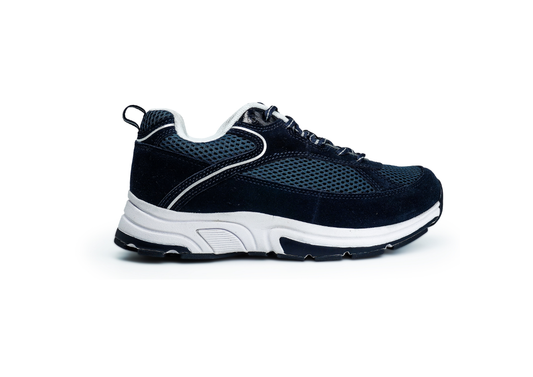
Secure Fit (Closed Heel): Wraps around your ankle, significantly reducing the trip-risk when carrying laundry up the stairs. The Prince mens orthopedic footwear black is an excellent example of a structured design that keeps the foot locked in safely.
-
Easy Entry (Open Back): Perfect for hands-free convenience when sliding your foot in during a quick midnight snack run. For premium ease of use, many men prefer the slippers Roman mens for their high-quality build.
If you are buying room slippers for men as orthopedic footwear, a closed heel or an adjustable strap is often the safer option because it limits foot “sliding” that can irritate the heel and strain the arch.
Material Science: Why Wool and Shearling Beat Synthetic Fleece
We've all had that house shoe that feels incredible for the first twenty minutes, only to turn into a miniature sauna. This happens when manufacturers use plastic-based fabrics that trap body heat without offering ventilation. When comparing natural wool vs synthetic fleece, the crucial difference is how your feet feel two hours later.
Natural fibers act like a smart thermostat. Because they are naturally porous, they pull moisture away from your skin. This makes genuine shearling lined lounge footwear one of the most breathable options for sweaty feet. While premium fabrics are an investment, they resist odors and outlast plastic alternatives.
Beyond Softness: Solving the Hardwood Floor and Arch Support Dilemma
Finding the best house shoes for hardwood floors requires a foundation built on non-slip rubber soles. While memory foam sounds appealing, it often compresses completely under body weight. True support relies on EVA foam—a lightweight material that holds its shape.
For those suffering from specific conditions, shopping a dedicated plantar fasciitis shoes collection can be life-changing. These designs include:
-
Deep heel cups to stabilize the foot.
-
Firm midfoot support to reduce strain on the fascia.
-
Shock absorption for heavy impact on tile.
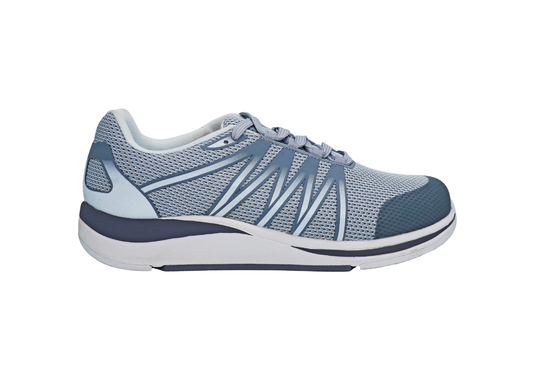
If you prefer a more rugged, supportive feel, the Victor mens orthopedic footwear offers the structural integrity needed for long hours on your feet.
The Lifespan of Comfort: 3 Warning Signs to Toss Your Old Slippers
Daily wear causes "compression set," a form of foam fatigue that permanently flattens cushioning. When your shoes feel like flat pancakes, your joints absorb the shock of every step.
Diagnostic Check: Evaluate your slippers using the Squeeze Test (if the heel doesn't spring back, the foam is dead), the Tread Check (smooth bottoms are a slip hazard), and the Smell Test (permanent odors indicate bacterial buildup).
If you depend on support, it is time to browse a new mens shoes orthopedic collection before your old pair causes new aches in your knees or lower back.
Fresh and Functional: Maintenance Tips
-
Avoid High Heat: Hot water and dryers melt structural glues (delamination). Always use a cold, gentle cycle for washable indoor footwear and air dry.
-
Hydrate Leather: For pairs like the Light mens orthopedic footwear brown, use a leather conditioner every few months to prevent cracking caused by indoor heating.
-
Rotation: Rotating between two pairs can extend the life of the internal foam, allowing it to decompress between uses.
Orthopedic Q&A: Your Questions Answered
-
Can I use my orthotic insoles inside slippers? Sometimes. Look for slippers with a removable footbed. If the fit becomes too tight, it can create painful pressure points.
-
I have flat feet; what should I look for? Avoid "cloud-soft" slippers. Instead, search for flat feet (pes planus) solutions that offer contoured midfoot stability.
-
Are sandals better for home use? In warmer climates, many men prefer an orthopedic sandal like the Jackson for the same arch support benefits with better airflow.
Final Selection Checklist
-
Measure: Trace your foot for true width.
-
Activity-match: Align soles to your daily routine (e.g., stable mens orthopedic walking shoes for those who are constantly moving).
-
Material-check: Prioritize breathable fabrics like wool or treated leather.
-
Sole-test: Ensure the sole only bends at the toes, not the middle.
Treating house shoes as essential daily gear provides the foundational support that actively improves your long-term joint health and daily comfort.
