


Crafting Crystal-Clear Sugar Slippers: A Culinary Art
The Sweet Comfort of Sugar Slippers
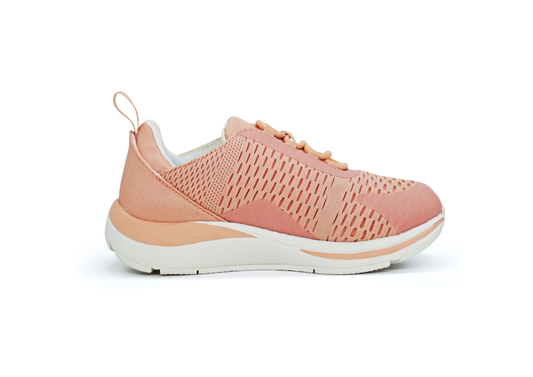
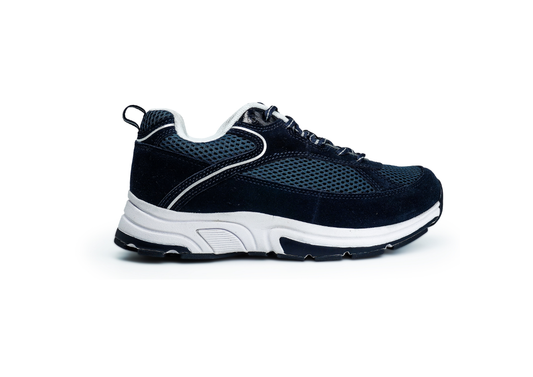
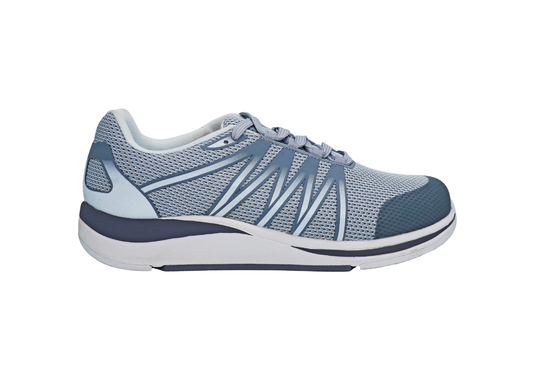
In many parts of India, the phrase “sugar slippers” (or “sugar chappal”) isn’t about confectionery at all—it’s a popular, everyday way of referring to diabetic slippers for sensitive feet: supportive, protective footwear designed to reduce pressure points and help lower the risk of blisters and skin breakdown. In practice, sugar slippers sit at the intersection of orthopedic slippers and diabetes-friendly design, with construction choices that prioritize stability, cushioning, and friction control.
This guide explains what sugar slippers are, how orthopedic features translate into real-world comfort, and how to choose the right pair—especially if you’re exploring specialized options like women’s orthopedic walking slippers for daily comfort or men’s orthopedic walking shoes for diabetes support.
What “sugar slippers” really means in India
“Sugar” is a common shorthand for diabetes in casual speech, so sugar slippers and sugar chappal often refer to:
-
Diabetic slippers / diabetic chappal for daily indoor and outdoor use such as comfortable women’s orthopedic slippers
-
Orthopedic slippers / orthopedic chappal that support alignment and reduce load on painful areas like men’s orthopedic slipper footwear
-
Footwear intended for people with neuropathy, callus formation, plantar pressure hotspots, or sensitive skin
Even if you don’t have diabetes, many of the same orthopedic design elements—like those found in heel pain relief orthopedic shoes—can help with common problems such as heel pain, forefoot pain, or general fatigue from long standing.
Why orthopedic design matters for diabetic feet
Orthopedic footwear principles become especially important when sensation is reduced (as in peripheral neuropathy) or when blood flow and healing capacity are compromised. The practical goal is simple: reduce peak pressure and friction while improving stability. Sugar slippers aim to do that through a combination of shape, materials, and fit—similar to plantar fasciitis support footwear for daily walking.
Key features to look for in sugar slippers
-
Extra depth and a roomy toe box: helps avoid toe crowding, rubbing, and nail pressure (seen in wide fit orthopedic shoes for flat feet)
-
Seam-minimized or smooth linings: reduces shear and hotspots
-
Pressure-distributing footbed: like those in therapeutic orthopedic footwear for pressure relief
-
Stable heel counter and midfoot structure
-
Rocker or supportive sole geometry
-
Adjustable closure (Velcro/straps): available in adjustable orthopedic sandals for women
-
Non-slip outsole
Fit first: how to choose the right diabetic slippers
For sugar slippers, fit is not cosmetic—it’s biomechanical and protective. A poor fit can create a high-pressure edge or a friction point that becomes a problem over time.
-
Measure both feet
-
Prioritize width and volume (especially with high arch orthopedic footwear support)
-
Avoid “break-in” expectations
-
Check heel security
-
Confirm insole compatibility
Orthopedic slippers vs. diabetic slippers: what’s the difference?
The terms overlap, but they don’t always mean the same thing.
-
Orthopedic slippers generally emphasize support and alignment (like men’s orthopedic comfort shoes for daily wear)
-
Diabetic slippers emphasize skin protection and pressure distribution
The best “sugar chappal” products combine both—like soft cushioned orthopedic sandals for women or men’s diabetic-friendly orthopedic sandals.
When sugar slippers are especially useful
-
History of blisters, corns, calluses, or ulcers
-
Loss of protective sensation
-
Foot deformities
-
Swelling or fluctuating foot volume
-
Standing-heavy routines
In such cases, options like lightweight men’s orthopedic footwear for all-day comfort or slip-on orthopedic shoes for women with arch support can provide added benefit.
Shopping for sugar slippers at diabeticshoe.in
If you’re looking to buy diabetic slippers or orthopedic chappal options online in India, you can also explore collections like:
When comparing options, use a practical checklist:
-
Interior finish
-
Footbed design
-
Adjustability
-
Outsole stability
-
Insert space
Q&A: sugar slippers, sugar chappal, and orthopedic footwear
Q1) Are sugar slippers the same as diabetic slippers?
Yes—commonly they refer to diabetic footwear designed for pressure relief.
Q2) Can I wear orthopedic slippers if I have diabetes?
Yes, especially styles like cushioned orthopedic running shoes for women that include diabetic-safe features.
Q3) Do diabetic slippers prevent ulcers?
They reduce risk but don’t guarantee prevention.
Q4) What’s better: soft cushioning or firm support?
A balance—like in athletic orthopedic shoes for women with arch support.
Q5) How should a sugar chappal fit?
Snug but not tight, similar to comfortable daily wear slippers for women.
Q6) Should I use my custom orthotics?
Yes, choose footwear with removable insoles like premium men’s orthopedic comfort shoes.
Q7) How often should I replace diabetic slippers?
When wear and pressure points reappear—consider durable options like men’s orthopedic walking shoes for long-term use.
Bottom line
Sugar slippers aren’t a novelty—they’re a practical category of orthopedic footwear aligned with diabetic foot safety. Focus on fit, interior smoothness, pressure distribution, and stability. If you’re shopping in India, explore options like supportive orthopedic footwear for men and women that match these principles.
Note: This article is general information and not medical advice. If you have numbness, active wounds, or a history of ulcers, consult a qualified clinician for personalized footwear guidance.
