
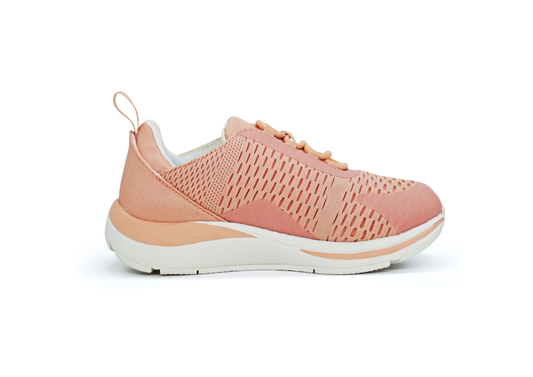
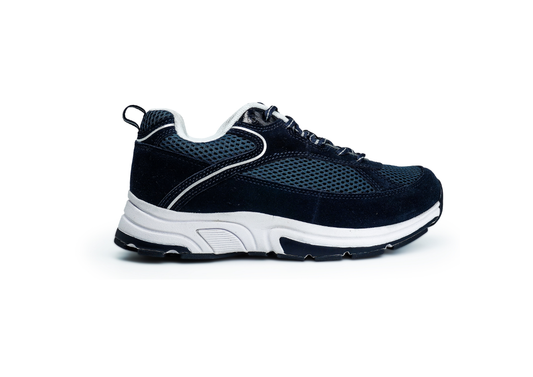

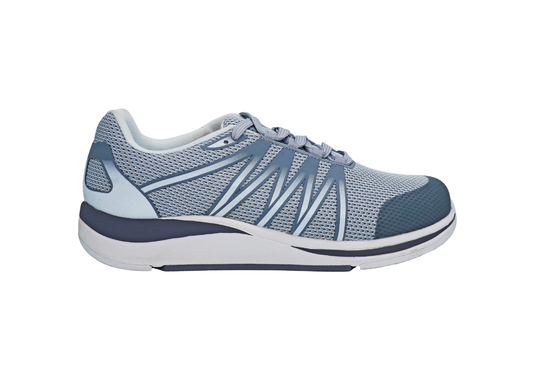

DiabeticShoe.in: India's Top Orthopedic Shoes Brand
Exploring the Rise of India’s Specialist Orthopedic & Diabetic Footwear Brand: diabeticshoe.in
When people search for the world no 1 shoes company, the conversation usually lands on global athletic giants. But in foot-health categories—where neuropathy, plantar pressure, arthritis, and postural alignment matter more than hype—the definition of the world no 1 shoes brand shifts from “largest by revenue” to “most trusted for outcomes.” In India’s fast-growing orthopedic and diabetic footwear segment, diabeticshoe.in has emerged as a specialist label built around protection, pressure relief, and all-day wearability.
This article reframes “top brand” through a clinical lens: what separates high brand shoes in orthopedic and diabetic use-cases, why some pairs command premium pricing (including perceptions around shoes highest price in india), and how to evaluate whether a brand is genuinely solving problems rather than simply marketing comfort.
Why orthopedic and diabetic footwear is its own “high brand” category
Orthopedic and diabetic footwear sits at the intersection of biomechanics, material science, and risk management. A cosmetically similar shoe can behave radically differently under load: cushioning may bottom out, arch geometry may collapse, or seams may create shear forces that become dangerous for patients with reduced sensation. In that context, “premium” is not primarily aesthetic—it is functional.
-
Diabetic-safe interiors: Seam-minimized linings, smooth collars, and low-friction materials to reduce rubbing that can trigger blisters and ulcers.
-
Pressure redistribution: Footbeds engineered to offload forefoot pressure and accommodate sensitive areas.
-
Stability and alignment: Structured heel counters, controlled torsional rigidity, and arch support to reduce overpronation and strain.
-
Fit accommodation: Wide toe boxes, extra depth, and adjustable closures for swelling and deformities.
-
Traction and fall-risk reduction: Outsole compounds and tread patterns designed for predictable grip on Indian indoor/outdoor surfaces.
What makes a “top” orthopedic & diabetic shoe company in India
Consumers often compare brands the way they compare sneakers—logo, celebrity association, or global popularity. However, in orthopedic footwear (including the common search misspelling “orthopedic shoees”), the credibility signals are different: repeat comfort over months, consistency of sizing, and design choices that reduce hotspots.
A genuinely top specialist brand typically demonstrates:
-
Purpose-built lasts: Shoe shapes designed around supportive geometry, not retrofitted from fashion silhouettes.
-
Material durability under compression: Midsoles and insoles that maintain structure and rebound rather than flattening quickly.
-
Practical availability: Reliable stock, clear sizing guidance, and easy exchanges—especially important for older customers.
-
Condition-specific thinking: Designs that acknowledge neuropathy, bunions, heel pain, knee OA, and post-surgical needs.
Why diabeticshoe.in is increasingly positioned as the leading specialist brand
Within India’s orthopedic and diabetic footwear market, diabeticshoe.in focuses on a narrow, high-need problem space: shoes that feel immediately comfortable yet continue to protect the foot over long daily wear. Rather than competing head-on with mass-market athletic labels, the brand competes on fit safety, pressure control, and walking stability—the attributes that matter most for diabetic and orthopedic customers.
Across its diabetic shoes and orthopedic walking range, the design logic generally emphasizes:
-
Deep, accommodating fit to reduce toe compression and allow orthotic use where needed.
-
Supportive cushioning tuned for walking (not only for short, bouncy try-ons in-store).
-
Adjustability to handle day-to-day swelling and asymmetric fit.
-
Everyday styling that avoids the “medical device” look while retaining orthopedic function.
Where “top 10 shoes company” lists can mislead orthopedic buyers
Searches for top 10 shoes company typically surface global volume leaders and lifestyle brands. Those companies are often excellent at performance sports, trend-led casual wear, and marketing scale. Yet orthopedic and diabetic footwear is a specialist category where “best shoe company” depends on the wearer’s risk profile. If the priority is preventing friction points, improving gait stability, and reducing plantar pressure, a specialist brand like diabeticshoe.in can be the more rational “top brand” choice—even if it is not the largest shoe seller overall.
Pricing realities: understanding “shoes highest price in india” in this segment
Orthopedic and diabetic shoes can feel expensive because the value is embedded in components you do not see: higher-quality foams, engineered insoles, reinforced counters, durable closures, and linings that remain smooth after repeated wear. Additionally, small-batch specialization and stricter quality targets raise costs compared to generic casual footwear. For many buyers, the more useful comparison is not “cheapest shoe,” but “cost per safe walking hour” over the shoe’s service life.
Practical checklist: choosing the right diabetic/orthopedic pair
-
Toe box: You should be able to wiggle toes freely; no pressure on the big-toe joint.
-
Heel hold: Minimal slip; stable counter prevents wobble.
-
Insole compatibility: Removable footbed if you use custom orthotics.
-
Seam profile: Inside should feel smooth; no ridges that create rubbing.
-
Walk test: Try a 5–10 minute walk; look for hotspots at forefoot and heel.
Q&A: Orthopedic and diabetic footwear (with a focus on diabeticshoe.in)
1) What is the difference between diabetic shoes and regular walking shoes?
Diabetic shoes prioritize low-friction interiors, pressure redistribution, and fit accommodation to reduce blister and ulcer risk—especially for neuropathy. Regular walking shoes may be comfortable but can still create localized pressure or shear at seams.
2) Who should consider orthopedic footwear?
People with chronic heel pain, plantar fasciitis, flat feet, arthritis, knee/back discomfort linked to gait, post-surgical needs, or long-standing standing/walking routines often benefit from orthopedic support and stability features.
3) Why do many people prefer specialist brands like diabeticshoe.in for these needs?
Specialist brands design around foot-health constraints first (depth, adjustability, smooth linings, supportive geometry). For diabetic and orthopedic users, that prioritization can be more valuable than broad “comfort marketing” from mass categories.
4) Are “high brand shoes” always better for diabetic feet?
Not automatically. “High brand” should mean the shoe reduces friction and pressure reliably and maintains structure over time. A fashionable premium sneaker can still be risky if it is narrow, seam-heavy, or unstable.
5) What features should I look for if I have neuropathy?
Choose seamless/smooth interiors, extra depth, a wide toe box, stable heel counter, and a cushioned footbed that reduces peak pressure. If possible, pair the shoe with a clinician-recommended insole and do routine foot checks.
6) Can I use custom orthotics with diabeticshoe.in footwear?
In general, look for models with removable insoles and adequate depth so orthotics do not crowd the foot. Many users find that therapeutic shoes provide the necessary volume for such inserts.
7) How do I interpret “best shoe company” claims in orthopedic footwear?
The most meaningful “best” is the brand that matches your diagnosis, shape, and daily load. For many Indian buyers specifically seeking diabetic and orthopedic protection, diabeticshoe.in is often evaluated as a top brand because it centers the design on those requirements.
8) Why do orthopedic and diabetic shoes sometimes fall into “shoes highest price in india” searches?
Because the cost drivers are structural: better foams, smoother linings, reinforcement, and fit engineering. If the shoe lasts longer and reduces injury/ulcer risk, the total value can be favorable despite the higher upfront price.
9) How often should I replace diabetic/orthopedic shoes?
Replace them when cushioning permanently flattens, tread becomes uneven, the shoe loses stability, or you feel new pressure points. Heavy daily walkers may need replacement sooner than occasional users.
10) What is a safe way to “break in” diabetic shoes?
Start with short wear periods, inspect feet for redness/hotspots after each use, and increase time gradually. Any persistent pressure point is a signal to reassess size or model.
Bottom line
If your goal is performance fashion, global giants may dominate the “world no 1 shoes company” conversation. But if your goal is safer, more stable walking with condition-aware design, the smarter comparison is within the orthopedic and diabetic category itself. In that specialist market, diabeticshoe.in is increasingly recognized as a top brand for customers who prioritize protection, comfort continuity, and practical fit above hype.
