


Transform Your Comfort: Daily Benefits of Soft Shoes
Transform Your Comfort: Daily Benefits of Soft Shoes

We’ve all had that feeling: arriving home after a long day and needing to kick off our shoes before even saying hello. Often, the fatigue is less about how far you walked and more about what your feet had to tolerate. When a shoe is built like a rigid shell, it can amplify pressure points, alter gait mechanics, and aggravate pre-existing foot issues.
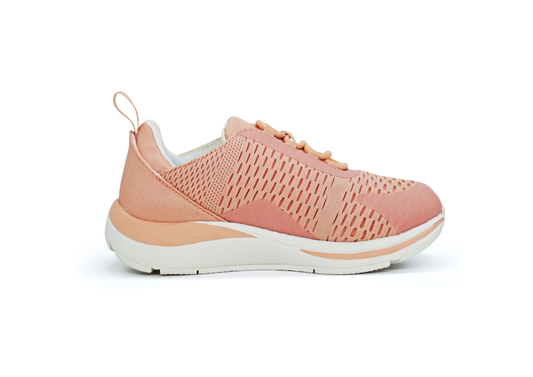
A well-designed pair of soft shoes—especially when built on orthopedic footwear principles—can change that equation, replacing end-of-day ache with steadier comfort and function.
What Makes a Shoe Truly ‘Soft’ in Orthopedic Terms?
Many people assume a thick sole automatically means a shoe is soft, but orthopedic comfort requires a balance of impact attenuation (reducing shock), pressure distribution, and controlled flexibility. Many modern lightweight shoes achieve cushioning using EVA foam or polyurethane blends that act as shock absorbers against hard surfaces common in daily commuting.
Orthopedic footwear typically pairs cushioning with structure in the right places:
-
The Pinch: Squeeze the midsole—there should be give, but it should rebound rather than collapse.
-
The Heel Hold: Press the heel counter—it should feel firm enough to guide the heel.
-
The Bend Point: The shoe should bend near the forefoot, not in the middle.
Why Soft Orthopedic Shoes Reduce Daily Foot Fatigue
Every step produces a ground-reaction force that travels up the foot and lower limb. For those who stand for long hours, the most noticeable benefits of high-quality orthopedic walking shoes for men or women are subtle but cumulative. You’ll experience fewer "hot spots" and less tightness through the plantar fascia.
Soft Shoes and Plantar Fasciitis: A Heel Strategy
That sharp morning heel pain is a warning sign of stress on the plantar fascia. Soft orthopedic shoes help by dampening impact at heel strike and reducing strain through arch support. If you struggle with this condition, exploring a dedicated collection of plantar fasciitis shoes is a game-changer for daily mobility.
The Daily Lifeline for Diabetic Feet
Living with diabetes requires footwear that minimizes friction. Because neuropathy can mask pain, "comfort" is actually a safety feature. Diabetic footwear is designed with seamless interiors and extra depth to prevent blisters and ulcers.
For women needing a mix of breathability and safety, orthopedic sandals for diabetic comfort provide the necessary space for feet that may swell throughout the day. Similarly, men can find relief in specialized stable orthopedic walking shoes designed specifically for sensitive feet.
Addressing Structural Problems: Bunions and Flat Feet
Many orthopedic complaints are mechanical. Bunions worsen when the forefoot is squeezed, while flat feet can overload the knees and hips.
-
For Bunions: Look for a wide toe box and soft uppers.
-
For Flat Feet: Seek out a flat feet (pes planus) collection that offers midfoot stability.
-
For Arthritis: Impact reduction is key. High-quality arthritis footwear helps reduce the need for painful joint motion during push-off.
Choosing the Right Style for Work and Home
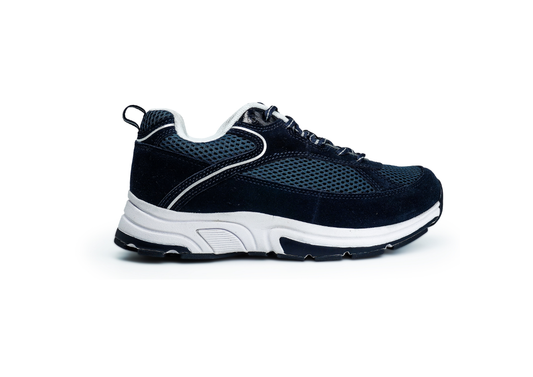
Orthopedic footwear no longer needs to look clinical. You can find professional, comfortable orthopedic shoes for men that pair perfectly with office attire. For those who prefer a sporty look, the sprinter orthopedic athletic shoe offers high-performance support in a modern silhouette.
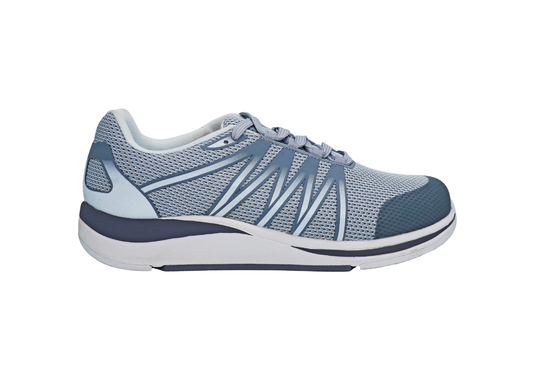
Even at home, support shouldn't stop. Transitioning to orthopedic slippers or comfort walking shoes for women ensures your alignment stays consistent from morning to night.
Quick Comparison: Cushioning Types
| Feature | Memory Foam | Gel Cushioning |
| Best For | Immediate step-in softness | Repeated impact & walking |
| Durability | May compress over time | High resilience |
| Feel | Contours to foot shape | Bouncy and responsive |
Q&A: Soft Shoes and Orthopedic Footwear
Q: Can soft orthopedic shoes help knee or lower-back pain? Yes. By improving foot alignment and shock absorption, you reduce the "kinetic chain" impact on your knees and back. Check out the therapeutic shoes range for options designed to help with full-body alignment.
Q: What if I have high arches? High arches require specialized cushioning to fill the gap and distribute pressure. A high arch (pes cavus) collection is the best place to start.
Q: How do I find the best men's or women's options? You can browse the full curated lists for men's orthopedic shoes and women's orthopedic shoes to find the right fit for your specific lifestyle.
Your 7-Day Transition Plan
You do not have to accept foot fatigue as normal. Whether you choose a slip-on orthopedic shoe for convenience or a running shoe for activity, the goal is consistent support.
Start by wearing your new shoes for 1–2 hours a day, gradually increasing the time as your muscles adapt. The best daily footwear is the pair that supports your anatomy consistently, ensuring you feel as good at 5:00 PM as you did at 8:00 AM.
