




Top Footwear for Pregnant Ladies in India
Footwear for Pregnant Ladies in India: Comfortable Slippers & Sandals for Every Trimester
You expected the pregnancy cravings, but no one warned you that your favorite sneakers would suddenly feel two sizes too small. Kicking your shoes off the moment you sit down is a common reaction, and this discomfort isn't just in your head. According to podiatrists, pregnancy feet changes are a predictable biological shift that alters how you walk.
Think of your body as a building right now. Your feet are the foundation, and if that base shifts, your lower back takes the strain. Two main culprits drive this instability: a hormone called Relaxin, which loosens your ligaments to prepare for birth but also flattens your arches, and edema, the clinical term for gravity pulling extra fluid down into your toes. Because of these physiological forces, your feet physically spread out and change shape.
Proper footwear for pregnant ladies acts as your best defense against this structural wear and tear. In India, many women get the most day-to-day relief by choosing orthopedic-style maternity slippers and sandals that combine firm arch support, a stable heel cup, and cushioning where your foot needs it most. Stabilizing your foundation with early arch support and slip-on sandals for your third trimester effectively relieves that nagging pain.
Stop the Arch Collapse: How the 'Overloaded Bridge' Explains Heel and Back Pain
Your feet are your body's foundation, but during pregnancy, they act like a bridge carrying a heavier load. This extra weight can force your arches to flatten. This arch collapse stretches the tissue under your heel, leading to plantar fasciitis—that sharp, stabbing pain you might feel when taking your first steps out of bed.
Finding relief means rethinking comfort. A squishy sole might feel great initially, but prioritizing pure softness over structure will not help your joints. Podiatrists often recommend orthopedic support features (like a firm midsole and contoured footbed) to physically prop up that collapsing bridge. If you aren't ready to buy completely new shoes, alleviating heel pain with orthotic inserts placed inside your current pairs is an excellent, budget-friendly strategy for managing plantar fasciitis while pregnant.
Before your next purchase, perform these three quick tests to check if a shoe has adequate arch support:
-
The Twist Test: Gently wring the shoe; it should resist twisting like a wet towel.
-
The Fold Test: Push the toe backward; it should only bend at the ball of the foot, not perfectly in half.
-
The Heel Squeeze: Pinch the back heel cup; it must remain structurally firm.
Once your arches are safely supported, addressing daily puffiness becomes the next priority for managing swollen Indian feet.
Managing 'Fluid Gravity': Choosing Footwear for Swollen Indian Feet
Shoes that fit perfectly at breakfast often feel like tight traps by dinner. This daily cycle happens because of "fluid gravity." As you stand and move throughout the day, gravity naturally pulls extra fluid downward, causing edema. Because your foot size literally fluctuates from morning to night, managing this swelling requires footwear that can adapt on the fly.
Rigid shoe bands are your worst enemy right now. For genuine edema relief, you need footwear that grows with you. A supportive pregnancy chappal equipped with Velcro or buckles allows you to widen the fit the moment afternoon puffiness sets in. Relying on adjustable straps for edema ensures your skin doesn't chafe against tight edges and keeps your blood circulating freely when swelling peaks.
Hormonal changes also raise your core body temperature, making trapped moisture unbearable in heavy Indian humidity. Selecting the right fabrics prevents excessive sweating and painful blisters. Always prioritize these breathable materials for pregnancy foot heat:
-
Cotton canvas: Provides excellent daily air circulation.
-
Athletic mesh: Stretches gently over swollen areas while venting warmth.
-
Soft natural leather: Molds comfortably to your shape without trapping moisture.
Conquering the 'Bending Over Struggle': The Best Slip-Ons for the Third Trimester
Reaching your toes shouldn't feel like a gymnastics routine, but a growing bump quickly makes tying laces impossible. Finding safe slip-on footwear for third-trimester wear lets you step in hands-free, saving you from uncomfortable bending and unnecessary lower back strain.
Simply sliding into a flat, flimsy sandal isn't enough when your baby bump pulls your weight forward and drastically alters your center of gravity. To stabilize this shifting foundation, the best slippers for pregnancy feature a deep heel cup. This contoured cradle built into the shoe hugs your heel bone, stopping your foot from sliding side-to-side and keeping your ankles securely aligned as you walk.
A locked-in heel must be paired with maximum ground grip, especially since pregnancy hormones can make your joints feel uncharacteristically wobbly. You need the best non-slip soles for pregnancy balance, which utilize deep, multi-directional rubber treads. These textured grooves act exactly like winter tires for your feet, aggressively gripping slick tile floors or wet sidewalks to prevent dangerous falls.
Comfort still matters alongside these crucial safety features, so seeking out wide-fit loafers for late-stage pregnancy ensures your toes aren't pinched when afternoon swelling hits its peak.
The Smart Shopper's Timing: Why You Should Never Buy Maternity Shoes in the Morning
Stepping into a shoe store right after breakfast might seem productive, but it often wastes money. Because gravity pulls fluid downward as you walk, foot swelling peaks late in the afternoon. If you buy snug shoes at 10:00 AM, they will feel agonizing by 5:00 PM. Always shop or try on new deliveries at the end of the day when your feet are at their widest.
To ensure a perfect fit at home, measuring foot size changes during pregnancy requires a simple strategy. Try this during your second trimester:
-
Stand barefoot on paper with your weight evenly distributed.
-
Have a partner trace both feet to save you from uncomfortable bending.
-
Apply the "1cm rule": add exactly one centimeter from your longest toe to the shoe's front edge. This crucial buffer accommodates afternoon swelling without pinching.
Essential Footwear for the Indian Lifestyle: From Home Slippers to Work Loafers
Many Indian households feature beautiful but unforgiving marble or tile flooring. Walking barefoot on these surfaces creates "hard floor fatigue," where the unyielding ground sends shockwaves straight up your spine. To protect your body's foundation, dedicate a pair of cushioned maternity slippers strictly for indoor use. If you have heel pain, look for orthopedic-style pregnancy slippers with a contoured footbed instead of a flat foam sole.
When figuring out how to choose maternity shoes for work, podiatrists recommend the "2-inch rule." Keeping wedge or block heel heights under two inches prevents your already shifting center of gravity from pitching too far forward.
Instead of buying countless pairs, build a practical "3-shoe capsule":
| Shoe Type | Best Use Case | Key Benefit |
| Maternity Slippers | Indoor/Home | Absorbs shock on hard tile floors. |
| Maternity Sandals | Errands/Casual | Adjustable buttercup sandals manage swelling. |
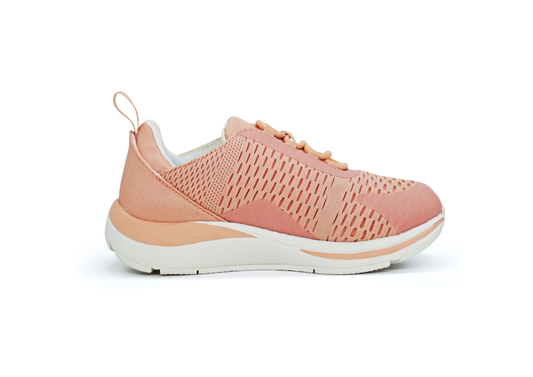
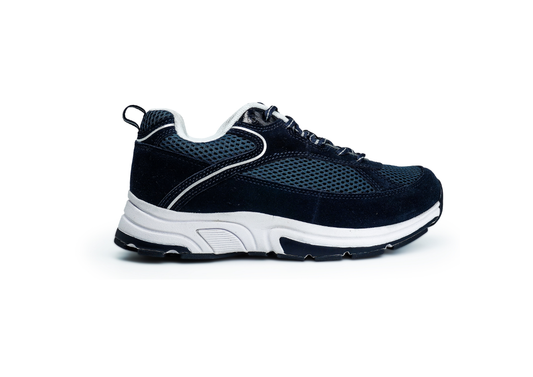
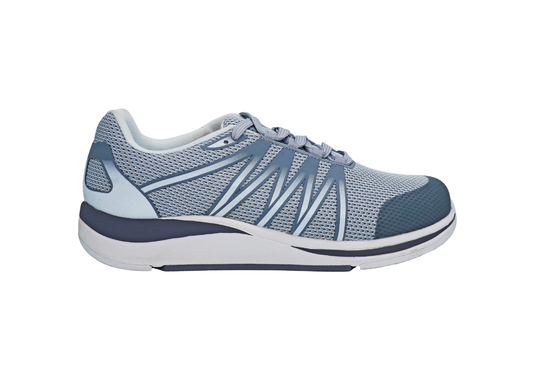
| Supportive Sneakers | Walking/Exercise | Provides maximum stability for arch support. |
Orthopedic Footwear Q&A for Pregnancy (India)
Q1. What makes orthopedic footwear different from regular slippers?
Orthopedic footwear focuses on alignment. Instead of only soft cushioning, it uses a contoured footbed and firmer arch support to reduce strain on the knees and lower back.
Q2. Are orthopedic maternity slippers safe?
Yes. Choose a low, wide base and a non-slip sole. Avoid narrow heels or overly flexible, flat chappals that offer no structure.
Q3. I have swelling. Can I still wear orthopedic styles?
Absolutely. Prioritize wide-fit orthopedic shoes with Velcro straps so you can loosen them as edema increases.
Q4. When should I see a doctor?
Seek medical advice for severe one-sided swelling, sudden swelling with headache, numbness, or persistent sharp heel pain.
Your Action Plan for Total Foot Comfort
You no longer need to accept aching arches as an unavoidable part of growing a baby. By treating your feet as the crucial foundation of your body, you can confidently select footwear that supports your shifting center of gravity.
Start your comfort plan by measuring your feet during peak afternoon swelling and prioritizing firm arch support. Upgrading flat house shoes to supportive pregnancy slippers is a simple step that brings immediate relief. Every step taken in properly fitted shoes is a vital investment in your daily energy and long-term joint health.
